The Lines We Keep: On the Strange and Beautiful Power of a Single Sentence
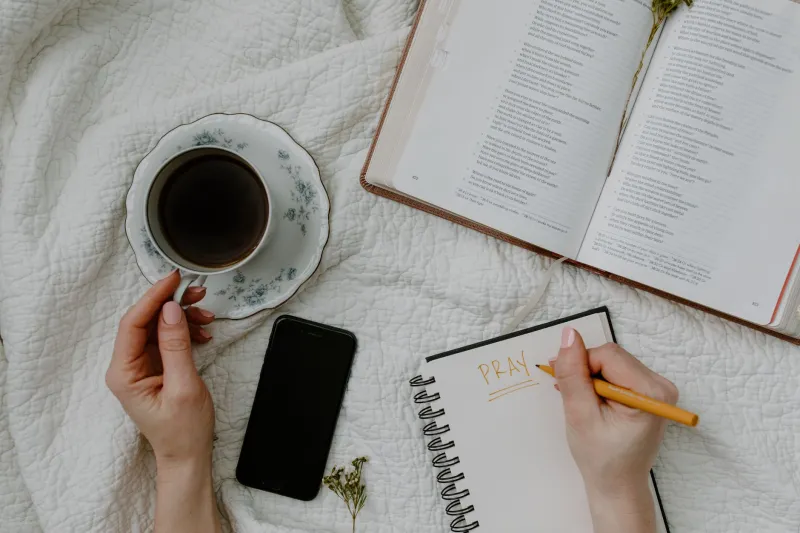
Somewhere between a notebook and a lifeline, a phone screenshot and a scrap of paper tucked into a coat pocket, British readers are quietly building their own private archives of words that matter. These aren't just favourite quotes — they're the sentences that showed up exactly when they were needed most.
The Moment a Sentence Finds You
It happens without warning. You're reading — on the bus, in bed, curled into a corner of the sofa on a grey afternoon — and suddenly a sentence stops you completely. Not because it's particularly ornate or literary. Sometimes because it's so simple. Sometimes because it says, in twelve words, the thing you have spent years trying to feel your way towards.
You read it again. And again. You fold the page, or underline it, or type it hurriedly into your phone before the feeling fades. You carry it with you.
This is one of the quietest and most profound things that reading does for us. Not the whole book, not the arc of a character's journey — just one sentence, arriving at the right moment, like a hand on the shoulder.
What We Mean When We Say 'It Saved Me'
The language people use when they talk about these collected lines is striking. They don't say the sentence was interesting, or well-crafted, or memorable. They say it got me through. They say it changed everything. They say — quite simply, quite seriously — that it saved them.
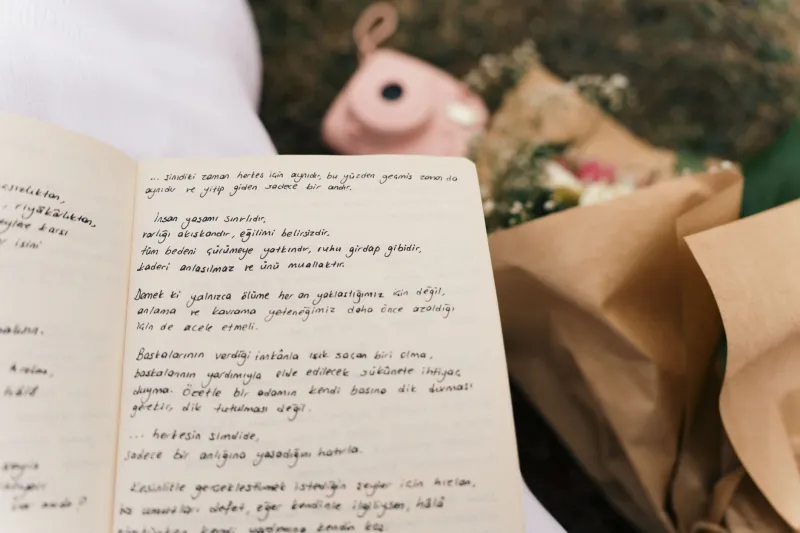
Natasha, a 38-year-old administrator from Manchester, keeps a battered A5 notebook she's been filling for nearly a decade. It started during a period of depression following her divorce. "I couldn't read properly — my concentration was shot," she says. "But I could read a sentence. And sometimes I'd find one that felt like it had been written specifically for me, at that specific moment. I'd write it down just to have proof that someone else had understood."
Her notebook now contains nearly 200 entries. She reads it on hard days. "It's like visiting old friends," she says. "Friends who always know the right thing to say."
The British Tradition of the Commonplace Book
This impulse — to collect and preserve words that matter — is far from new. For centuries, educated men and women in Britain kept what were called commonplace books: handwritten collections of quotations, passages, observations and ideas gathered from their reading. Samuel Johnson kept one. So did John Milton. The practice was considered not just acceptable but essential — a way of thinking through what you'd read and making it yours.
What's happening now, across kitchen tables and on phone screens and in notebooks from Paperchase and Poundland alike, is a kind of democratic revival of this tradition. No longer the preserve of scholars and gentlemen, the practice of collecting meaningful words has become something that belongs to everyone.
And the digital age has added new dimensions. Screenshots saved to a dedicated album. Notes apps filled with passages. A whole corner of Twitter — or X, as it's now less charmingly known — dedicated to people sharing the sentences that floored them. The impulse is the same. Only the paper has changed.
The Sentences That Sustain
Ask people to share the lines they return to, and what emerges is a picture of human experience in all its texture — grief and hope, confusion and clarity, the strange comfort of knowing that someone else has been exactly where you are.
Daniel, 45, from Birmingham, found his line in a novel he picked up almost by accident from a charity shop: "The world breaks everyone, and afterward, some are strong at the broken places." Hemingway. He read it three months after losing his mother. "I'd read it before, years ago, and it meant nothing in particular," he says. "But that time it was like the book knew. It felt like permission — to be broken, and also to be okay."
For Celia, a 62-year-old retired teacher from Bath, the line that has stayed with her longest came from a Mary Oliver poem: "Tell me, what is it you plan to do with your one wild and precious life?" She first encountered it in her forties, at a point when she was wondering whether her life was still hers to shape. "I wrote it on a Post-it note and stuck it to my bathroom mirror for three years," she says. "It felt like a gentle challenge. Not aggressive — just... curious. What are you going to do?"
Rohan, 29, a junior doctor from Leeds, turns to a line from Rainer Maria Rilke during the worst shifts: "Perhaps all the dragons in our lives are princesses who are only waiting to see us act, just once, with beauty and courage." He admits it sounds fanciful. "But medicine is full of things that feel like dragons," he says. "And that sentence reminds me that courage is the point."
Why One Sentence Can Do What a Whole Book Cannot
There's a reason we don't always remember plots, but we remember lines. A sentence is distilled. It has nowhere to hide. In the space of a breath, it either means something or it doesn't — and when it does, the impact is immediate and physical. Readers describe a tightening in the chest, a sudden pricking of tears, the odd sensation of being both seen and expanded.
This is language doing its deepest work. Not explaining or entertaining, but touching something that was already there — giving shape to a feeling that had no words, or confirming a truth that felt too fragile to trust alone.
Starting Your Own Archive
You don't need a beautiful notebook or a system. You don't need to be a literary person, whatever that means. You just need to notice when a sentence stops you — and to catch it before it slips away.
Write it down. Screenshot it. Scribble it on the back of an envelope and tuck it in your coat. Return to it when you need to. Share it with someone who might need it too.
These small acts of collection are, in their quiet way, acts of faith — faith that words matter, that someone else's understanding of life can illuminate your own, that the right sentence, found at the right moment, really can change the shape of a day.
Sometimes that's everything.