One Sentence, One Sunday: The Small British Ritual Making Monday Feel Possible
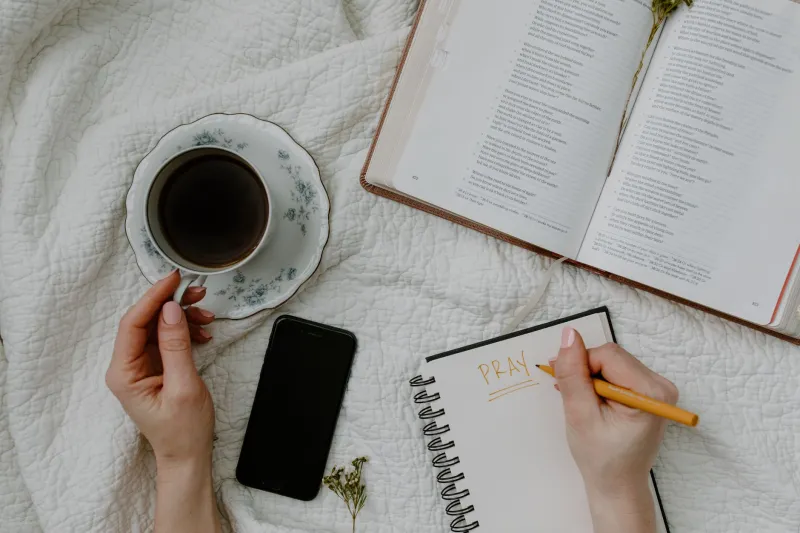
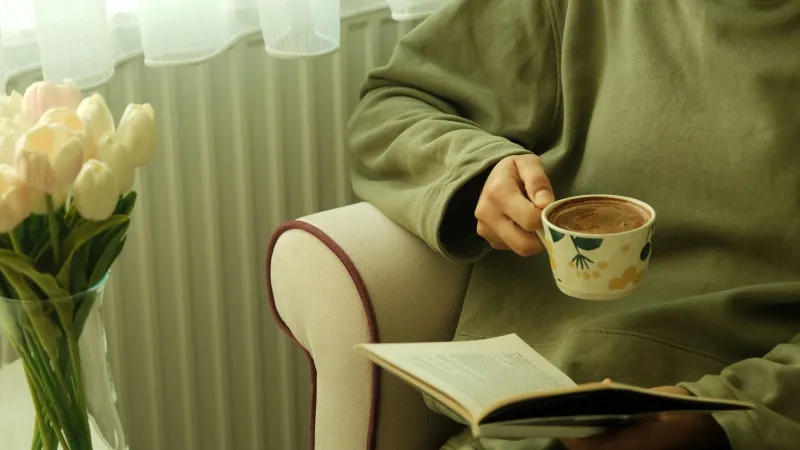
There's a particular quality to Sunday mornings in Britain that doesn't quite exist anywhere else. The slower pace, the smell of toast, the peculiar mix of rest and low-level dread that creeps in as the afternoon approaches. For many of us, Sunday is where the week gets quietly dreaded before it's even begun.
But across the country, a gentle counter-movement is taking root — one that requires no special equipment, no subscription, and no more than about thirty seconds of your time. It involves a single sentence. And it might just change your Sundays entirely.
What Is a Sunday Sentence?
The concept is disarmingly simple. Each Sunday, members of a group — whether that's a WhatsApp chat, a community gathering, a church hall circle, or an online forum — share one sentence that has moved, inspired, or simply stayed with them. It might be a line from a novel they finished that week. A fragment of poetry they've carried for years. A sentence they wrote themselves in a moment of clarity. Or something overheard, remembered, or dreamed.
No explanation required. No literary credentials needed. Just the sentence, offered openly, like a small gift passed around a table.
The practice has been spreading organically through British communities for the past few years, though nobody seems entirely sure where it started. Some groups trace it back to a book club that ran out of time for discussion but didn't want to end the meeting without sharing something. Others say it grew from a mindfulness workshop, or a church group looking for a more accessible form of reflection. It doesn't much matter. What matters is that it works.
The Psychology of the Single Line
There's a reason one sentence can carry such weight, and it's not mystical — it's neurological. Dr. Cara Mendez, a psychologist based in Bristol who has written about the relationship between language and wellbeing, explains it this way: "When we encounter a sentence that resonates deeply, our brain treats it almost like a small emotional event. It creates a moment of pause, of recognition. And that pause — that tiny interruption in the noise — can genuinely recalibrate how we're feeling."
The act of choosing a sentence, she adds, has its own value. "You have to pay attention to your reading, your listening, your inner life, to find a sentence worth sharing. That attentiveness is itself a form of mindfulness practice."
For many Sunday Sentence participants, the ritual has become a kind of weekly anchor — a small but reliable point of beauty in a week that can otherwise feel relentlessly functional.
From Derbyshire to Dundee: The People Behind the Practice
In a village outside Bakewell, a group of eight women who met through a walking club began sharing Sunday Sentences by text about eighteen months ago. "It started because one of us sent a line from a Mary Oliver poem on a Sunday morning — just out of nowhere," recalls group member Janet Holt, 61. "And the response was so lovely that we just kept doing it." The group now has its own dedicated thread, and several members say it's become the message they most look forward to each week.
In Glasgow, a community centre that runs courses for adults returning to education has incorporated Sunday Sentences into its Friday afternoon sessions — participants choose their sentence over the weekend and share it on Monday morning as a way of beginning the week with intention. Facilitator Donna McAllister describes the impact as "quietly transformative. People who've never thought of themselves as literary at all are suddenly engaged with language in this very personal, very meaningful way."
In Lewes, a small independent bookshop posts its Sunday Sentence in the window each week — a single line written by hand on a piece of card, changed every Sunday morning. Passers-by have started photographing it and sharing it online. The bookseller, a softly spoken man named Patrick, says he chooses each sentence with enormous care. "I think about what the town might need that week," he says. "Sometimes it's something funny. Sometimes it's something that acknowledges difficulty. Sometimes it's just something beautiful for its own sake."
What Makes a Good Sunday Sentence?
Ask ten participants and you'll get ten different answers, which is rather the point. But a few themes recur. The best Sunday Sentences tend to open something rather than close it — they suggest rather than declare, invite rather than instruct. They leave a little space for the reader to bring their own meaning.
Some favourites shared by groups across Britain:
"Tell me, what is it you plan to do with your one wild and precious life?" — Mary Oliver
"We shall not cease from exploration." — T.S. Eliot
"She was not fragile like a flower; she was fragile like a bomb." — F. Scott Fitzgerald (a firm favourite in several groups for its quietly subversive energy)
"The world is full of magical things, patiently waiting for our senses to grow sharper." — W.B. Yeats
And then there are the sentences people write themselves — often the most quietly powerful of all. One participant from Cardiff shared this, written in her own journal on a particularly difficult week: "I am still here, and that is enough for today." She says the response from her group moved her to tears.
Why One Sentence Is Enough
In a world that constantly asks more of us — more productivity, more content, more engagement — there is something almost radical about a practice that asks only for one sentence. Not a paragraph. Not an essay. Not a perfectly curated feed of literary insight. Just one line, offered with sincerity.
"I think people are exhausted by the pressure to have opinions about everything," says Donna McAllister. "The Sunday Sentence asks nothing more than: what stayed with you this week? What felt true? It's a very low bar, and that's its genius."
For many participants, the practice has quietly bled into the rest of the week. They find themselves reading with greater attention, listening more carefully, noticing language in ways they hadn't before. They become, almost without realising it, collectors of beauty.
Starting Your Own
You don't need to join anything formal to begin. A single WhatsApp message to a friend on Sunday morning. A handwritten line on a Post-it note left on the kitchen table. A quiet moment to ask yourself: what sentence do I want to carry into this week?
The practice requires nothing but willingness. And in return, it offers something that's harder to come by than it should be: a moment of genuine, unhurried attention to the words that make us human.
One sentence. One Sunday. That's all it takes.