Dog-Ears, Doodles and Dropped Novels: Britain's Readers Are Finally Making Peace with Their Messy Bookshelves
Something quietly radical is happening in British sitting rooms, on commuter trains, and in the margins of well-loved paperbacks. Readers across the UK are shedding the guilt of unfinished novels and embracing a more joyful, imperfect relationship with books. And honestly? It looks like the most liberating thing they've ever done.
The Weight of the Unfinished Pile
If you've ever felt a low hum of shame every time you glance at the stack of half-read books on your bedside table, you're in very good company. There's an unspoken pressure in reading culture — a kind of literary perfectionism that insists every book must be finished, every page respected, every spine kept pristine. Goodreads challenges, Instagram shelfies, reading goals announced in January with the best of intentions — all of it quietly stacks up into something that starts to feel less like pleasure and more like homework.
Priya, a 34-year-old teacher from Leicester, knows this feeling intimately. "I'd spend the last twenty pages of a book I'd stopped enjoying months ago just grinding through it, like it was a moral obligation," she says. "Then one day I just... put it down. And the relief was enormous. It felt like taking off shoes that had been too tight all day."
She hasn't looked back. Her reading life, she says, is unrecognisable — and entirely more joyful.
What the Guilt Was Really About
Psychologists who work with reading habits and creative wellbeing point out that literary guilt is rarely actually about books. It's about perfectionism more broadly — the same force that makes us feel bad for leaving a film halfway through, or abandoning a hobby that stopped feeling fun. We live in a culture that celebrates completion, productivity, and measurable achievement. Books, somehow, got swept up in all of that.
"Reading became another thing to optimise," says Marcus, a retired librarian from Norwich who now runs informal reading workshops for older adults. "People were tracking books like steps on a Fitbit. But reading isn't exercise. It's nourishment. And you don't force yourself to eat when you're not hungry."
His workshops actively encourage participants to abandon books that aren't working for them — and the response, he says, is almost always one of startled relief.
The Dog-Ear Debate: A Symbol of Something Bigger
Ask any group of British readers about dog-earing pages and you'll start a debate that reveals far more than preferences about bookmarks. For some, folding a corner feels like vandalism. For others, it's an act of intimacy — a physical record of where you were, what you were thinking, how that particular Tuesday evening felt when you reached page 147.
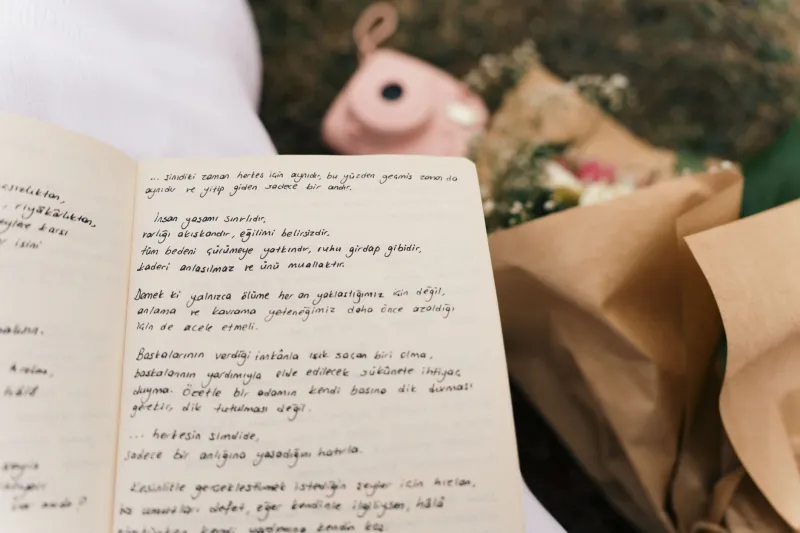
Sarah, a 28-year-old graphic designer from Glasgow, has taken this further. Her books are covered in pencil notes, little stars, the occasional exclamation mark in the margins. "My mum was horrified the first time she saw one of my books," she laughs. "But those marks are mine. They're a conversation I'm having with the author. Why would I want to read in silence?"
The margin annotation movement — if it can be called that — has been quietly gaining momentum across Britain. People are realising that a marked-up book isn't a damaged book. It's a lived-in one.
Abandoning Books Without Apology
Perhaps the most radical act of all is simply giving yourself permission to stop. To close a book on page 60, slide it back onto the shelf, and feel absolutely fine about it.
Jamie, a 41-year-old nurse from Cardiff, describes a turning point during a particularly exhausting stretch at work. "I was dragging myself through this literary novel everyone said was brilliant, and one night I just thought — I am tired. I need comfort, not challenge. So I picked up a cosy mystery instead, and it saved me that week."
This is something that mental health professionals increasingly recognise: forcing yourself through emotionally demanding material during difficult periods can actually work against your wellbeing. Reading is, at its best, a deeply personal act of self-care. And self-care means reading what you actually need, not what you think you should need.
The Joy of Reading 'Wrong'
What does reading imperfectly actually look like? It looks like skipping to the end because the suspense is genuinely unbearable. It looks like reading the same beloved novel for the fifth time instead of tackling something new. It looks like spending an entire month on one short poetry collection, reading a single poem a day and sitting with it.
It looks like reading three books simultaneously and finishing none of them on any particular schedule. It looks like buying a book, reading the first chapter, and deciding it's not for you — without guilt, without justification.
Priya now keeps what she calls a 'liberation shelf' — a small collection of books she started and chose not to finish. "I don't see them as failures," she says. "I see them as evidence that I know myself better than I used to."
Finding Your Own Reading Rhythm
The shift happening across Britain isn't anti-reading. It's deeply, enthusiastically pro-reading — just on readers' own terms. People are rediscovering the pleasure of books when they stop treating them as tasks to tick off and start treating them as companions to choose freely.
Marcus puts it simply: "The best reading life isn't the one with the most books finished. It's the one where you actually enjoyed turning the pages."
So go ahead. Dog-ear that page. Scribble in the margins. Abandon the novel that's been making you miserable since February. Your reading life is yours — messy, imperfect, and entirely wonderful.