Voices in the Firelight: How Britain's Storytelling Revival Is Weaving Magic Back Into Our Communities
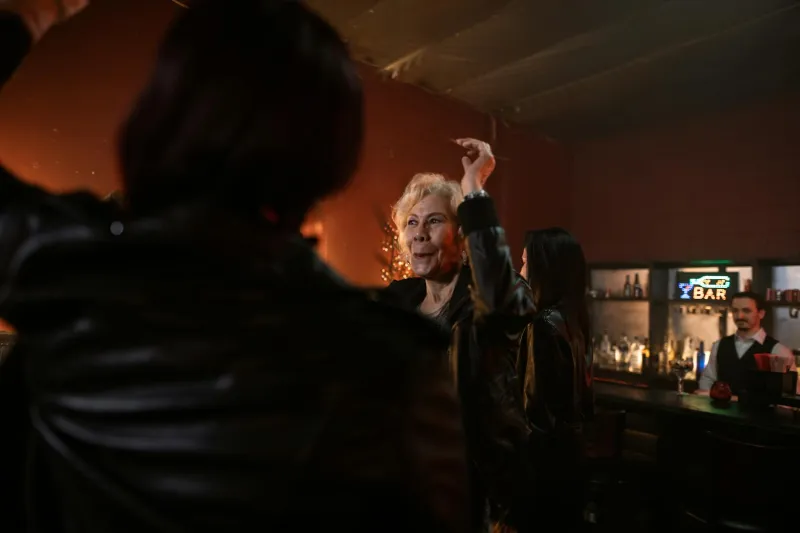
The Ancient Art Finds New Life
In a dimly lit corner of The Red Lion pub in Gloucestershire, Sarah Mitchell clears her throat and begins to weave a tale that has her audience utterly spellbound. No book in sight, no script to follow—just her voice, her gestures, and a story that seems to dance between her words and the flickering candlelight.
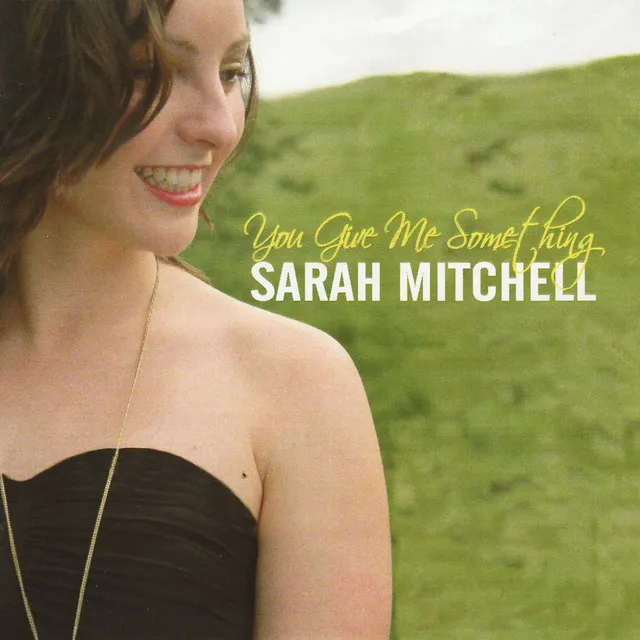 Photo: Sarah Mitchell, via i.scdn.co
 Photo: The Red Lion, via cdn5.vectorstock.com
Sarah is part of a remarkable renaissance happening across Britain: the return of oral storytelling. What began as a handful of enthusiasts gathering in village halls has blossomed into a movement that's breathing new life into our communities, one story at a time.
"There's something absolutely magical about the human voice carrying a story," Sarah explains, her eyes still bright from the evening's performance. "When I'm reading a book, it's just me and the pages. But when I'm telling a story, I'm creating something alive with my audience. We're all part of it together."
From Ancient Firesides to Modern Gatherings
Long before Netflix and novels, our ancestors gathered around fires to share tales that taught, entertained, and bound communities together. This tradition, which seemed destined for the history books, is experiencing an extraordinary revival across Britain.
In Birmingham, retired teacher James Crawford hosts monthly "Story Circles" at the local community centre. What started with just three attendees has grown to a regular gathering of over forty people, ranging from teenagers to pensioners.
"I never expected it to grow like this," James admits, arranging chairs in a circle before the evening's session. "But people are hungry for genuine human connection. When someone tells you a story—really tells it, with their whole being—it touches something deep inside us that screens simply can't reach."
The Magic of the Spoken Word
Dr. Emma Thompson (not the actress, but a linguistics professor at Manchester University) has been studying this storytelling revival with fascination. Her research reveals something profound about why these gatherings are striking such a chord.
"When we hear a story told aloud, our brains respond differently than when we read," she explains. "The storyteller's voice, their pauses, their emphasis—it all adds layers of meaning that transform the experience. Plus, there's the communal aspect. You're not just receiving a story; you're part of a shared emotional journey."
This communal magic is evident at every gathering. In Edinburgh, the "Tales by Twilight" group meets in Princes Street Gardens, where storyteller Margaret MacLeod has watched shy newcomers transform into confident contributors over just a few sessions.
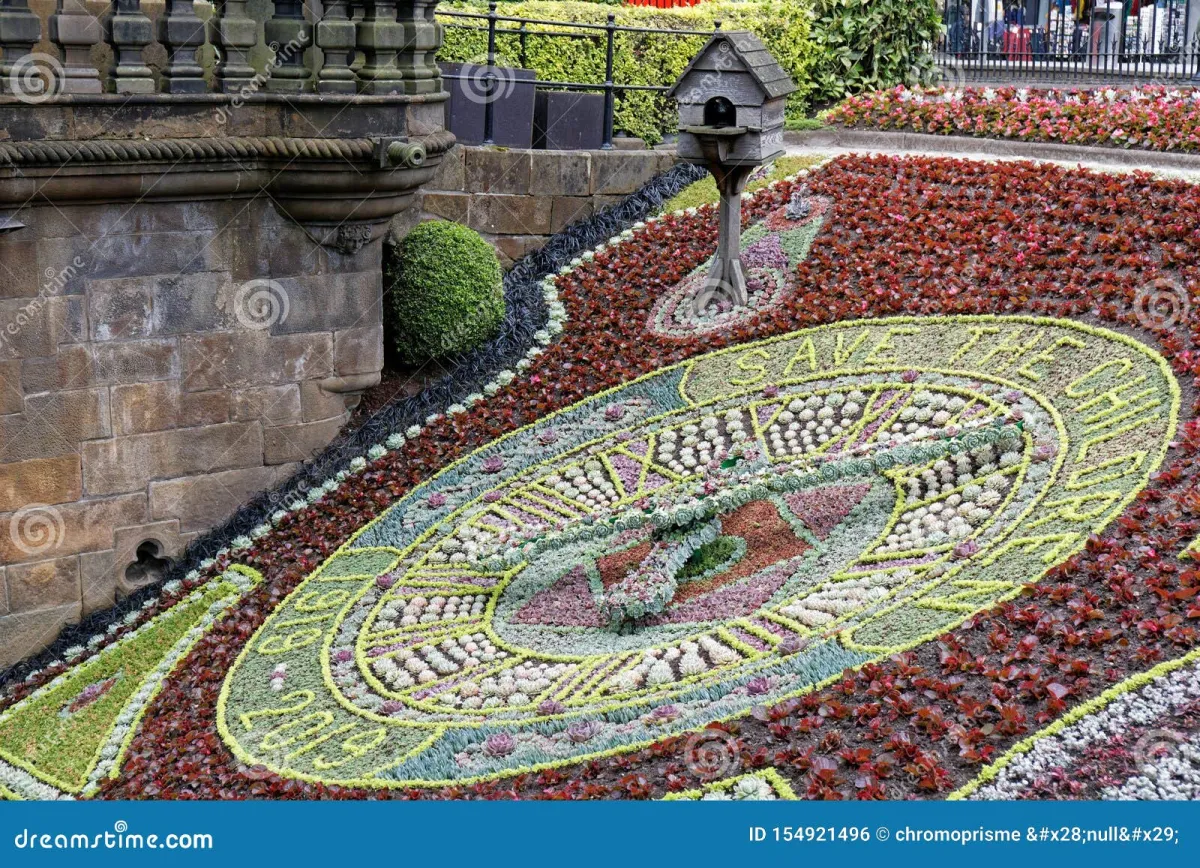 Photo: Princes Street Gardens, via thumbs.dreamstime.com
"I've seen people who barely spoke when they first arrived become the most captivating storytellers," Margaret observes. "There's something about this ancient art that unlocks parts of ourselves we didn't know existed."
Stories That Heal and Inspire
The impact of these gatherings extends far beyond entertainment. In Manchester, support worker David Chen uses storytelling sessions to help young people process difficult experiences.
"When someone shares their story out loud, in their own words, it becomes something they own rather than something that owns them," David explains. "And when others listen with genuine attention and respect, it creates a healing that's quite remarkable to witness."
Meanwhile, in rural Wales, the "Hearth and Heart" storytelling group has become a lifeline for isolated community members. Organiser Bronwen Davies started the monthly gatherings after noticing how many neighbours rarely had meaningful conversations.
"Our first meeting, we had six people and more tea than we knew what to do with," Bronwen laughs. "Now we regularly have thirty people, and the waiting list for storytellers stretches months ahead. People are desperate to share their stories and to be truly heard."
The Everyday Becomes Extraordinary
What's particularly beautiful about this movement is how it celebrates ordinary experiences. Unlike published literature, these spoken stories often focus on everyday moments that become profound in the telling.
In Liverpool, dock worker Tony Harrison discovered he had a gift for transforming mundane work experiences into hilarious, touching tales that leave audiences in stitches and tears.
"I never thought my stories mattered," Tony reflects. "But when I see people's faces light up, when they come up afterwards and say my story reminded them of their own dad or their first job—that's when I realise we all have stories worth telling."
A Future Written in Voices
As this movement grows, it's creating ripple effects throughout communities. Libraries are hosting storytelling workshops, schools are inviting local storytellers to inspire young writers, and even corporate team-building events are discovering the power of shared narrative.
The British Storytelling Society, once a small organisation of folklore enthusiasts, has seen membership triple in the past five years. Chair Patricia Williams believes this growth reflects a deeper cultural shift.
"We're moving away from passive consumption towards active participation," she explains. "People want to be creators, not just consumers. Storytelling gives everyone the power to be an artist, regardless of their background or education."
Finding Your Voice
For those inspired to join this revival, the barrier to entry couldn't be lower. Most groups welcome newcomers warmly, offering supportive environments for first-time storytellers.
"Start with something that matters to you," advises Sarah Mitchell. "It doesn't have to be dramatic or perfect. The most powerful stories are often the simplest ones, told with genuine feeling."
As evening settles over The Red Lion and Sarah prepares for her next tale, the faces around her glow with anticipation. In an age of digital isolation, these storytellers are proving that the oldest technology of all—the human voice carrying a story from heart to heart—remains the most powerful way to connect, inspire, and transform our communities.
The flames may have given way to electric lights, but the magic remains unchanged. In village halls and pub corners across Britain, storytellers are keeping the most ancient of arts alive, one voice, one story, one listener at a time.