Beyond the Last Postbox: The Literary Lifelines Reaching Britain's Forgotten Corners
The Road Less Travelled
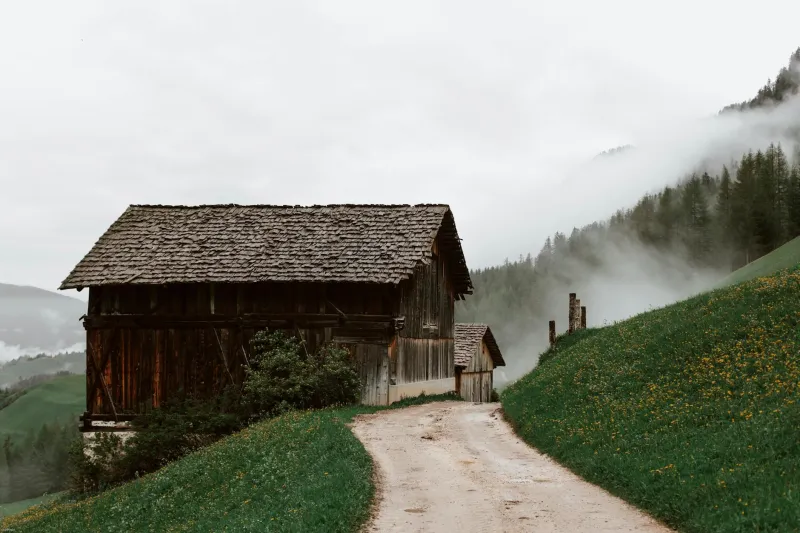
The satnav gave up twenty minutes ago, but volunteer reader Helen MacLeod knows these Highland roads by heart. Her ancient Land Rover winds through mist-shrouded glens towards a stone cottage where 89-year-old Morag Campbell waits with the kettle on. In the boot: a carefully curated selection of audiobooks, large-print novels, and this week's particular treasure—a collection of Gaelic poetry that Helen knows will make Morag's eyes light up.
This isn't just book delivery; it's a lifeline that stretches across some of Britain's most challenging terrain to reach people who might otherwise spend weeks without meaningful human contact.
The Invisible Network
Across Britain's most isolated communities—from Orkney crofts to Welsh mountain farms, from Dartmoor smallholdings to Peak District hamlets—an extraordinary network of literary volunteers operates largely unseen by the outside world. These modern-day heroes travel hundreds of miles each month, their vehicles loaded with stories and their hearts full of purpose.
The statistics tell only part of the story: over 2,000 volunteers currently serve communities where the nearest library might be 30 miles away, and the nearest bookshop even further. But behind these numbers lie relationships that have sustained isolated residents through long winters, family losses, and the particular challenges of living on the geographical margins.
More Than Just Books
In a remote Pembrokeshire valley, retired teacher David Williams has been visiting sheep farmer Gwyneth Evans every fortnight for three years. What began as a simple book exchange has evolved into something far richer. "Gwyneth has introduced me to farming memoirs I'd never have discovered," David explains, "and I've opened her world to travel writing that takes her places she's always dreamed of seeing."
Their conversations weave together literature and life, books and farming wisdom, creating a friendship that transcends their different backgrounds. "When the snow came last February and I couldn't get out for ten days," Gwyneth recalls, "I had David's books for company. But more than that, I knew he'd be back as soon as the roads cleared."
The Digital Paradox
In an age of instant digital connectivity, these volunteers understand something profound: human connection cannot be downloaded. While video calls and social media promise to bridge distances, there's something irreplaceable about someone making a physical journey to share stories face-to-face.
Volunteer coordinator Janet Morrison, who oversees the Highland Reading Network, puts it simply: "When someone drives forty miles of single-track road to bring you a book they've personally chosen, that's not just service—that's love made visible."
Portraits of Connection
In the Shetland Islands, librarian-turned-volunteer Magnus Sinclair has developed an almost mystical ability to match readers with exactly the right book at the right moment. His monthly visits to the outer isles have become legendary among residents. "Magnus once brought me a novel about Arctic exploration just as I was struggling with my father's dementia diagnosis," shares island resident Flora Peterson. "The main character's determination to keep going despite impossible conditions—that story gave me strength I didn't know I had."
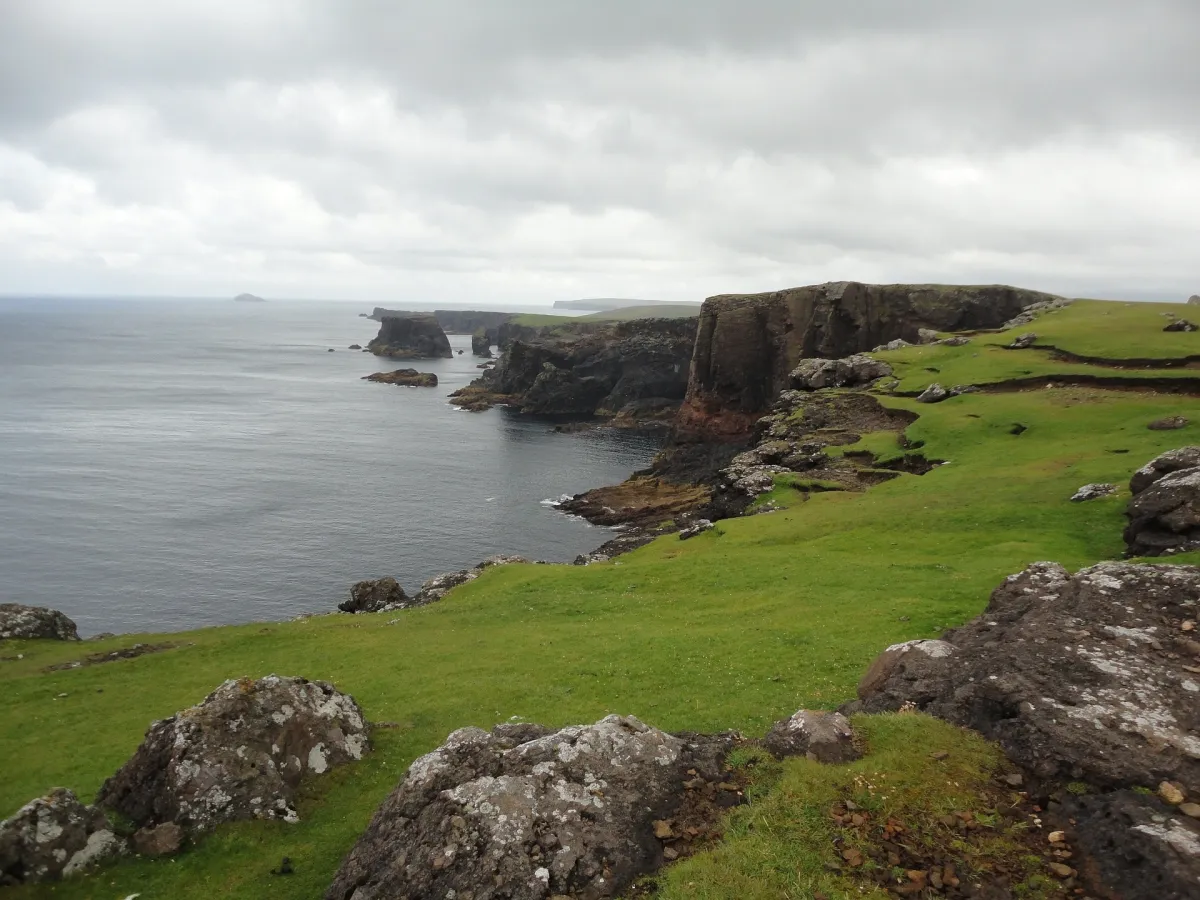 Photo: Shetland Islands, via www.wowscotlandtours.com
Meanwhile, in the Yorkshire Dales, former postal worker Eric Thompson has transformed his retirement into a mission of literary mercy. His converted van, affectionately dubbed "The Book Bus," is a familiar sight on narrow fell roads. Inside, carefully organised shelves hold everything from romance novels to farming manuals, children's picture books to philosophy texts.
"I spent thirty years delivering bills and junk mail," Eric laughs. "Now I deliver dreams."
The Ripple Effect
These individual connections create unexpected ripples. Book groups have formed in village halls that hadn't seen regular gatherings for years. Isolated readers have begun writing their own stories, inspired by the novels that arrive at their doors. Some have even become volunteers themselves, extending the network further into forgotten corners.
In the Scottish Borders, what began as one volunteer serving five remote farms has grown into a network of twelve volunteers reaching over sixty households. The secret, explains network founder Sarah Bell, is understanding that "every isolated reader is a potential reading ambassador."
Weather, Terrain, and Determination
These volunteers face challenges that would deter less determined souls. Snow-blocked roads, flooding, mechanical breakdowns, and the simple tyranny of distance are constant companions. Yet their stories are filled not with complaint but with ingenuity and humour.
Volunteer reader Patricia Hayes recalls getting snowed in at an elderly gentleman's cottage in Snowdonia: "We spent two days reading Dickens aloud to each other. He did all the character voices—absolutely brilliant. When the snow plough finally came, neither of us wanted me to leave."
A National Treasure
These volunteers represent something quintessentially British: the quiet determination to ensure no one is left behind, the understanding that literature is not a luxury but a necessity, and the belief that distance should never mean disconnection from the wider world of stories.
As Helen MacLeod pulls up to Morag Campbell's cottage, the sight of a figure at the window confirms what she already knows—she's not just delivering books; she's delivering hope, connection, and the powerful message that someone, somewhere, believes every person deserves access to the transformative magic of a good story.
In our increasingly connected yet often isolating world, these literary lifelines remind us that the most profound connections are still made one story, one journey, and one caring human heart at a time.