Tales from the Tarmac: How Britain's Motorway Services Have Become Unexpected Sanctuaries for Stories
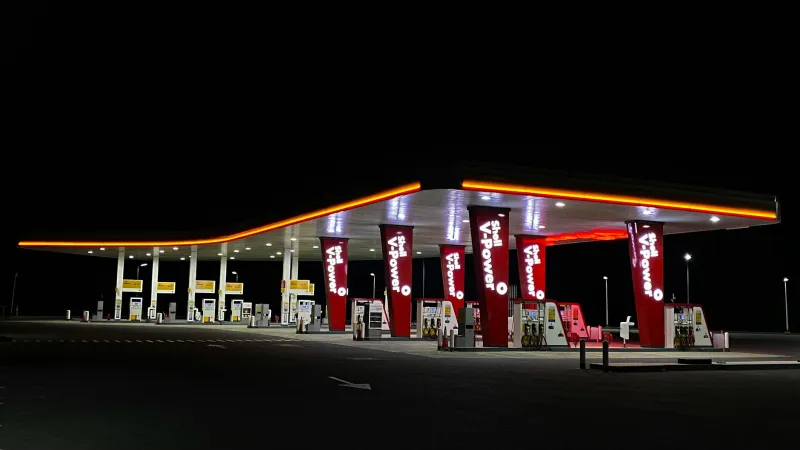
Where Journeys and Stories Intersect
At 2:47 AM on the M6, Tebay Services hums with the quiet energy of night travellers. Lorry drivers grab coffee, families stretch their legs, and in a corner near the local produce shop, something rather extraordinary is taking place. A weathered paperback copy of The Hitchhiker's Guide to the Galaxy sits on a communal table, accompanied by a handwritten sign: "Take a book, leave a book. Every journey deserves a good story."
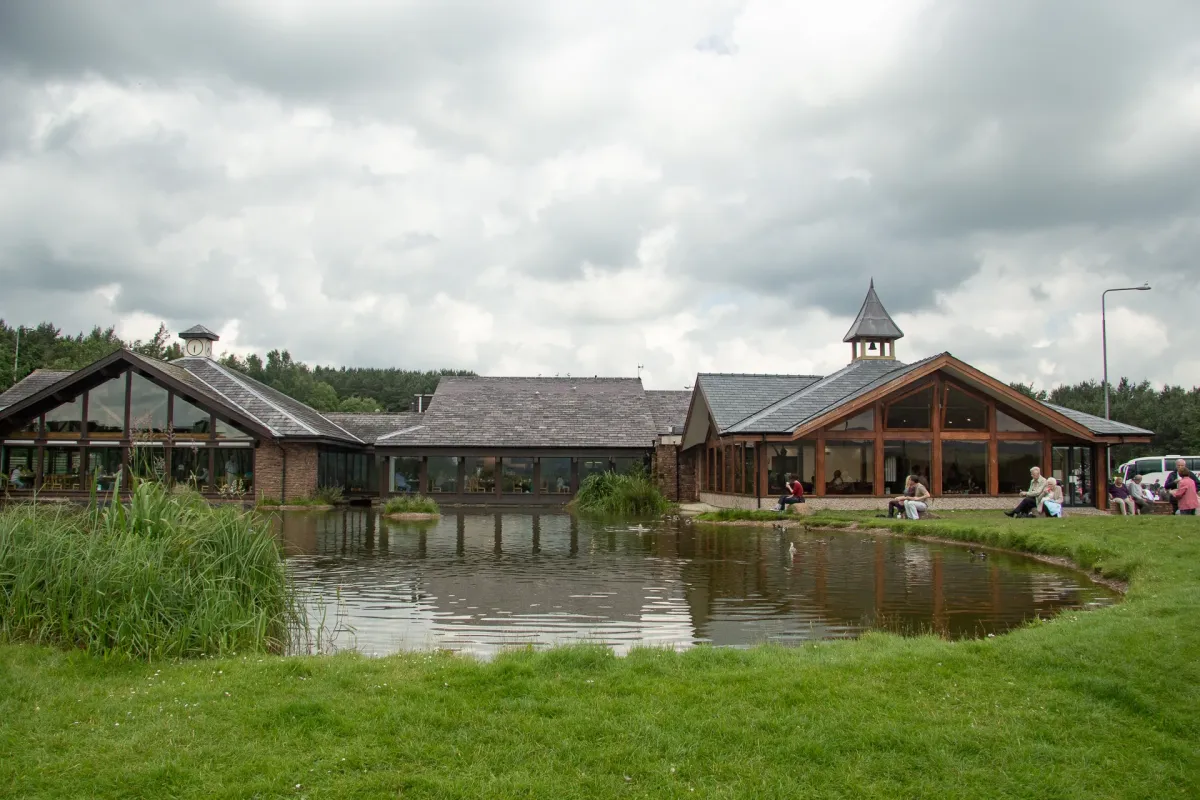 Photo: Tebay Services, via www.fwpgroup.co.uk
This isn't an official initiative—it's the organic creation of travellers who've discovered that Britain's motorway services, those utilitarian pit stops we all love to complain about, are becoming unexpected havens for literary serendipity.
"I never thought I'd say this about a service station," laughs Sarah Chen, a sales representative who regularly drives between Manchester and Edinburgh, "but Tebay has become one of my favourite places to discover new books. There's something magical about finding a story in the middle of nowhere, at 3 AM, when you're feeling utterly alone on the road."
The Accidental Literary Revolution
Nobody planned for Britain's motorway services to become literary hubs, but that's exactly what's happening. From the M25's Cobham Services to the A1's Wetherby, informal book exchanges, reading corners, and storytelling circles are sprouting up like wildflowers through concrete.
The phenomenon began, according to several accounts, with lorry drivers. Professional drivers, spending long hours on the road, have always been voracious readers during their mandatory rest periods. What's new is how they've begun sharing their literary discoveries with fellow travellers.
"I started leaving books I'd finished in the driver's lounge at Leicester Forest East about five years ago," explains Derek Morrison, who's been driving for three decades. "Just thought someone else might enjoy them. Then I started finding books others had left. Before we knew it, we had this whole informal library going."
The Community That Fuel Stops Built
What makes these service station literary communities special isn't just the books—it's the people. Regular travellers have begun to recognise each other, creating loose networks of acquaintances bound by their shared love of stories and the peculiar intimacy of the British road network.
At Welcome Break's Oxford Services, night manager Patricia Williams has watched this community develop with fascination. "We have regulars who time their journeys specifically to meet up here," she reveals. "There's a group of sales reps who call themselves 'The Wednesday Warriors'—they coordinate their routes so they're all here on Wednesday evenings. They share books, discuss what they're reading, sometimes even read aloud to each other."
The reading material itself tells a story of Britain's diverse travelling public. Romance novels sit beside technical manuals, poetry collections nestle against thriller series, and children's books wait patiently for the next family road trip.
Midnight Storytellers and Dawn Readers
Perhaps the most enchanting development is the emergence of impromptu storytelling sessions. At Gordano Services on the M5, a retired teacher named Malcolm Fletcher began telling stories to restless children during family travel delays. Word spread, and now his Thursday evening "Tales at Twilight" sessions draw families who plan their journeys around his storytelling schedule.
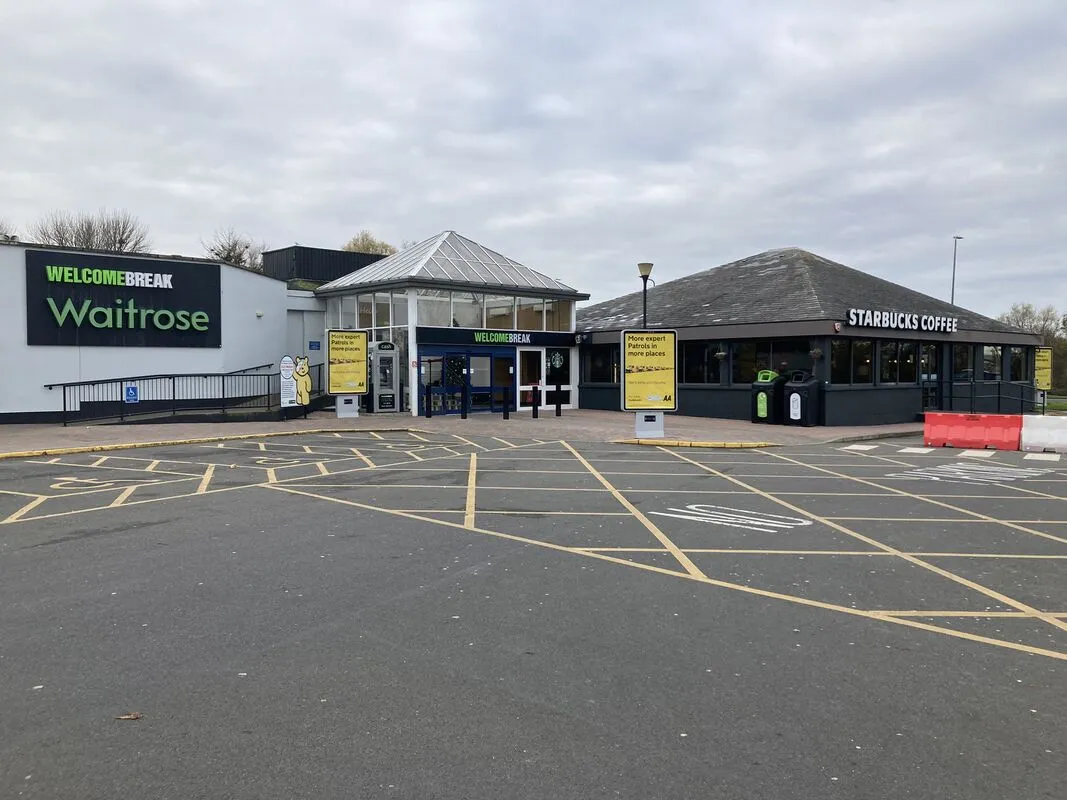 Photo: Gordano Services, via motorwayservices.uk
"I never expected to find my retirement calling at a motorway service station," Malcolm chuckles, setting up his portable chair and collection of well-loved story books. "But there's something beautiful about sharing stories with people you'll probably never see again. It's pure, uncomplicated joy."
The phenomenon isn't limited to organised events. Service station staff report regularly finding groups of strangers who've bonded over shared books, discussing plot twists over Costa Coffee or debating character motivations while queuing for fuel.
The Psychology of Transient Connection
Dr. Emma Richardson, who studies community psychology at Bath University, finds the service station book phenomenon fascinating from an academic perspective.
 Photo: Bath University, via socratesarchitects.com
"These spaces exist in a unique psychological zone," she explains. "People are literally between destinations, often feeling disconnected from their normal social networks. Books become a way to connect with both stories and strangers in a low-pressure environment. There's something about the temporary nature of these encounters that makes people more open to new experiences."
This openness is evident in the stories travellers share. At Watford Gap—once dubbed the gateway between North and South England—a visitor's book has evolved into a literary journal where travellers record book recommendations, reading experiences, and sometimes entire short stories inspired by their journeys.
From Bestsellers to Hidden Gems
The books that circulate through these informal networks offer a fascinating snapshot of Britain's reading habits. Popular fiction dominates, but service station libraries also reveal surprising literary depths.
"I've discovered some of my favourite authors through service station book swaps," admits Emma Hartley, a consultant who travels extensively for work. "Last month at Leigh Delamere, I found a collection of Ursula K. Le Guin short stories. I'd never read her before, but someone had left a note inside saying, 'These stories changed how I see the world.' They were right."
These personal recommendations, often written on scraps of paper tucked inside book covers, add a human dimension that online algorithms can't replicate. Readers share not just titles, but why books mattered to them, creating chains of literary connection across the country.
The Families Finding Magic
For families, service station book discoveries have become treasured travel traditions. The Thompson family from Liverpool plans their holiday routes around services with good book exchanges, turning necessary stops into literary treasure hunts.
"Our kids now get more excited about the book they might find at services than the destination itself," laughs mother Kate Thompson. "Last summer, our daughter found a signed copy of a David Walliams book at Birch Services. She was convinced it was meant for her, and honestly, who are we to argue with literary destiny?"
These family discoveries often spark car-journey reading sessions that transform tedious travel time into shared storytelling experiences.
The Staff Who Make It Happen
Behind many successful service station book communities are staff members who've embraced their unofficial roles as literary custodians. At Southwaite Services on the M6, duty manager James Patterson ("No relation to the author, unfortunately") has created an informal reading corner complete with comfortable chairs and good lighting.
"Corporate doesn't know about it officially," he admits with a grin, "but they've never complained. Happy customers are good customers, and I've never seen anyone happier than someone who's just discovered their next favourite book in the most unexpected place."
Digital Connections in Analogue Spaces
Interestingly, these physical book exchanges have sparked digital communities. WhatsApp groups coordinate book drops, Facebook pages share photos of interesting finds, and Twitter threads document literary journeys across Britain's road network.
The hashtag #ServiceStationReads has gained traction among travelling book lovers, creating a virtual community that enhances rather than replaces the physical experience of discovering books on the road.
A Literary Future on the Motorway
As this movement grows, some service stations are beginning to formally acknowledge what their customers have created. Tebay Services, always proud of their local distinctiveness, has introduced official book exchange shelves. Others are considering similar initiatives.
"We're not trying to turn service stations into libraries," explains industry consultant Robert Davies, "but we're recognising that travel is about more than fuel and food. People want experiences, connections, moments of unexpected joy. Books provide all of that."
The Journey Continues
As Britain's road network continues to carry millions of travellers each year, these accidental literary communities represent something profoundly hopeful about human nature. In spaces designed for efficiency and speed, people are creating moments of connection and discovery.
Derek Morrison, the lorry driver whose abandoned books helped start this movement, reflects on its growth with wonder: "I just wanted to share a good story with someone else who might need it. Five years later, there are book exchanges at half the services on my regular routes. It proves that people are hungry for stories, for connection, for something real."
So the next time you find yourself at a British motorway service station—whether it's 3 AM on the M1 or Sunday afternoon on the M40—take a moment to look around. You might just discover that your next great read is waiting for you between the coffee shop and the car park, placed there by a fellow traveller who believed that every journey deserves a good story.
After all, the best destinations aren't always the ones we plan for.