Slow Roads, Big Feelings: Why Britain's B-Road Wanderers Are Finding the Best Stories Off the Beaten Track
Slow Roads, Big Feelings: Why Britain's B-Road Wanderers Are Finding the Best Stories Off the Beaten Track
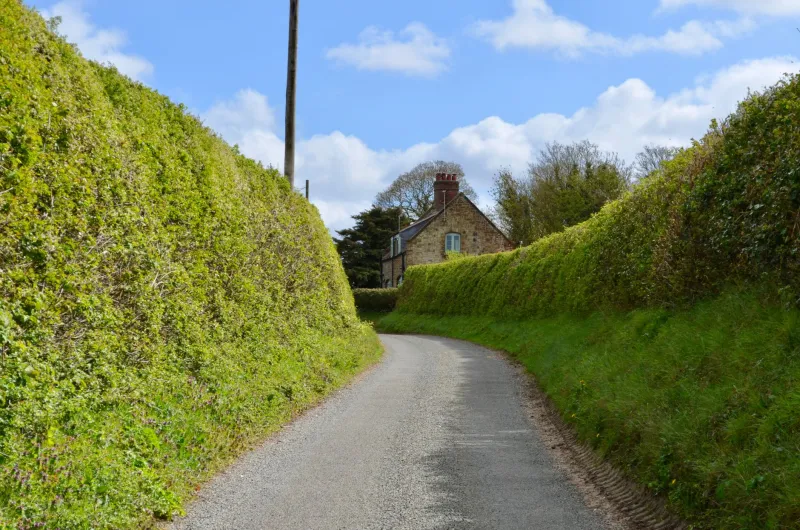
There's a particular kind of joy that arrives only when you're completely, gloriously lost on a narrow country lane somewhere between two places you've never heard of. The hedgerows are pressing in from both sides, a tractor has been indicating left for the past quarter mile, and the map app gave up three turnings ago. And yet — somehow — you feel utterly at peace.
This is the world of Britain's B-road wanderers. Not lost tourists, not confused commuters, but deliberate slow travellers who have made a conscious choice to abandon the grey certainty of the motorway in favour of something altogether more nourishing: the forgotten roads, the half-asleep villages, the literary landscapes that don't make it onto any highlight reel.
The Movement Growing in the Slow Lane
It doesn't have a formal name or a membership card, but across Britain a genuinely heartwarming community has been quietly forming — walkers, cyclists, vintage car enthusiasts, and weekend drivers who plan their journeys specifically to meander. Facebook groups with names like The Long Way Round and Britain's Back Roads have accumulated tens of thousands of members swapping routes, photographs of hand-painted village signs, and recommendations for pubs that still serve soup in a mug.
What unites them isn't nostalgia, exactly. It's curiosity. The desire to ask, as Margaret, a retired schoolteacher from Shropshire who cycles B-roads every Sunday puts it: "What's the story here?"
"Every village has one," she says. "A strange war memorial, a peculiar carved stone above a doorway, a noticeboard advertising events that seem to belong to another century. You'd never see any of it doing seventy on the A49."
Noticeboards, Narratives and the Art of Noticing
If the motorway is a sentence that just wants to reach its full stop, the B-road is a paragraph that keeps surprising you with its commas. And nowhere is this more apparent than at the humble village noticeboard.
To the fast traveller, these wooden boards with their plastic-sleeved flyers are invisible. To the slow traveller, they are extraordinary archives of community life — handwritten notices for scarecrow festivals, poetry competitions run by the Women's Institute, lost cat appeals written with unexpected literary flair, and occasionally, genuine treasure: a local history group's self-published pamphlet left free in a plastic folder, stuffed with stories about the village that time forgot.
Dave, a vintage car enthusiast from Worcestershire who spends his weekends driving his 1967 Morris Minor through the Malvern Hills and beyond, has started photographing every noticeboard he passes. "I've got hundreds now," he laughs. "It started as a joke but I've genuinely read things that moved me. There was one in a little village in Herefordshire — just a typed note from a farmer thanking the community for helping after a difficult year. Three sentences. I sat in the layby and read it four times."
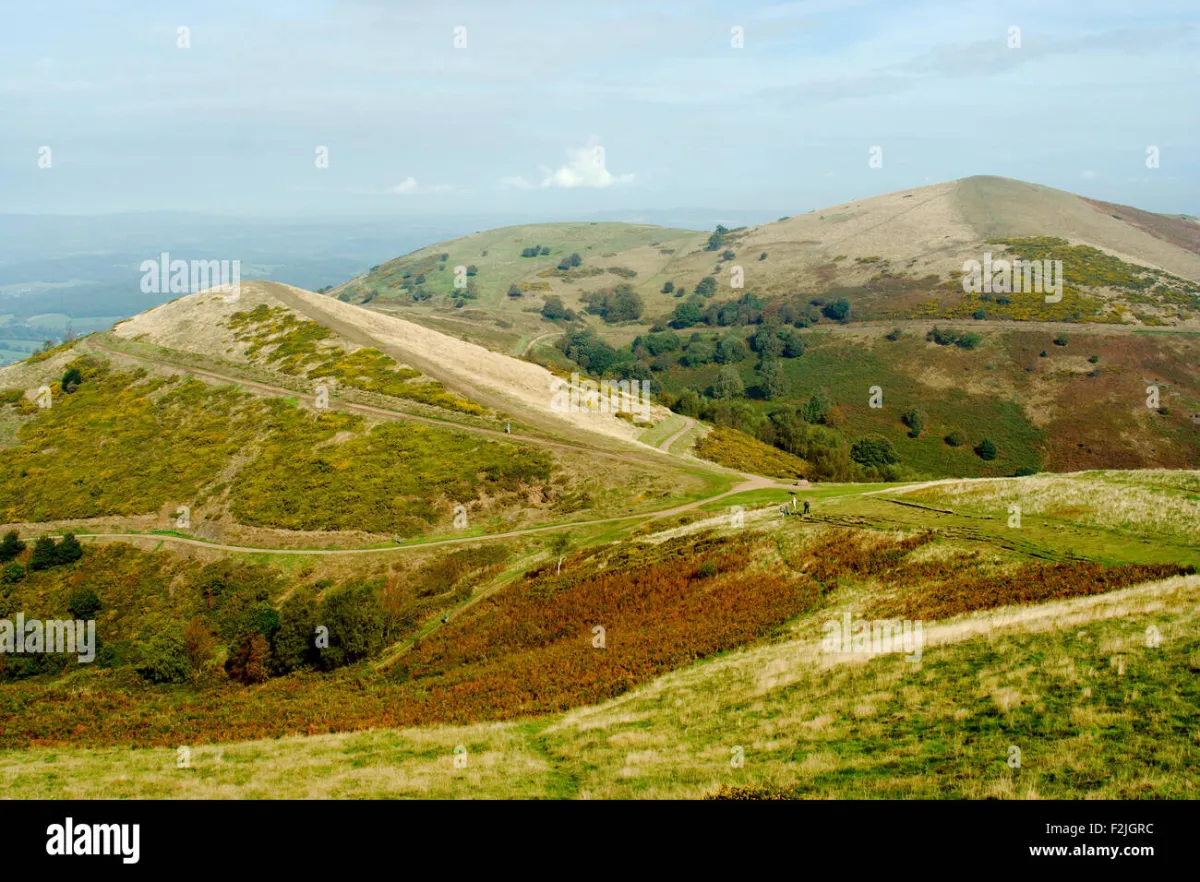 Photo: Malvern Hills, via c8.alamy.com
Literary Landmarks Hidden in Plain Sight
Britain's literary heritage doesn't live only in grand museums and well-signposted tourist trails. A great deal of it is quietly breathing in the kind of places you only reach by taking the wrong turning.
The lanes around Haworth in West Yorkshire are thick with Brontë echoes long before you reach the famous parsonage — if you walk them slowly enough, you begin to understand why those novels feel the way they do. The Shropshire hills that A.E. Housman immortalised in A Shropshire Lad reveal themselves in layers only to those patient enough to walk them. Even the Cotswolds, overrun as they are in summer, contain dozens of hidden hamlets where a slow drive will lead you past a church porch with a hand-lettered quote pinned to the door, or a village hall advertising a reading group that has met every Thursday for forty years.
Sophie, a bookseller from Bristol who plans annual solo cycling trips along lesser-known literary routes, describes the experience as "reading a country rather than a map."
"I did a route last spring through the Wye Valley, following places connected to Francis Kilvert's diaries," she says. "Nobody was doing it. No coach parties, no Instagram crowds. Just me, the river, and this extraordinary sense that the landscape was still telling the same story it told him in the 1870s. That's something you can't manufacture."
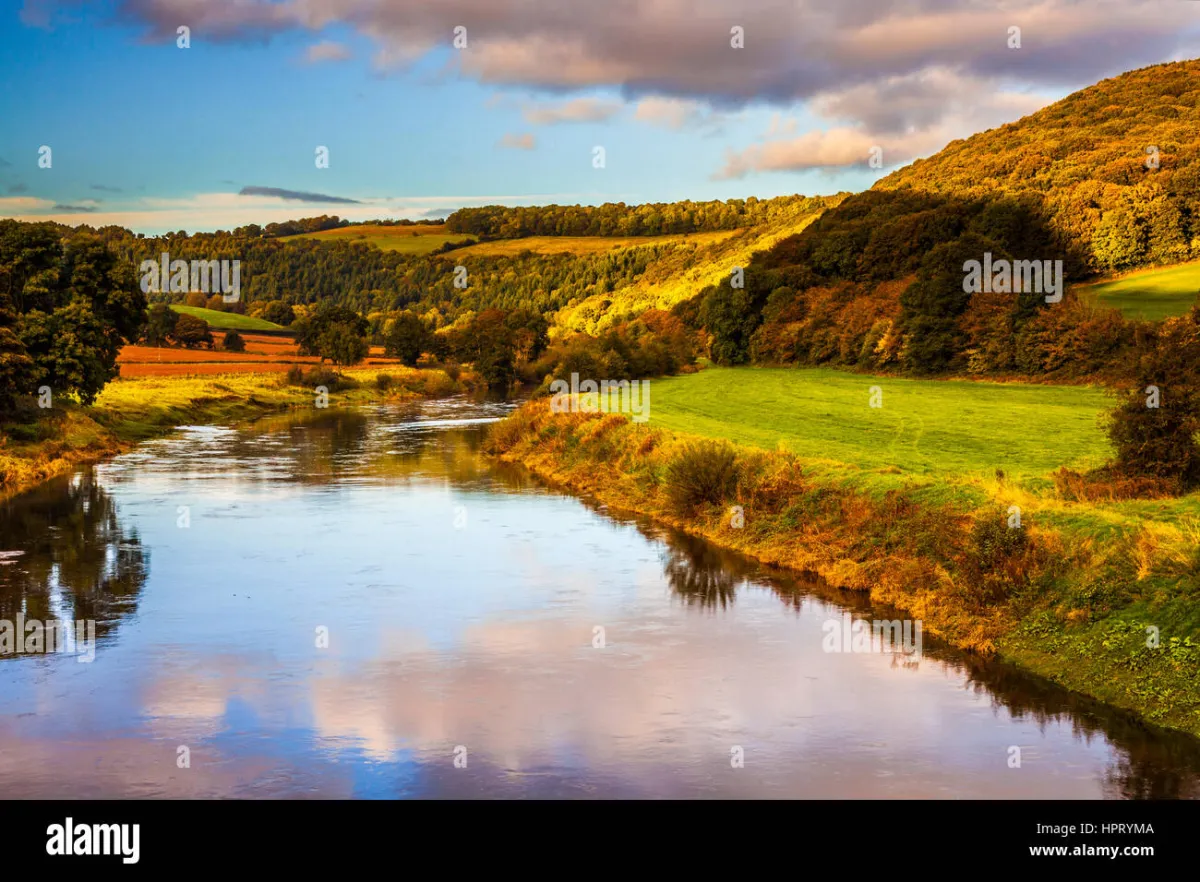 Photo: Wye Valley, via c8.alamy.com
Slowing Down as a Radical Act
There's a growing body of thinking around the mental health benefits of what researchers call pace reduction — the simple act of moving through the world more slowly and with more attention. The B-road wanderers arrived at this conclusion not through academic papers but through instinct, and what they describe aligns neatly with what wellbeing researchers have been saying for years: that wonder is not found at speed.
For many, the shift to slow travel came after a period of burnout, loss, or simply the creeping sense that life was happening too fast to be properly felt. The B-road became a kind of therapy — not because of anything dramatic, but because of the accumulation of small, unhurried observations. A field of barley lit gold in late afternoon. A handwritten sign outside a farm shop: Eggs. Honour box. Be kind. A village name so peculiar it makes you pull over just to photograph the sign.
"I started doing it after my mum died," says Phil, a lorry driver from Lancashire who spends his days off exploring the Pennine back roads on his bicycle. "I needed to feel like the world was still full of things I hadn't seen yet. And it is. It absolutely is. You just have to go slowly enough to see them."
Finding Your Own B-Road Bliss
You don't need a vintage car or a specialist cycling route to join this quiet revolution. You need only a willingness to turn off the sat nav, take the road that looks interesting rather than efficient, and stop when something catches your eye.
Pick up the free local history pamphlet in the church porch. Read the noticeboard outside the village hall. Order the tea and the scone in the café that has been there since 1954 and ask the person behind the counter how long they've lived here. You might be surprised what story arrives.
Britain is, at its heart, an island of extraordinary stories — layered, contradictory, funny, tender, and deeply human. Most of them are not on the motorway. Most of them are waiting, patient and unhurried, on a B-road you haven't taken yet.