Village Hours: Inside the Rural Storytelling Weekends That City Dwellers Are Travelling Miles to Find
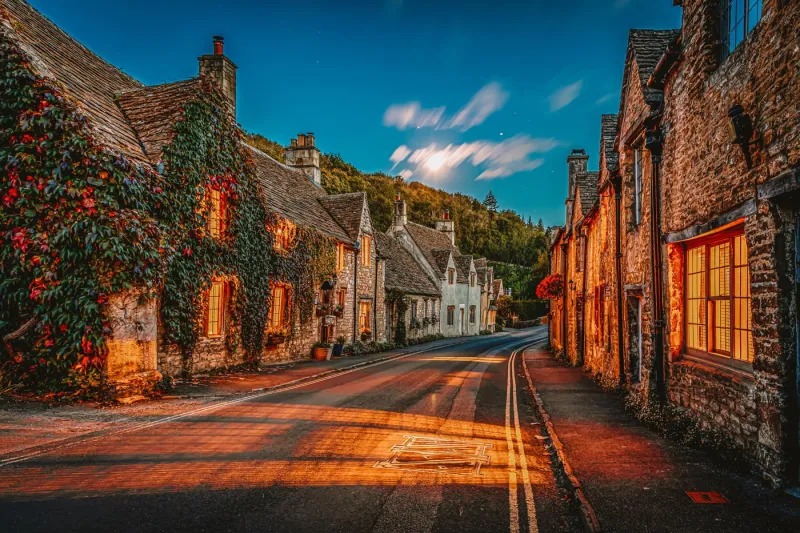
Photo: cosy village hall storytelling gathering rural Britain countryside, via mldvwwasb8tu.i.optimole.com
The first thing you notice, arriving in a village that's hosting one of these weekends, is the silence. Not an absence of sound — birds are busy, wind moves through hedges, someone's wood burner is ticking warmly nearby — but an absence of urgency. The particular, relentless hum of modern life simply isn't present here. And for the people who've driven two, three, sometimes four hours from London, Leeds or Liverpool to be here, that silence is the first gift.
The second gift arrives a little later, when someone sits down beside you, opens their mouth, and begins to tell you a story.
The Villages Quietly Making Space for Words
Across Britain, a small but growing number of rural communities have begun hosting storytelling and creative writing weekends — intimate, unhurried gatherings that bear little resemblance to the polished literary festivals of Hay or Edinburgh. There are no celebrity authors. There are no queues for signings. There is, usually, a village hall, a good supply of tea, a fire if the weather demands it, and a circle of strangers who've come, in various states of exhaustion and longing, to be around stories for a while.
In the Brecon Beacons, a hamlet of fewer than two hundred people has been hosting quarterly storytelling weekends since 2021, drawing attendees from as far afield as Glasgow and Brighton. The event is organised entirely by volunteers and capped at thirty participants — a number chosen, says co-organiser Megan, with great deliberateness. "Big enough to feel like a community. Small enough for everyone to be seen."
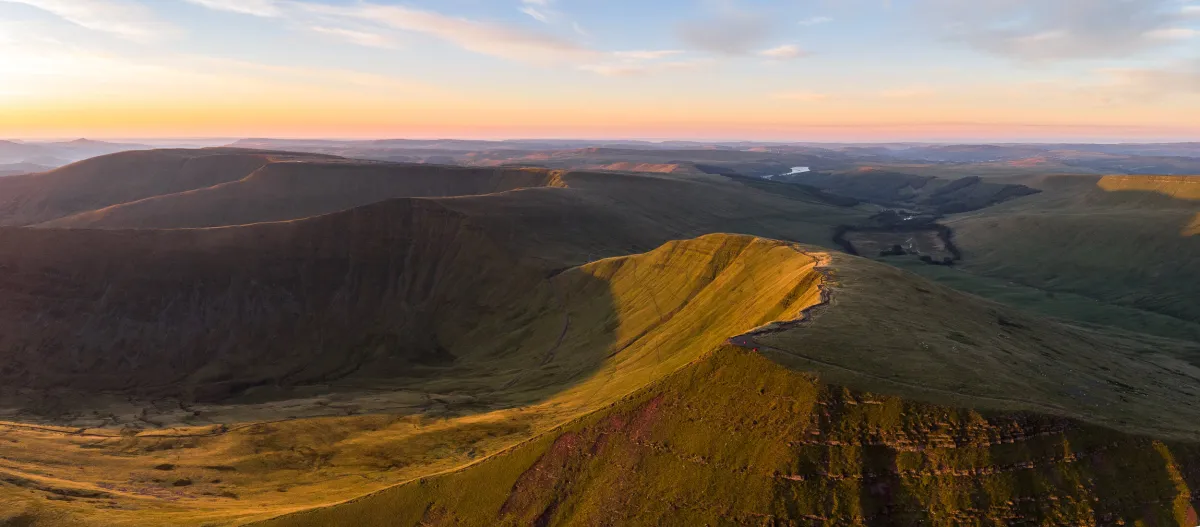 Photo: Brecon Beacons, via images.squarespace-cdn.com
In the Scottish Borders, a village writing weekend that began as a one-off experiment to raise funds for a local hall roof has quietly become one of the most requested events in the region's community calendar. "We had a waiting list before we'd even announced the second one," says organiser Duncan, still slightly baffled by it. "I think we'd underestimated how hungry people were for this."
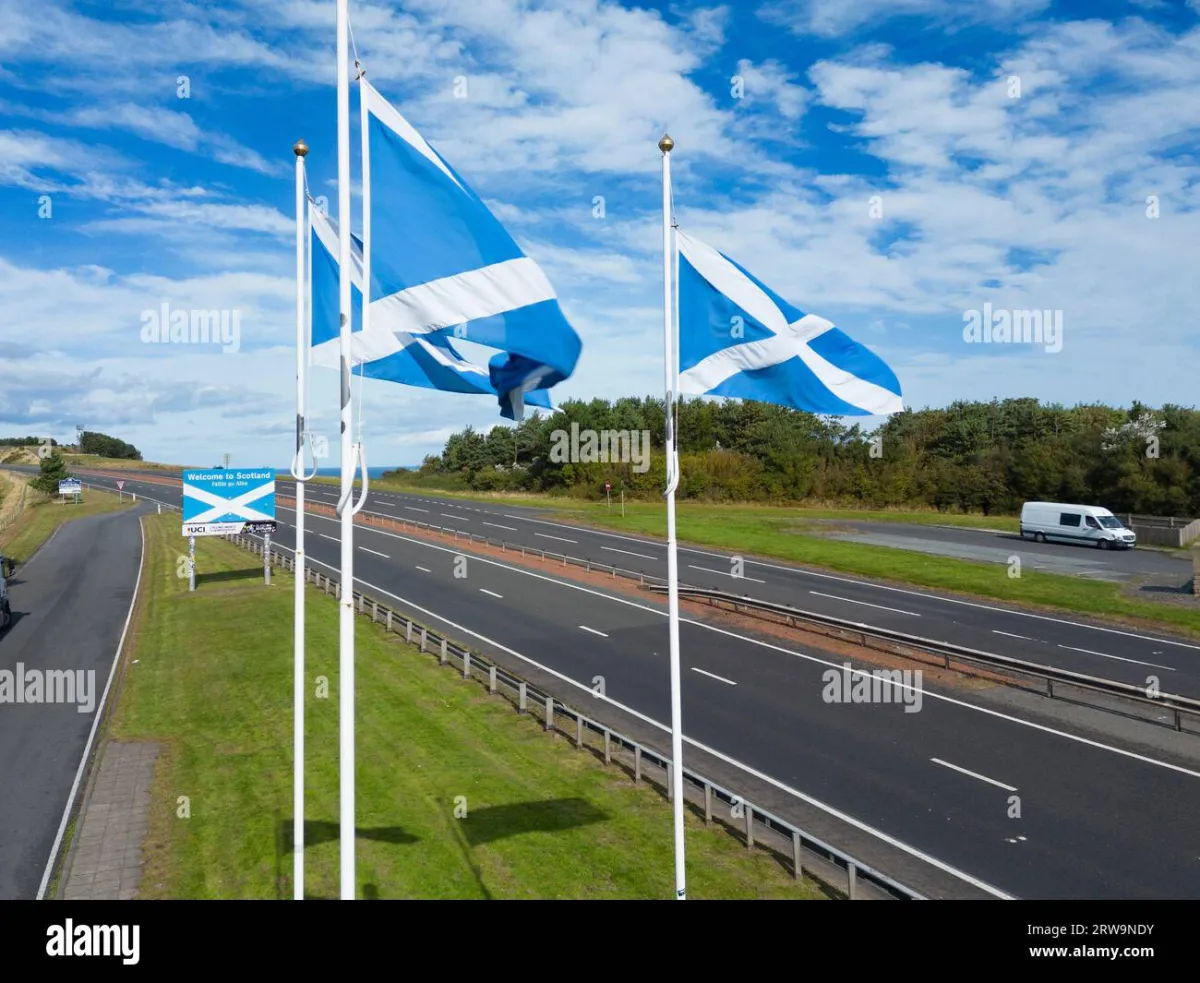 Photo: Scottish Borders, via c8.alamy.com
What Actually Happens
The format varies from village to village, but the spirit is consistent. Participants gather on Friday evening, often sharing a meal together — sometimes cooked communally, sometimes provided by local volunteers — and the weekend unfolds from there with a gentle rhythm of listening, writing, walking and sharing.
Sessions might include guided storytelling circles, where participants take turns contributing to a collective narrative. Or quiet writing hours, where individuals are given a prompt and simply left to write for as long as they need. Some weekends incorporate walks through the surrounding landscape, with storytelling woven into the movement — a tale told beside a particular tree, a poem read at the top of a hill.
What's notably absent from most of these gatherings is critique. Nobody is workshopping in the traditional creative writing sense. Nobody is being assessed, improved or compared. "We're not here to make anyone a better writer," says Megan. "We're here to remind people that they're already storytellers. That's quite different."
Why the Countryside Makes the Difference
You could, in theory, host a storytelling weekend anywhere. A community hall in Manchester, a hired room in Bristol. The bones of the event would be similar. And yet, almost universally, both organisers and attendees insist that the rural setting is not incidental — it's essential.
There's something about the pace of the countryside that creates permission. Permission to slow down, to be quiet, to let a thought develop fully before moving on to the next one. In a city, even a conscious decision to slow down exists in tension with everything around you — the notifications, the traffic, the ambient pressure of other people moving quickly. In a village in the Welsh hills, that tension simply dissolves.
"By Saturday morning, I feel like a different person," says Aisha, a marketing manager from London who attended the Brecon Beacons weekend last autumn. "Not a better version of myself, exactly — just a more real one. Like I've been turned down to the right volume."
Several attendees describe a specific moment, usually on the first full day, when something releases. A kind of internal sigh. The point at which the weekend stops feeling like something they're doing and starts feeling like somewhere they simply are.
The Stories People Bring — and the Ones They Find
For many attendees, the most unexpected element of these weekends is what surfaces in their own writing. Freed from the pressure of performance, from the distraction of screens, from the constant low-level management of daily life, people find themselves writing things they hadn't known were waiting.
Gareth, a solicitor from Cardiff, attended his first storytelling weekend in the Borders eighteen months ago. He'd signed up primarily because his wife had convinced him he needed a break. "I thought I'd be rubbish at it," he admits. "I hadn't written creatively since school. But by Sunday afternoon I'd written three pages about my grandfather's allotment, and I was crying a bit, and I didn't mind at all. Something had come loose."
This is, perhaps, what these weekends offer that a spa break or a yoga retreat cannot: not relaxation, exactly, but release. The particular release that comes from making something — from shaping experience into language and offering it, even tentatively, to another human being.
The Community That Hosts, and the Community That Forms
There's a reciprocity to these weekends that organisers find deeply rewarding. The villages that host them benefit — practically, through the income generated for local halls, pubs and accommodation, but also in a less tangible way. "There's an energy that comes into the village when people arrive for the weekend," says Duncan. "You feel it in the pub on Friday night. It wakes something up."
And among the attendees, something community-shaped tends to form with surprising speed. By Sunday morning, people who were strangers on Friday evening are exchanging reading recommendations, email addresses, tentative promises to keep writing. Some of these connections persist. A few groups have formed their own ongoing writing circles back in their home cities, meeting monthly to keep the thread alive.
"I came looking for quiet," says Aisha, "and I found that. But I also found people. Which I wasn't expecting at all."
Finding Your Own Village Weekend
If you're drawn to the idea — and the fact that you've read this far suggests you might be — the good news is that these weekends are spreading. Community noticeboards, local Facebook groups, and word of mouth remain the primary routes to finding them, which feels entirely appropriate. These are analogue events, discovered the analogue way.
The waiting lists are real, and the spaces fill quickly. But the villages are patient. The hills aren't going anywhere. And the stories, as they always have, will be there when you arrive.
Bring a notebook. Leave the phone in the car if you can manage it. And give yourself permission, just for one weekend, to move at the pace of words rather than the pace of everything else.
You might be surprised what you find when you do.