Dust, Discovery and a Little Bit of Magic: The Library Shelves Britain Forgot to Love
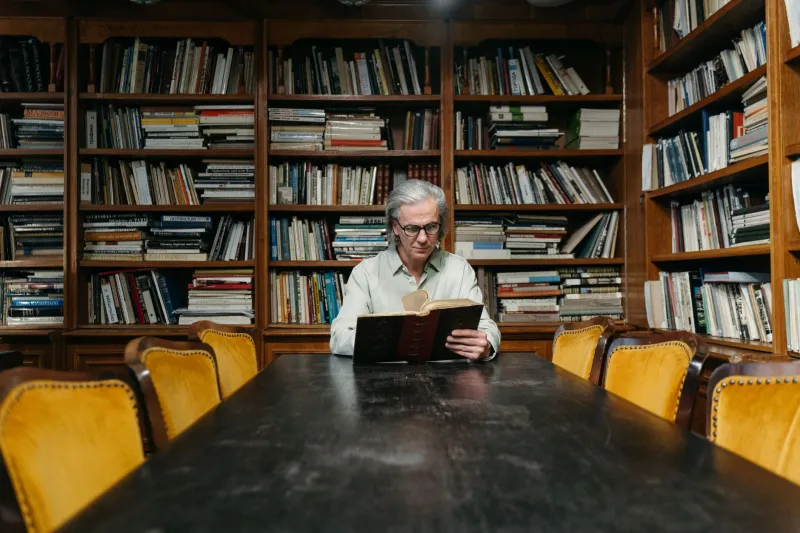
There's a particular kind of afternoon that only happens in a library. The light is low and golden, the carpet is doing its best, and somewhere between the travel section and the large-print romances, you pull out a book you've never heard of, read the first page standing up, and realise — with a small, private jolt — that this might be exactly what you needed.
No algorithm sent you here. No influencer recommended it. You just wandered, and the book found you.
This is the quiet magic that Britain's librarians have been quietly protecting for years, even as the noise around new releases, prize lists and celebrity book clubs gets louder. And now, in libraries from Truro to Dundee, something of a gentle revolution is underway.
The Shelves Nobody Talks About
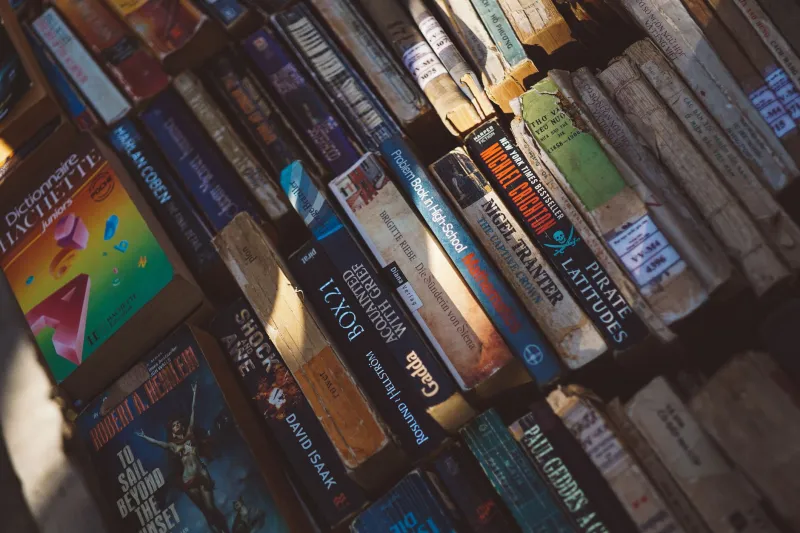
Every public library in Britain has them: the mid-shelves, the quiet rows, the sections that don't get their own display table or handwritten recommendation card. Books published twenty, thirty, forty years ago that were once somebody's favourite and are now waiting, patient and unassuming, for the next right reader.
Librarians, who arguably know their collections better than anyone, have started to push back against the culture of relentless newness. In a growing number of libraries, staff-curated displays are deliberately featuring overlooked titles — not classics in the canonical sense, but books that slipped through the cultural cracks and deserve a second hearing.
At a branch library in Coventry, senior librarian Moira has been running a monthly "hidden shelf" display for the past two years. "I got tired of just reflecting what was already popular," she explains. "My job is to connect people with books, not to replicate a bestseller chart. Some of the most powerful reading experiences I've witnessed have come from someone picking up something they'd never have sought out."
Her current display includes a 1980s novel about a Welsh mining community, a forgotten collection of nature essays from the 1970s, and a slim, out-of-print memoir by a Jamaican-British woman who arrived in Birmingham in the 1950s. None of them are famous. All of them, according to Moira, have made readers cry — in the best possible way.
The Accidental Discovery
Ask any devoted library reader about their most significant literary find, and the odds are good it wasn't a planned purchase. It was a stumble.
Daniel, a secondary school librarian from Cardiff, found the book that shaped his entire career by reaching for something on a high shelf and pulling down the wrong title. "I was looking for something completely different. What I got was this strange, beautiful novel about a lighthouse keeper that I'd never heard of and can barely find mentioned anywhere now. I read it in one sitting. I still think about it."
This quality of serendipitous encounter is something that no online retailer, however sophisticated its recommendation engine, has managed to replicate. The physical act of browsing — letting your eyes drift, pulling out a spine that catches you, reading a paragraph at random — produces a kind of discovery that feels genuinely different from being told what to read next.
There's research to suggest this matters. Studies into what psychologists call "exploratory behaviour" find that unplanned discoveries tend to generate stronger emotional responses than anticipated ones. In plain English: the book you stumble upon hits harder than the one you went looking for.
What Librarians Know That the Rest of Us Don't
Spend any time talking to UK librarians and you'll start to understand that they are, quietly, some of the most extraordinary literary custodians in the country. They hold institutional memory — an understanding of what their communities have loved, what's been forgotten, and what deserves rescuing.
In Nottingham, a librarian named Priya has been digitising handwritten reader recommendation cards from the 1960s and 70s, found tucked inside old copies of books. "People used to leave notes for the next reader — 'I think you'll enjoy this if you liked...' — and they're extraordinary. They tell you so much about what ordinary readers valued, as opposed to what critics valued. Very different lists."
She's been using the cards as inspiration for a new display scheme: books recommended not by staff or prize committees, but by anonymous readers from decades past. The response has been, she says, "genuinely moving."
The Case for Wandering
There is something almost countercultural about walking into a library with no particular plan. In an era when our reading choices are increasingly shaped by data — what's trending, what's been adapted for television, what a famous person mentioned on a podcast — the act of simply browsing feels almost radical.
And yet it's one of the oldest and most human ways of finding a story.
Helen, a retired teacher from Norwich, visits her local library every Thursday and makes a point of spending at least fifteen minutes in a section she wouldn't normally visit. "I've read books about subjects I knew nothing about and cared nothing about," she says. "And some of them have been the most enriching experiences of my reading life. You have to be willing to be surprised."
That willingness — to let go of the curated list, to trust the wandering instinct — is something Britain's librarians are actively encouraging. And the books they're championing aren't dusty relics. They're alive, waiting, full of things worth knowing.
Finding Your Way to the Overlooked Corner
If you haven't visited your local library recently, here's a gentle nudge: go. Not with a specific title in mind, but with an open afternoon and a willingness to wander.
Ask your librarian what they personally love that nobody ever asks for. Browse the sections you'd normally walk past. Pull out something with an unfamiliar cover. Read the first page.
You might find nothing that grabs you. Or you might find exactly the book you didn't know you were looking for — the one that's been sitting there patiently, gathering a little dust, waiting for precisely you.
That's the thing about the forgotten shelves. They haven't given up on anyone. They're just waiting for the right afternoon, the right wanderer, the right pair of hands.
Perhaps today, those hands are yours.