The Unexpected Harvest
There's something extraordinary happening in Britain's allotments, and it has nothing to do with prize-winning marrows or perfect tomatoes. Across the country's 330,000 plots, a quiet literary revolution is taking root alongside the vegetables, as growers discover that the ancient rhythms of cultivation are awakening something profound within them—the irresistible urge to write.
Margaret Henderson first noticed it on a misty Tuesday morning in her Gloucestershire allotment. "I was earthing up the potatoes when these words just started forming in my head," she explains, wiping soil-stained hands on her apron. "By the time I'd finished the row, I had half a poem about the way frost clings to cabbage leaves like lace curtains."
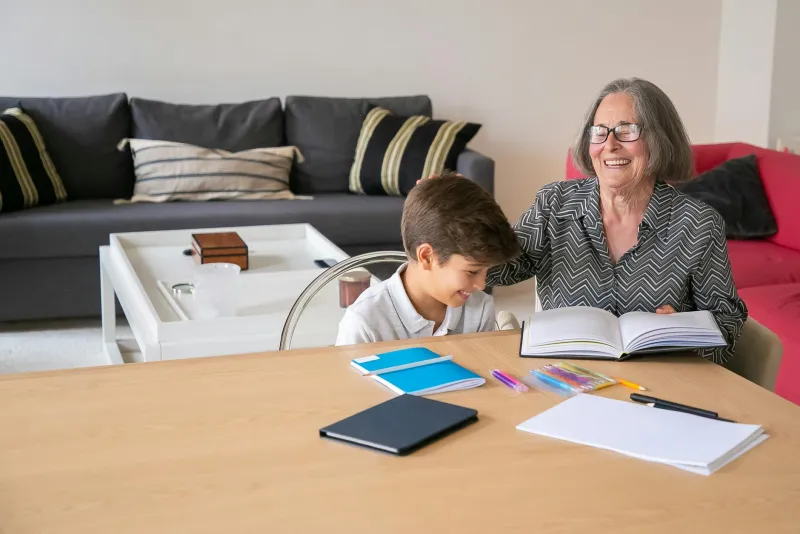
What began as scattered thoughts scribbled in the margins of her seed catalogue has blossomed into something much more significant. Margaret now leads a writing group that meets every Saturday morning in the communal shed of Fairfield Allotments, where the scent of compost mingles with the scratch of pens on paper.
From Soil to Soul
The connection between gardening and creativity isn't entirely surprising when you consider the parallels. Both require patience, faith, and the willingness to nurture something from its most vulnerable beginnings. Both demand attention to seasons, to subtle changes, to the delicate balance between intervention and letting nature take its course.
"There's something about having your hands in the earth that quiets the mind," says Dr. James Whitmore, who tends a plot in Edinburgh whilst working on his first novel. "The repetitive actions—weeding, watering, harvesting—they create this meditative state where stories just seem to surface naturally."
Across Britain, allotment associations are reporting an unexpected trend: plot holders requesting permission to install small writing benches, weatherproof notebooks appearing in tool sheds, and informal poetry readings happening around evening bonfires of garden waste.
The Rhythm of the Seasons
What makes allotment writing particularly special is how deeply it's rooted in the natural world. These aren't stories crafted in sterile coffee shops or cluttered home offices, but narratives that emerge from direct engagement with soil, weather, and the turning of seasons.
Sarah Chen, who tends a plot in Manchester, describes how her writing has evolved with her gardening year. "In spring, everything I write is about hope and new beginnings. Summer brings stories full of abundance and growth. Autumn writing tends to be more reflective, about harvests both literal and metaphorical. And winter—that's when the deeper stories come, the ones about patience and faith in things unseen."
Her allotment writing group, which started with just three members two years ago, now boasts fifteen regular attendees who meet in the association's greenhouse every Sunday afternoon. They've even started a small newsletter, sharing both growing tips and creative writing, which has become surprisingly popular throughout the community.
Tools of the Trade
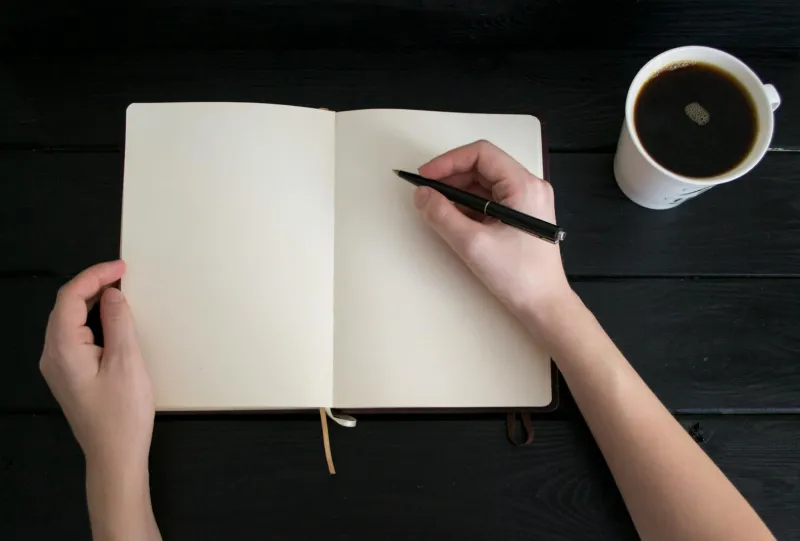
The tools of allotment writing are refreshingly simple. Weatherproof notebooks live in jacket pockets alongside secateurs and string. Pencils—always pencils, because they work in any weather—are tucked behind ears or tied to belt loops. Some writers have fashioned small writing surfaces from old seed trays, creating portable desks that can move from plot to plot.
"I keep a notebook in my tool bag," explains Tom Richards, whose Birmingham allotment has inspired a collection of short stories about urban nature. "Sometimes I'll be harvesting beans and suddenly have this perfect metaphor about persistence, or I'll watch a blackbird defending its territory and see a whole story about courage unfold."
Community in Bloom
Perhaps most beautifully, these allotment writers are discovering that sharing stories creates community in much the same way that sharing surplus vegetables does. Plot holders who might once have exchanged only polite greetings about the weather are now discussing character development over the compost heap and offering feedback on each other's work whilst tending neighbouring plots.
The Riverside Allotments in Bristol have taken this community spirit further, establishing a "story swap shop" in their communal area where members can leave handwritten stories for others to discover and enjoy. The weathered wooden box, painted bright yellow and decorated with climbing roses, has become a focal point of their small community.
Growing Forward
As more allotment associations embrace their creative members, initiatives are sprouting across the country. Some are hosting seasonal writing workshops, others are creating dedicated quiet spaces for contemplation and composition, and a few ambitious groups are even planning to publish collections of their soil-inspired stories.
"There's something deeply satisfying about creating both food and stories in the same space," reflects Margaret Henderson, looking across her flourishing plot where runner beans climb poles adorned with wind chimes made from old seed packets. "Both nourish people, both require tending, and both remind us that the most beautiful things often grow from the humblest beginnings."
As Britain's allotments continue to nurture both vegetables and verses, these muddy-handed writers are proving that creativity, like the best gardens, flourishes when given the right conditions: patience, community, and a deep connection to the natural rhythms that sustain us all.