The Magic of Shared Stories
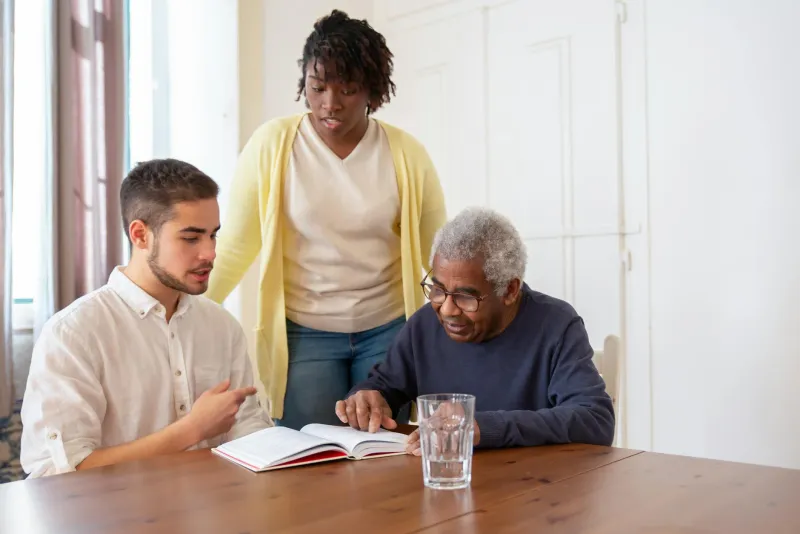
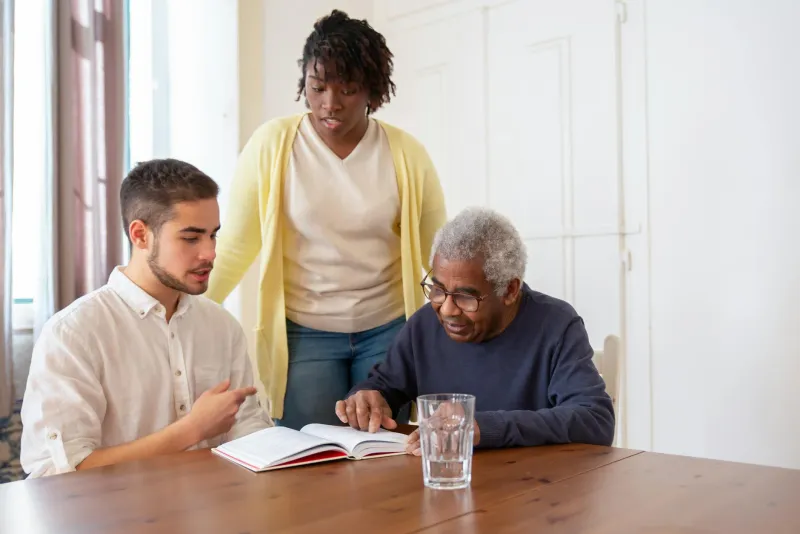
In a cosy corner of Rosewood Care Home in Gloucestershire, 78-year-old Margaret sits forward in her armchair, eyes bright with anticipation. Today, volunteer reader Sarah Jenkins has brought along a well-thumbed copy of "The Thursday Murder Club," and Margaret can barely contain her excitement to discover what the feisty residents of Coopers Chase retirement village will get up to next.
This scene plays out hundreds of times each week across Britain, as a growing network of volunteer readers transforms care homes into vibrant literary communities. What began as scattered individual efforts has blossomed into something remarkable: a movement that's proving reading aloud isn't just entertainment—it's medicine for the soul.
"I never expected to look forward to anything as much as I look forward to story time," Margaret confides, her voice carrying decades of wisdom and newfound wonder. "Sarah doesn't just read to us; she brings the characters to life. We laugh together, we gasp together, we even cry together sometimes. It's beautiful."
Beyond the Printed Page
The benefits of these reading sessions extend far beyond simple entertainment. Research from the University of Liverpool's Centre for Research into Reading, Literature and Society has shown that shared reading can significantly improve cognitive function, reduce anxiety, and combat the isolation that too often shadows later life.
Dr. Josie Billington, who leads groundbreaking studies in this field, explains: "When someone reads aloud to you, you're not just processing a story—you're experiencing human connection at its most fundamental level. The reader's voice becomes a bridge between worlds, between generations, between the life someone once lived and the life they're living now."
For volunteers like Sarah, who began reading at care homes during the pandemic when families couldn't visit, the rewards flow both ways. "I started this thinking I was giving something to the residents," she reflects. "But honestly, they give me far more than I could ever give them. Their reactions to stories, their insights, their memories that books unlock—it's taught me so much about resilience, about finding joy in small moments."
Creating Literary Sanctuaries
Across the country, care homes are discovering innovative ways to nurture these reading communities. At Meadowbrook House in Yorkshire, activities coordinator Emma Thompson has created what she calls "story circles"—intimate gatherings where residents and volunteers explore everything from classic literature to contemporary memoirs.
"We've had residents who hadn't spoken much for months suddenly come alive during a reading of 'Pride and Prejudice,'" Emma shares. "There's something about familiar stories, about beautiful language read with care, that seems to unlock parts of people we thought were lost."
The approach varies wonderfully from home to home. Some focus on beloved classics, others explore contemporary fiction, and many have discovered the particular joy of reading memoirs and biographies that resonate with residents' own life experiences. At Sunset Manor in Wales, volunteer David Roberts has become legendary for his dramatic readings of adventure stories, complete with different voices for each character.
The Ripple Effect of Kindness
What's perhaps most beautiful about this movement is how organic it feels. There's no central organisation, no formal structure—just individuals recognising that reading aloud is one of humanity's oldest and most powerful forms of connection.
Jenny Walsh, who coordinates volunteers across three care homes in the West Midlands, has watched this network grow through simple word-of-mouth. "People hear about what we're doing and want to be part of it," she explains. "Teachers, parents, grandparents, even teenagers—there's something universal about the desire to share stories."
The pandemic initially disrupted many programs, but it also sparked creativity. Virtual reading sessions via video calls kept connections alive, and many volunteers discovered that residents' families, watching from afar, were deeply moved to see their loved ones engaged and animated during story time.
Stories That Heal
Perhaps the most profound impact comes from the memories that stories unlock. Volunteer reader Patricia Holmes recalls the day she was reading "Rebecca" to a group at Willowbank Care Home in Scotland. "One lady, who rarely spoke, suddenly began telling us about her own wedding day, how she'd felt like the heroine of a romantic novel. The story had opened a door to her past, and for twenty minutes, she was that young bride again."
These moments of connection, of recognition, of shared humanity, happen daily across Britain's care homes. They remind us that everyone has a story worth telling, worth hearing, worth celebrating.
Joining the Movement
For those inspired to become part of this quiet revolution, the path is beautifully simple. Most care homes welcome volunteers, and many provide training in reading aloud and engaging with residents who may have dementia or other conditions.
The requirements are wonderfully uncomplicated: a love of stories, a willingness to connect, and the understanding that sometimes the most powerful thing you can do is simply sit with someone and share the magic of a well-told tale.
As Margaret from Rosewood Care Home puts it: "These volunteers don't just read to us—they remind us that we're still part of the world, still worthy of beautiful stories, still capable of wonder. That's a gift beyond measure."
In a world that often feels divided, these reading volunteers are quietly stitching communities back together, one story at a time. They're proving that literature isn't just about books—it's about the bridges we build between hearts, the connections we forge across generations, and the simple, profound truth that everyone deserves to be part of a beautiful story.