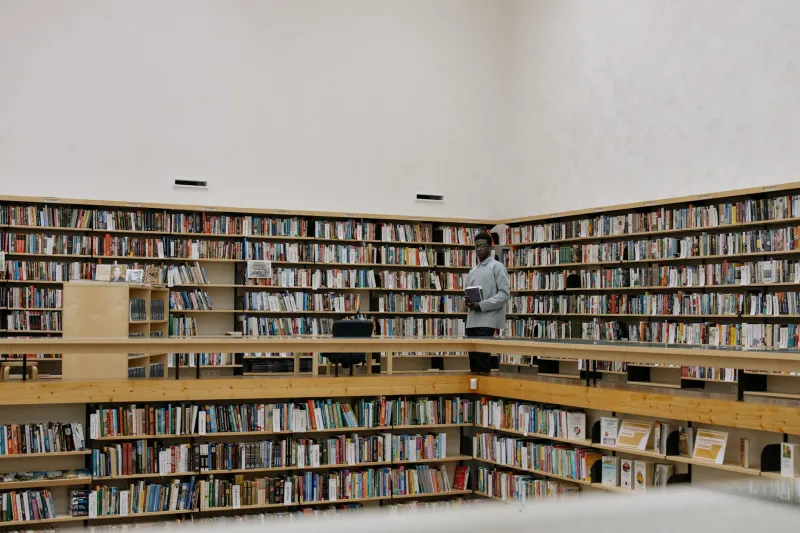
The Unexpected Sanctuary
Step inside HMP Wandsworth on a Tuesday afternoon, and you might be surprised by what you discover tucked away on the third floor. Past the echoing corridors and reinforced doors lies something extraordinary: a haven where the rustle of turning pages drowns out the institutional sounds beyond. This is where Sarah Mitchell, head librarian for fifteen years, has witnessed miracles unfold one book at a time.
"People assume prison libraries are just quiet spaces to pass time," Sarah reflects, adjusting a display of poetry collections. "But I've seen men who couldn't read their own children's letters transform into confident storytellers. That's when you realise we're not just lending books—we're lending hope."
Across Britain's prison system, dedicated librarians, volunteers, and innovative programmes are quietly revolutionising lives through the transformative power of literature. From the Shannon Trust's peer-to-peer reading mentorship to the prestigious Koestler Arts awards celebrating creative expression behind bars, stories are becoming bridges to second chances.
Where Words Become Weapons Against Despair
At HMP Pentonville, the Storybook Dads initiative has captured hearts and headlines alike. Inmates record themselves reading children's stories, creating precious audio gifts for their families. Marcus Thompson, serving his third year, discovered his love for storytelling through this programme.
"Reading 'The Gruffalo' to my daughter through that microphone was the first time I felt like a proper dad in years," he shares. "My voice was shaking, but I kept going because I knew she'd hear it. Books gave me back my role as her father, even from in here."
The ripple effects extend far beyond individual stories. Research by the Prison Reform Trust reveals that inmates who engage with library programmes show 30% lower reoffending rates. But the librarians working on the ground see something statistics can't capture: the moment when someone discovers they're capable of change.
The Unsung Champions of Change
Volunteers form the backbone of many prison reading initiatives. Margaret Davies, a retired English teacher, has spent five years running creative writing workshops at HMP Cardiff. Her weekly sessions attract men from all backgrounds, united by their hunger for expression.
"I've had gang members write tender poems about their mothers, and white-collar criminals craft powerful short stories about redemption," Margaret explains. "Literature strips away the labels and reveals the human beneath. It's profoundly moving every single time."
The Shannon Trust, Britain's only charity focused on prison literacy, trains inmates to become reading mentors for their peers. This peer-to-peer approach breaks down barriers that traditional teaching methods often can't penetrate. When someone who's walked the same path offers to help, pride transforms into possibility.
Beyond the Bars: Stories of Transformation
Jamie Richardson entered HMP Belmarsh unable to read beyond a primary school level. Three years later, he's published poetry and won regional writing competitions. His journey began with a simple conversation with the prison librarian about wanting to understand his legal documents.
"She handed me a book about a man overcoming addiction," Jamie recalls. "I struggled through the first page, but something clicked. Every book after that became easier, and suddenly I was hungry for more stories. Now I write my own."
The Koestler Arts programme, which celebrates creativity within the criminal justice system, receives thousands of submissions annually. Their exhibitions tour galleries nationwide, challenging public perceptions about talent and potential behind prison walls. Winners often describe their creative awakening as the turning point in their rehabilitation journey.
Building Bridges Through Books
Family reading programmes create particularly powerful connections. At HMP Dovegate, fathers participate in bedtime story recordings that help maintain crucial bonds with their children. The library becomes a space where parental love transcends physical barriers.
Librarian James Walsh has facilitated hundreds of these sessions. "Watching a hardened criminal break down while reading 'Guess How Much I Love You' reminds you that everyone has someone they care about," he observes. "Books help them express feelings they've never learned to articulate."
The Ripple Effect of Reading
The impact extends into communities long after release. Former inmates often become passionate advocates for literacy, volunteering in schools and community centres. Their lived experience gives weight to their message that education and storytelling can rewrite any narrative.
David Chen, released from HMP Brixton two years ago, now runs reading groups in South London youth centres. "I tell these kids that books saved my life, literally," he says. "If an ex-con can fall in love with poetry, anyone can find their story worth telling."
A Future Written in Hope
As funding pressures mount across the prison system, these library programmes face uncertain futures. Yet their champions remain undeterred, knowing that every book opened represents a life that might be transformed.
Sarah Mitchell puts it simply: "We're not just running libraries—we're running hope factories. Every day, someone discovers they're more than their worst mistake. That's the quiet magic happening in Britain's prisons, one page at a time."
In a system often focused on punishment, these literary sanctuaries prove that rehabilitation can flourish through the simple, profound act of sharing stories. They remind us that transformation is always possible, and sometimes it begins with nothing more magical than opening a book.