Writing has always been humanity's way of making sense of chaos, but some of our most cherished British authors have taken this one step further. They've alchemised personal pain into pure literary gold, creating works that not only helped them heal but have gone on to comfort and inspire millions of readers worldwide.
1. J.K. Rowling – Finding Magic in the Darkness
The Challenge: Single motherhood, depression, and financial hardship
The Lesson: Sometimes rock bottom becomes the solid foundation on which you rebuild your life
Before Harry Potter cast his spell over the world, Joanne Rowling was struggling as a single mother in Edinburgh, living on benefits and battling clinical depression. She famously wrote much of the first Potter book in cafés, nursing a single coffee while her baby daughter slept beside her.
"Rock bottom became the solid foundation on which I rebuilt my life," Rowling later reflected. Her struggles with depression directly influenced the soul-sucking Dementors in her books, but more importantly, they taught her about the power of hope and friendship – themes that became the beating heart of her magical world.
2. Maya Angelou – Rising Above the Storm
The Challenge: Childhood trauma and selective mutism
The Lesson: Your voice, once found, can become a beacon for others
Though American-born, Angelou spent significant time in Britain and deeply influenced British literary culture. After childhood trauma left her mute for several years, she discovered that words – first through reading, then through writing – could be her salvation.
Her autobiographical works, particularly 'I Know Why the Caged Bird Sings', showed readers that survival itself can be an act of rebellion, and that sharing our stories can transform pain into power.
3. Daphne du Maurier – Navigating Mental Storms
The Challenge: Mental illness and societal expectations
The Lesson: Embrace the complexity of your inner landscape
Du Maurier battled what she called her 'black moods' throughout her life, long before mental health was openly discussed. Rather than hide from these dark periods, she channelled them into her writing, creating psychologically complex characters and atmospheric tales that explored the shadowy corners of the human psyche.
Her masterpiece 'Rebecca' emerged from a period of particular personal turbulence, proving that sometimes our most unsettled moments can produce our most enduring art.
4. Charles Dickens – From Poverty to Purpose
The Challenge: Child labour and family shame
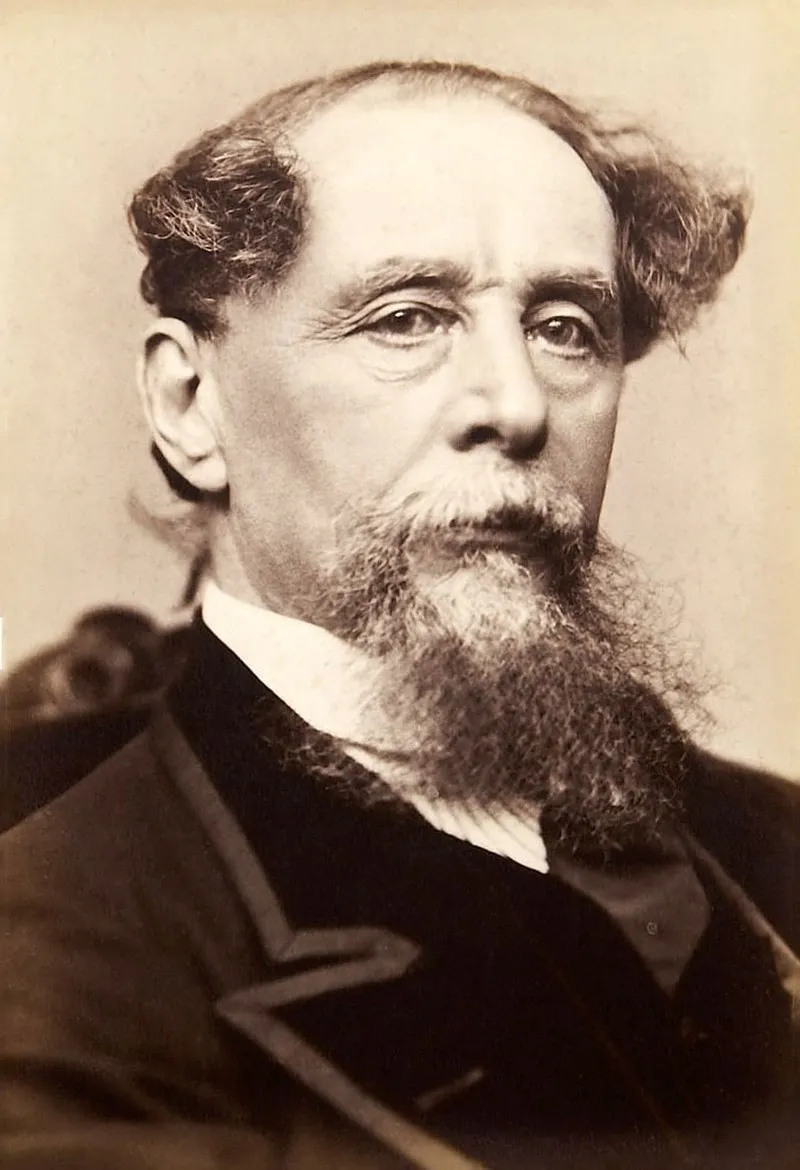 Photo of Charles Dickens, via Wikidata/Wikimedia Commons
The Lesson: Your past pain can become your greatest source of empathy
Dickens' childhood experience working in a boot-blacking factory while his father was imprisoned for debt could have broken him. Instead, it gave him an unshakeable understanding of social injustice and poverty that fueled his greatest works.
From 'Oliver Twist' to 'A Christmas Carol', Dickens transformed his personal experience of hardship into stories that championed the underdog and called for social reform. His pain became his purpose.
5. Virginia Woolf – Illuminating the Darkness
The Challenge: Mental illness and societal constraints
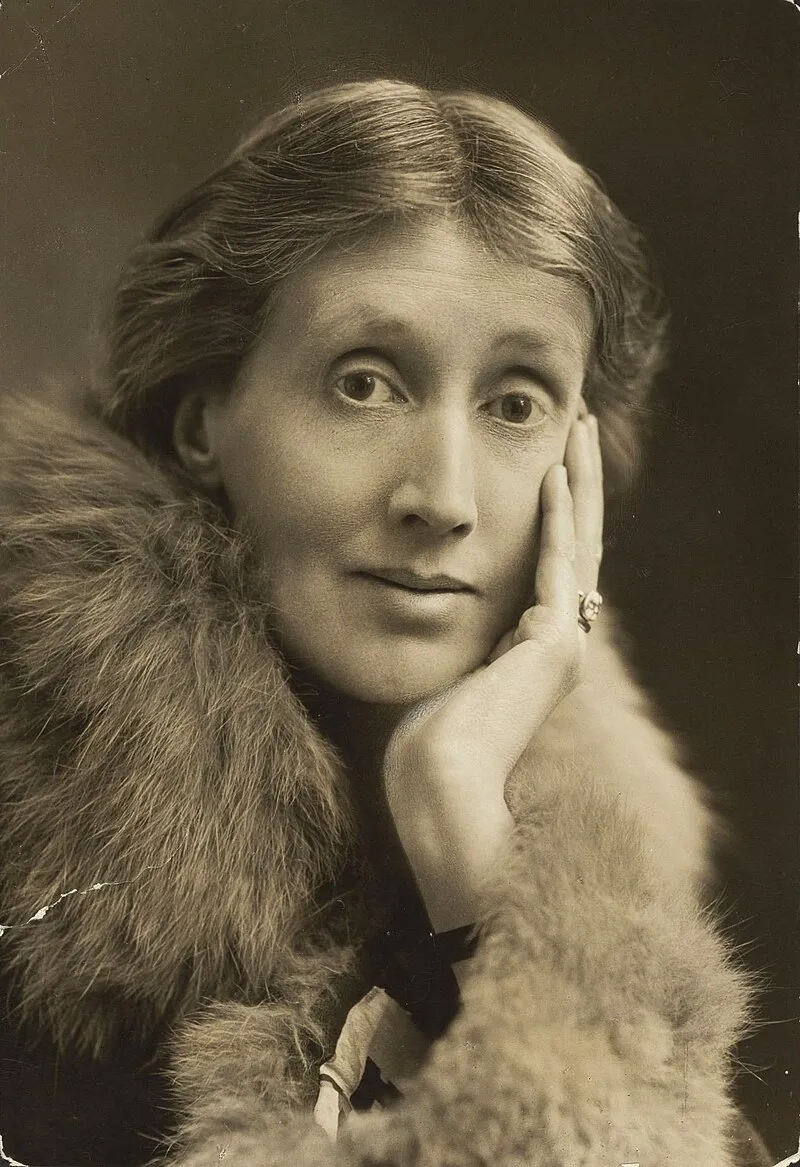 Photo of Virginia Woolf, via Wikidata/Wikimedia Commons
The Lesson: Sensitivity can be a superpower, not just a burden
Woolf's struggles with what we now understand as bipolar disorder could have silenced her voice entirely. Instead, she used her heightened sensitivity to create some of the most innovative and emotionally resonant literature of the 20th century.
Her stream-of-consciousness technique in novels like 'Mrs Dalloway' emerged directly from her intimate understanding of how the mind works in both its brightest and darkest moments.
6. Malorie Blackman – Breaking Barriers with Stories
The Challenge: Racial prejudice and career obstacles
The Lesson: Representation matters, and your story needs to be told
Blackman faced rejection after rejection early in her career, often being told there was 'no market' for stories featuring Black protagonists. Rather than change her vision, she persevered, eventually becoming one of Britain's most celebrated children's authors.
Her 'Noughts and Crosses' series, which reverses racial power structures, emerged from her determination to give young Black readers the heroes they deserved to see in literature.
7. Roald Dahl – Finding Wonder After Loss
The Challenge: Family tragedy and personal loss
The Lesson: Imagination can be a refuge and a gift to others
Dahl's seemingly whimsical children's stories were forged in the crucible of real grief. The death of his seven-year-old daughter Olivia from measles and his son's near-fatal accident profoundly shaped his understanding of childhood's fragility.
Yet rather than become bitter, Dahl channelled his protective love into creating magical worlds where children could be heroes, where justice prevailed, and where wonder was always possible.
8. Agatha Christie – Mystery as Therapy
The Challenge: Divorce, depression, and public scandal
The Lesson: Sometimes solving fictional problems helps us solve real ones
Christie's famous 11-day disappearance in 1926, following her husband's request for divorce, remains a mystery. But what's clear is that she emerged from this dark period with a renewed dedication to her craft.
Her detective fiction became a way of imposing order on chaos, of ensuring that justice prevailed even when life felt unfair. Her methodical approach to plotting mirrored her own process of working through personal turmoil.
9. Graham Greene – Exploring the Human Condition
The Challenge: Depression and spiritual crisis
The Lesson: Questions can be more powerful than answers
Greene's lifelong battle with depression and his complex relationship with faith could have led to cynicism. Instead, they infused his work with a profound understanding of moral ambiguity and human frailty.
Novels like 'The Power and the Glory' and 'The Heart of the Matter' explore how people maintain hope and dignity in impossible circumstances – themes born from Greene's own struggles with despair.
10. Zadie Smith – Navigating Identity and Belonging
The Challenge: Cultural displacement and imposter syndrome
The Lesson: Your complexity is your strength
Smith has spoken openly about feeling caught between worlds – too posh for some, too working-class for others, navigating multiple cultural identities in contemporary Britain. Rather than try to fit into neat categories, she's made this complexity the heart of her fiction.
Her debut novel 'White Teeth' celebrated the beautiful messiness of multicultural Britain, showing readers that belonging doesn't require choosing just one identity.
The Common Thread
What unites all these writers isn't just their British connection or their literary success – it's their refusal to let hardship have the final word. Each found a way to transform personal struggle into universal truth, private pain into shared understanding.
Their stories remind us that creativity can be born from crisis, that our wounds can become the source of our wisdom, and that sometimes the very experiences we'd rather forget become the foundations of our greatest contributions to the world.
As readers and as human beings navigating our own challenges, these authors offer us a profound gift: the knowledge that our struggles don't disqualify us from creating something beautiful – they might just be the very thing that makes our contribution unique and necessary.
So the next time life feels overwhelming, remember these literary lights who found their way through darkness with nothing but words, hope, and the unshakeable belief that every story – even the difficult ones – deserves to be told.