A Revolution in Red Phone Boxes
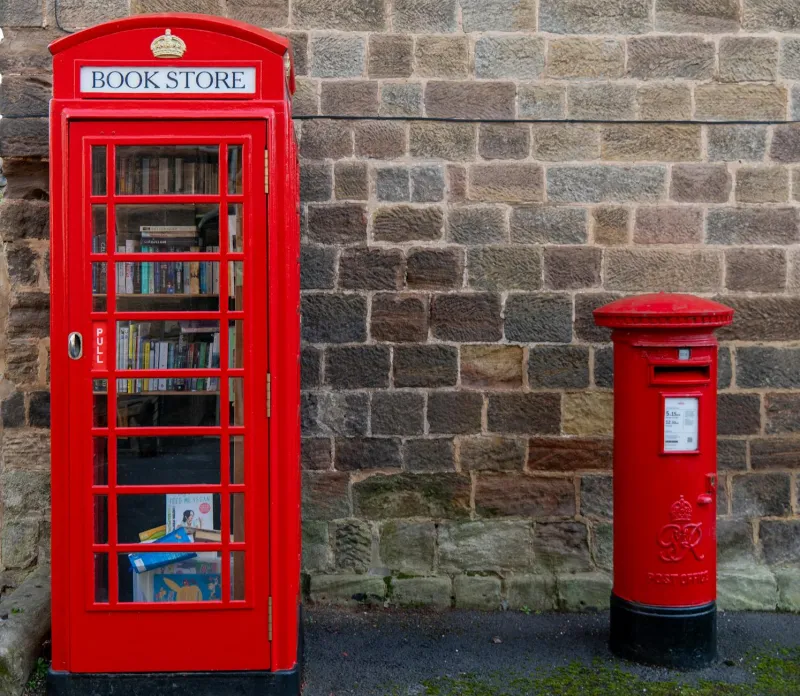
Walk through any British village today, and you might stumble upon something rather magical: a bright red telephone box stuffed not with coins and phone directories, but with dog-eared paperbacks and pristine hardcovers. Welcome to Britain's quiet reading revolution, where decommissioned phone boxes have found new life as community book exchanges.
Sarah Mitchell from Little Hadham in Hertfordshire never expected her adopted phone box to become the village's unofficial meeting point. "I popped in a few Agatha Christie novels and some gardening magazines," she laughs. "Within a week, there were cookbooks, children's stories, even a yoga manual. People started leaving little notes tucked inside the covers—recommendations, thank you messages, sometimes just a smiley face."
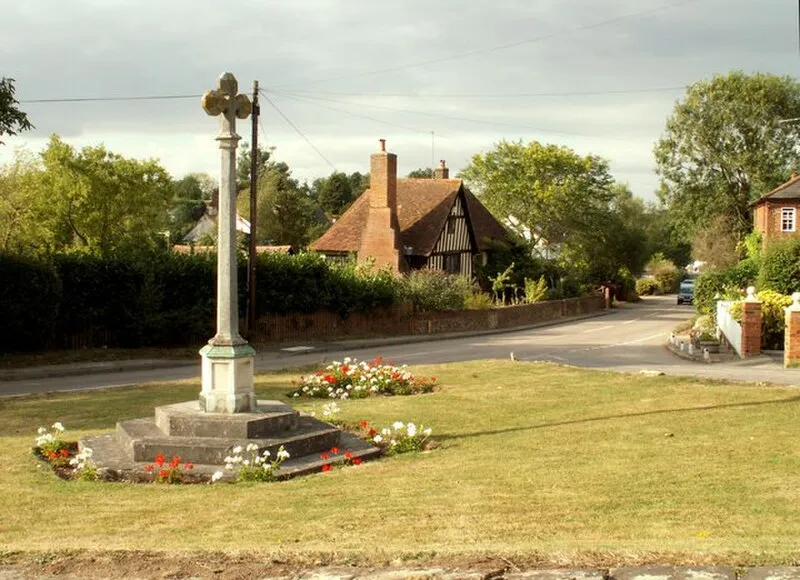 Photo of Little Hadham, via Wikidata/Wikimedia Commons
This phenomenon isn't confined to quaint villages. From the bustling streets of Birmingham to the coastal paths of Cornwall, these informal lending libraries are sprouting up everywhere, each one telling its own story of community spirit.
The Magic Behind the Movement
What started as a practical solution to unwanted books has blossomed into something far more meaningful. These exchanges operate on the beautiful principle of trust—take a book, leave a book, or simply take one when you need it most. No membership cards, no due dates, no late fees. Just stories waiting to find their next reader.
Tom Bradley, who maintains three wooden book boxes across his neighbourhood in Bath, describes the exchanges as "literary serendipity." He explains: "You never know what treasure you'll discover. Last month, I found a poetry collection that completely changed my morning routine. I now start each day with a poem instead of scrolling through my phone."
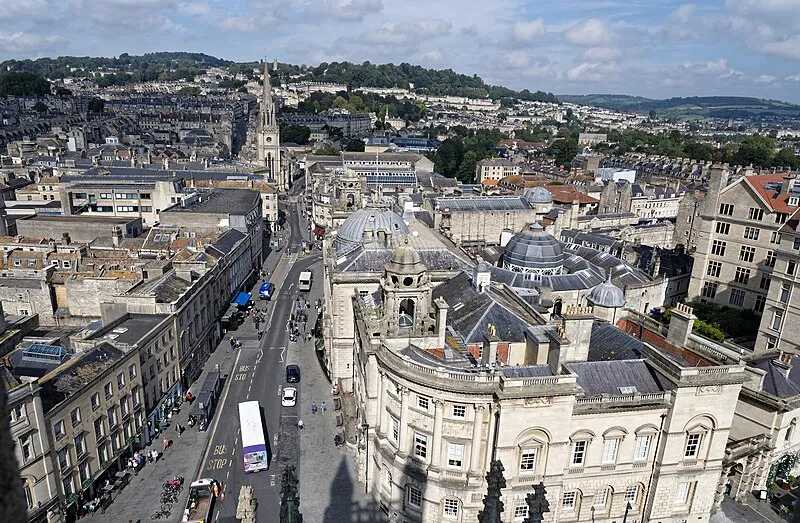 Photo of Bath, via Wikidata/Wikimedia Commons
The beauty lies in the unexpected discoveries. Romance novels nestle beside philosophical texts, children's picture books share space with travel memoirs, and cookery guides sit alongside self-help volumes. It's a delightfully chaotic democracy of literature.
Building Bridges, One Book at a Time
Beyond the books themselves, these exchanges are fostering genuine human connections. In an age where we're more likely to order groceries online than chat with our neighbours, these simple wooden boxes are creating opportunities for conversation.
Mary Thompson, a retired teacher from the Lake District, noticed something wonderful happening around her village's book exchange. "Neighbours who'd never spoken were suddenly discussing their latest reads. Children were excitedly recommending books to elderly residents. It became this lovely web of literary conversation."
 Photo of Lake District, via Wikidata/Wikimedia Commons
The exchanges have also become informal notice boards for community events. Wedding invitations, local fundraiser flyers, and neighbourhood watch updates often find their way into these literary havens, creating a genuine sense of village life.
Tales of Unexpected Kindness
Perhaps most heartwarming are the personal stories emerging from these exchanges. During the challenging months of lockdown, many became lifelines for isolated residents. Books appeared with encouraging notes attached, elderly neighbours found their favourite authors mysteriously restocked, and children discovered new adventures when playgrounds were closed.
James Parker from Gloucestershire shares a particularly touching tale: "My elderly neighbour mentioned she was struggling to find large-print books. The next week, the book exchange was suddenly full of them. No one claimed responsibility, but someone was clearly listening."
These small acts of literary kindness are happening daily across the country. Books appear just when someone needs them most—a cookbook for a new cook, a travel guide for someone dreaming of adventure, or a gentle romance for someone seeking comfort.
The Ripple Effect
What's remarkable about Britain's book exchange movement is how it's inspiring other forms of community sharing. Some villages have expanded to include seed libraries, tool exchanges, and even community puzzle swaps. The principle remains the same: sharing resources strengthens communities.
Local councils are taking notice too. Many are now officially adopting phone boxes for community use, recognising their value as social infrastructure. It's a wonderful example of grassroots initiative influencing policy.
Keeping the Story Alive
As these exchanges continue to flourish, they're creating a new chapter in Britain's long love affair with books. They remind us that in our digital age, there's still something irreplaceably magical about holding a physical book, wondering about its previous reader, and anticipating the joy it might bring to the next person.
Whether housed in a converted phone box, a handmade wooden shelter, or simply a weatherproof container by someone's front gate, these community book exchanges represent something profoundly hopeful. They're proof that when we share what we love—be it stories, kindness, or simply our time—we create connections that enrich entire neighbourhoods.
In a world that often feels divided, these humble collections of books are quietly stitching communities back together, one shared story at a time. And that, perhaps, is the most beautiful story of all.