The Revolution Hidden in Plain Sight
While colleagues queue for meal deals and scroll through social media, a remarkable transformation is taking place in Britain's workplaces. Armed with nothing more than a notepad, laptop, or smartphone, a growing community of office workers is turning their precious lunch breaks into literary gold mines.
Meet Sarah Jenkins, a 34-year-old accountant from Manchester who penned her debut novel entirely during her daily 45-minute breaks. "I'd find the quietest corner of our office building – usually the fire escape landing on the third floor," she laughs. "My colleagues thought I was mad, but that novel is now with agents."
Sarah isn't alone. Across the country, from Glasgow call centres to London's financial district, professionals are discovering that creativity doesn't require perfect conditions – it thrives on constraint.
The Magic of the Ticking Clock
Dr. Emma Patterson, a creative writing lecturer at Birmingham University, explains the phenomenon: "There's something liberating about having a fixed timeframe. When you know you only have thirty minutes, your inner critic switches off, and pure creativity takes over."
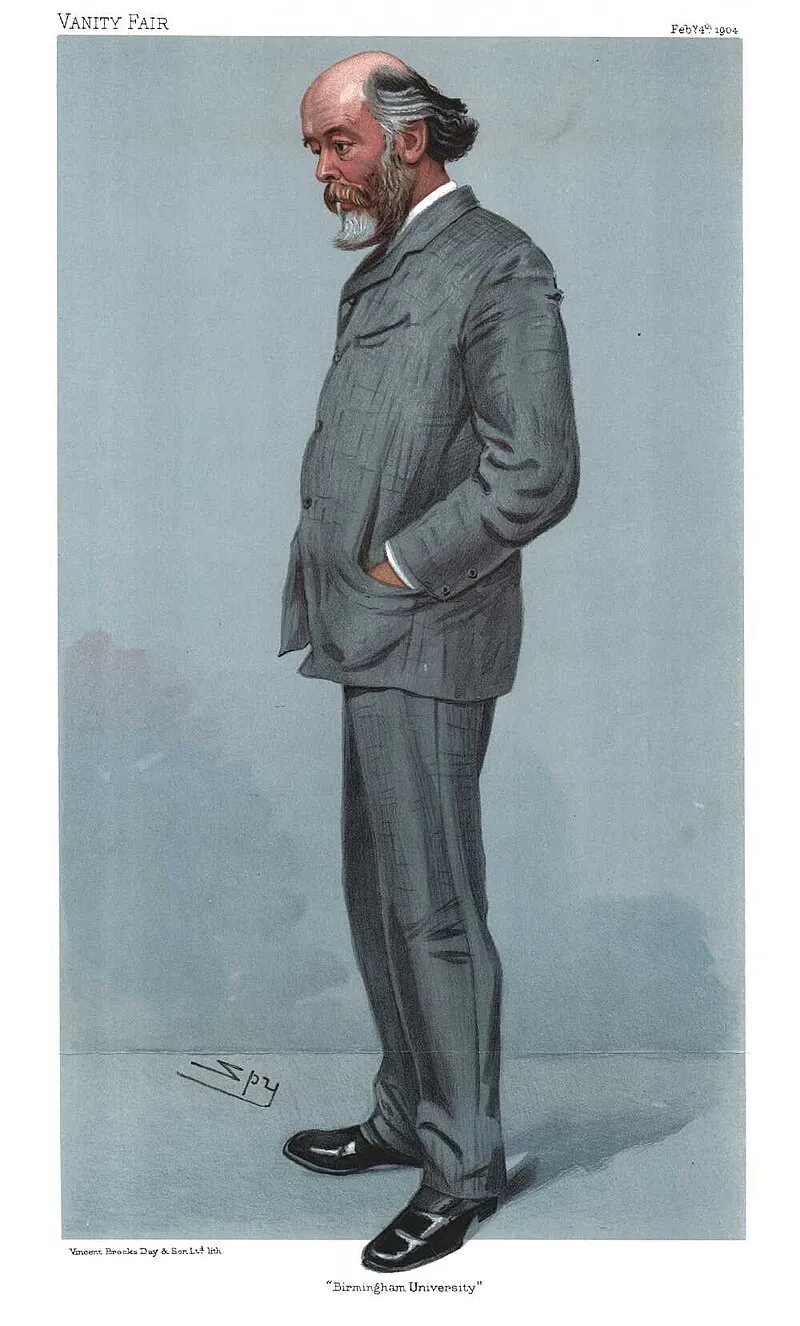 Photo of Birmingham University, via Wikidata/Wikimedia Commons
This sentiment resonates with Tom Bradley, a civil servant from Cardiff who's completed three poetry collections during his lunch hours over the past two years. "The pressure actually helps," he explains. "I can't afford to overthink or second-guess myself. I just write."
Tom's favourite spot? His car in the office car park, where he's crafted verses about everything from Welsh valleys to Monday morning meetings. "My colleagues probably think I'm having a breakdown out there," he chuckles, "but I'm actually having a breakthrough."
Unexpected Sanctuaries
The locations these workplace writers choose are as varied as their stories. Jessica Walsh, a nurse from Edinburgh, discovered that the hospital chapel during her breaks provided the perfect sanctuary for her memoir about working in A&E during the pandemic.
"It's peaceful, and there's something about being surrounded by that sense of hope that just makes the words flow," she says. Her manuscript, written entirely in twenty-minute bursts, has already attracted interest from publishers.
Meanwhile, in Brighton, marketing executive David Chen has transformed his company's unused meeting rooms into his personal writing retreat. "I book 'meetings with myself,'" he grins. "My fantasy novel about office workers who discover they're actually wizards probably wouldn't exist without Conference Room B."
The Community That Grew
What started as solitary pursuits has blossomed into supportive networks. The hashtag #LunchtimeWriters has gained thousands of followers on social media, where writers share daily word counts, celebrate breakthroughs, and offer encouragement during creative blocks.
"We've created virtual writing rooms," explains Rachel Moore, a teacher from Leeds who started a WhatsApp group for local lunchtime writers. "We share our daily goals at 12:30 and check in at 1:15. The accountability is incredible."
The group has grown from five members to over forty, spanning industries from healthcare to hospitality. Several members have gone on to publish their work, while others simply relish the creative outlet their lunch hours provide.
Success Stories Sprouting Everywhere
The results speak for themselves. Mark Thompson, a quantity surveyor from Liverpool, self-published his thriller series after writing during lunch breaks for eighteen months. "I never thought I'd be an author," he admits. "I was just trying to make my lunch hours more interesting."
His books have sold over 10,000 copies, proving that literary success doesn't require a cottage in the Cotswolds or a trust fund – just dedication and thirty minutes of stolen time.
Similarly, Priya Patel, a software developer from Reading, discovered her talent for children's stories while eating sandwiches in her office's quiet zone. Her picture book about a coding cat has now been picked up by a major publisher.
The Ripple Effect
Employers are beginning to notice – and support – this creative movement. Some companies have introduced "creativity corners" and writing groups as part of their wellbeing initiatives, recognising that employees who pursue creative outlets during breaks return to work more energised and innovative.
"It's win-win," says HR director Claire Foster from a tech company in Bristol. "Our people are happier, more creative in their day jobs, and we've got three published authors on our team now. It's brilliant for company culture."
Beyond the Bestsellers
While publication success stories capture headlines, the real magic lies in the daily transformation these writers experience. "It's not about becoming the next bestselling author," reflects Sarah Jenkins. "It's about remembering that I'm more than just my job title. I'm a storyteller, too."
This sentiment echoes across Britain's offices, where thousands of workers are discovering that their lunch breaks can be portals to entirely different worlds – worlds they're creating one stolen moment at a time.
As the movement grows, one thing becomes clear: the most extraordinary stories often begin in the most ordinary places, written by people who refuse to let a busy schedule silence their creative voice. All it takes is a sandwich, a pen, and the courage to believe that thirty minutes can change everything.