The Unexpected Literary Harvest
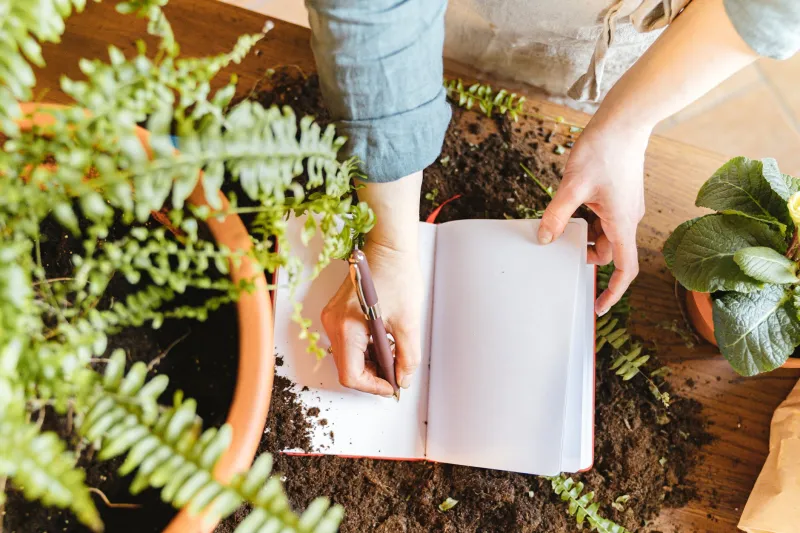
In a modest allotment tucked behind the terraced houses of Sheffield, Margaret Thompson pauses between watering her courgettes to pen another verse in her weathered notebook. The 67-year-old retired teacher never considered herself a poet until she claimed her quarter-acre plot three years ago. Now, her handwritten verses about morning frost and butterfly visitors are as much a part of her gardening ritual as checking the greenhouse thermometer.
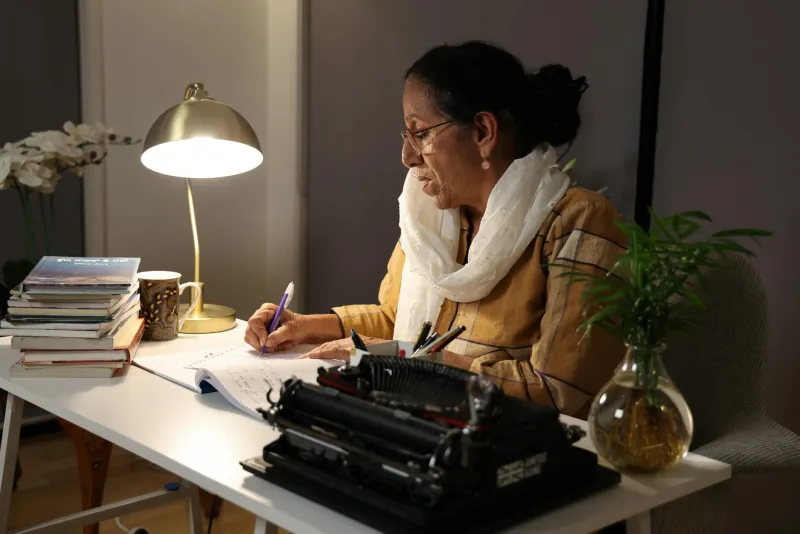
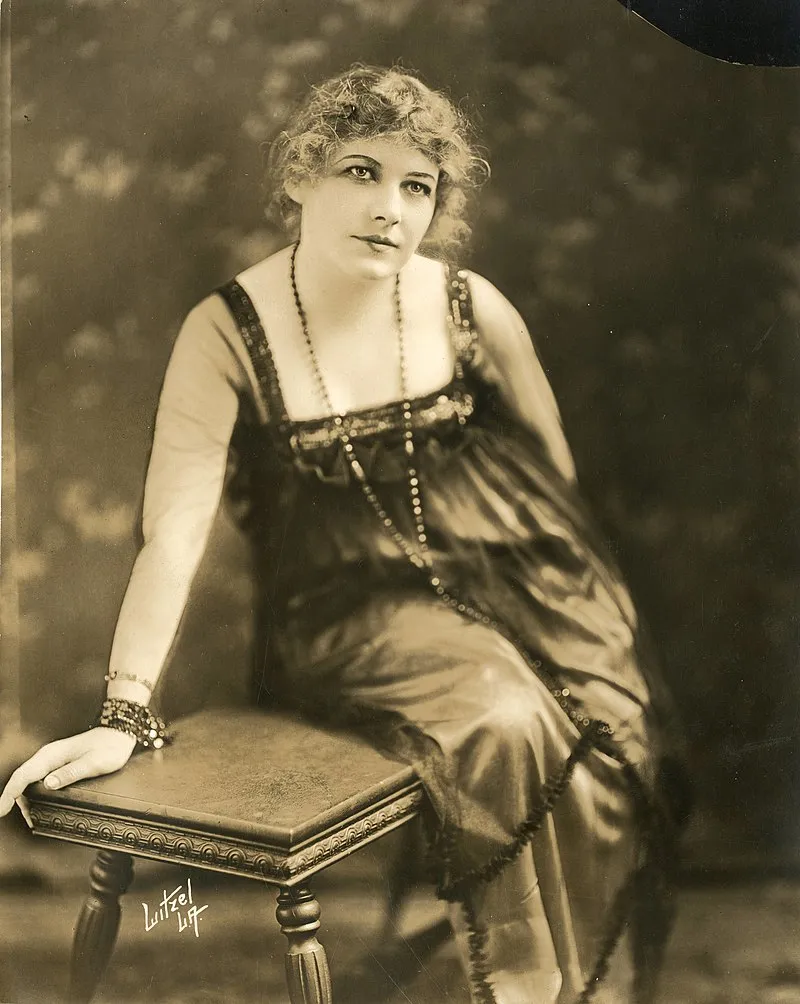 Photo of Margaret Thompson, via Wikidata/Wikimedia Commons
"There's something about having your hands in the soil that opens up your mind," Margaret reflects, brushing earth from her fingers before turning the page. "The words just seem to grow alongside everything else."
Margaret isn't alone in this unexpected literary awakening. Across Britain's 330,000 allotment plots, a quiet creative revolution is taking root. From the suburbs of Birmingham to the coastal communities of Cornwall, gardeners are discovering that tending their patches nurtures not just vegetables, but stories, poems, and an entire ecosystem of neighbourhood narratives.
Where Stories Take Root
The phenomenon began organically, much like the vegetables these writers tend. Sarah Jenkins, who manages the Brookside Allotments in Reading, first noticed the trend when plot holders started leaving handwritten notes alongside their usual exchanges of surplus tomatoes and spare seedlings.
"It started with simple things," Sarah explains, gesturing towards a weathered notice board adorned with laminated poems and sketched observations. "Someone would leave a little verse about their first successful harvest, or a short story inspired by watching the seasons change. Before we knew it, we had a proper community of writer-gardeners."
The connection between gardening and creativity runs deeper than mere coincidence. Dr. Emma Richardson, a psychologist specialising in environmental well-being at the University of Bath, suggests that the meditative nature of gardening creates ideal conditions for creative thinking.
"When we're engaged in repetitive, nurturing activities like weeding or watering, our minds enter a state similar to meditation," she explains. "This mental space allows for the kind of free-flowing thought that's essential to creative expression. Add the sensory richness of a garden environment, and you have a perfect recipe for inspiration."
The Rhythm of Seasons and Stories
For many allotment writers, the natural cycles of growing mirror the arc of storytelling itself. James McCormick, who tends a plot in Edinburgh's Inverleith allotments, has been documenting his garden's journey through handwritten newsletters that he distributes to fellow plot holders.
"Spring is all about beginnings and possibility – just like the opening chapter of a good book," James muses, deadheading his sweet peas. "Summer brings the full bloom of action and drama, autumn offers reflection and harvest, and winter... well, winter is when we retreat indoors to write about it all."
His quarterly newsletter, 'Plotlines', has become so popular that neighbouring allotment sites have requested copies. The publication features everything from growing tips written in verse to serialised stories about the adventures of a particularly characterful robin who frequents the compost bins.
Community Connections Through Creativity
What makes this movement particularly special is how it's strengthening community bonds. At the Woodland View Allotments in Bristol, plot holder diversity has never been higher, with writers from all backgrounds finding common ground through shared stories.
Amina Hassan, a software developer who moved to Bristol from London, credits the allotment's informal writing group with helping her feel truly at home in her new city. "I started sharing little observations about city gardening versus countryside growing," she says, harvesting herbs for her evening meal. "Soon, I was swapping stories with retired teachers, young parents, and fellow newcomers. The writing gave us something deeper to connect over than just comparing our beetroot sizes."
The community aspect extends beyond individual allotments. Social media groups dedicated to 'allotment literature' are flourishing, with gardener-writers sharing photographs of their handwritten verses nestled among vegetable rows, creating a visual poetry that celebrates both cultivation and creativity.
Nurturing Tomorrow's Harvest
As this movement grows, many sites are formalising their literary activities. The National Allotment Society reports increasing requests for advice on establishing writing groups and literary exchanges. Some sites now host monthly 'story swaps' alongside their traditional seed swaps, while others have installed weatherproof poetry posts where visitors can leave and discover verses.
For Margaret Thompson back in Sheffield, the integration of writing and growing has become inseparable from her well-being routine. "People ask if I garden to write or write to garden," she says, settling onto her handmade bench with notebook in hand. "But that's missing the point entirely. They're the same thing – both are about nurturing something from nothing, about patience and hope and the beautiful surprise of what emerges."
As Britain's allotment storytellers continue to tend both their plots and their prose, they're proving that creativity, like the best gardens, flourishes not in isolation but in community. In an age of digital distraction, these quiet patches of land are cultivating something increasingly precious: the simple joy of handwritten words shared between neighbours, stories that grow as naturally as the vegetables that inspire them.
Growing Forward
The allotment storytelling movement represents more than a charming hobby – it's a testament to humanity's enduring need for both creativity and connection with the natural world. As more Britons seek meaningful ways to spend their leisure time, these humble plots offer a template for combining practical skills with artistic expression.
In gardens across the nation, between the rows of runner beans and beneath the apple trees, a new chapter in British community life is being written – one handwritten page at a time.