When Books Become Medicine for the Soul
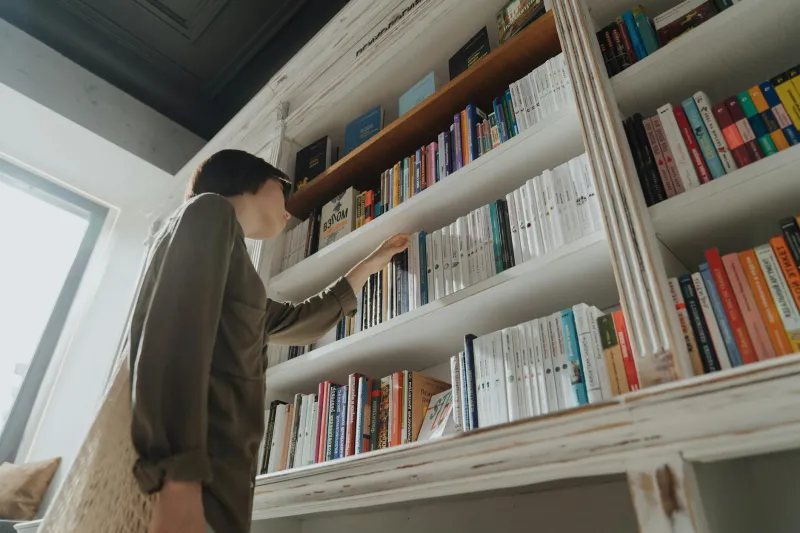
Sarah Jenkins stands before her carefully curated bookshelf in her Brighton flat, running her finger along the spines. But this isn't just any bookshelf – it's her 'emotional library', organised not by author or genre, but by the feelings each book evokes. "When I'm anxious, I reach for The House in the Cerulean Sea," she explains. "When I need courage, it's Circe. And when I want pure joy? The Thursday Murder Club every time."
 Photo of Brighton, via Wikidata/Wikimedia Commons
Sarah isn't alone in this approach. Across Britain, a growing movement of readers are revolutionising the way they choose their next book, prioritising emotional connection over bestseller lists or literary acclaim. This practice, known as 'mood reading', is transforming not just what we read, but how we feel about ourselves and the world around us.
The Rise of the Bliss Shelf
In independent bookshops from Cornwall to the Highlands, a new fixture is appearing: the 'bliss shelf'. These carefully curated sections feature books chosen specifically for their ability to lift spirits, offer comfort, or provide gentle escapism.
James Morrison, owner of Serendipity Books in Bath, introduced his bliss shelf six months ago after noticing customers asking for "something that won't make me cry" or "a book that feels like a warm hug". "People were tired of doom scrolling and heavy news cycles," he observes. "They wanted literature that nourished rather than drained them."
 Photo of Bath, via Wikidata/Wikimedia Commons
The shelf features colour-coded recommendation cards: yellow for books that spark joy, blue for calming reads, and green for stories that inspire hope. The response has been overwhelming, with sales from the bliss shelf accounting for nearly thirty percent of the shop's fiction sales.
The Science Behind Soulful Reading
Dr. Emma Hartwell, a reading therapist based in Manchester, explains the psychological benefits of mood-based reading choices. "When we match our reading to our emotional needs, we're essentially practising a form of bibliotherapy," she says. "Books can regulate our emotions, provide coping strategies, and offer perspective during difficult times."
Research conducted by the University of Liverpool found that readers who consciously chose books based on their current emotional state reported higher levels of life satisfaction and improved stress management. The study followed 200 participants over six months, comparing those who read randomly with those who practised intentional mood reading.
"The mood readers developed a more nuanced understanding of their own emotional needs," explains lead researcher Dr. Michael Chen. "They became more self-aware and better at self-care, using books as tools for emotional regulation rather than mere entertainment."
Creating Your Own Emotional Reading Map
London-based book blogger Rebecca Walsh has taken mood reading to the next level, creating what she calls an 'emotional reading map' – a visual guide that helps her navigate her book choices based on her mental state.
"I have different pathways depending on whether I'm feeling overwhelmed, lonely, uninspired, or just need a good laugh," she explains. "For overwhelm, I might choose a gentle nature memoir. For loneliness, it's always a book with strong friendships. When I'm uninspired, I reach for stories about people following their dreams."
Rebecca's approach has inspired thousands of followers on her Instagram account @BooksByMood, where she shares weekly recommendations based on common emotional needs. Her followers regularly share how specific book recommendations have helped them through difficult periods or enhanced joyful moments.
Libraries Leading the Charge
Public libraries across the UK are embracing this trend with innovative programmes. Birmingham Central Library's 'Reading Prescription' service allows visitors to consult with trained volunteers who recommend books based on current life circumstances or emotional needs.
 Photo of Birmingham Central Library, via Wikidata/Wikimedia Commons
Librarian Sophie Chen describes how the service works: "We don't just ask what genres people like. We ask how they're feeling, what they're going through, what kind of emotional journey they want to take. Sometimes someone needs validation, sometimes escape, sometimes inspiration to make a change."
The service has been so successful that it's being rolled out to twelve other libraries across the West Midlands, with plans for national expansion.
The Joy of Intentional Reading
What makes mood reading particularly powerful is its emphasis on intentionality. Rather than grabbing whatever book catches the eye, practitioners spend time considering their emotional needs and choosing accordingly.
"It's like choosing the right playlist for your mood, but for books," explains Tom Davies, a teacher from Cardiff who's been mood reading for two years. "I've discovered authors I never would have tried, and I've developed a much deeper relationship with reading. It's become a form of self-care."
Building Your Bliss Collection
For those inspired to try mood reading, experts suggest starting small. Create distinct sections in your bookshelf or reading list for different emotional needs: comfort reads for difficult days, inspiring stories for when motivation is low, and pure escapism for when reality feels too heavy.
Bookshop owner James Morrison recommends keeping a reading journal to track how different books affect your mood. "Over time, you'll start to see patterns," he says. "You'll discover which authors consistently lift your spirits or which types of stories help you process difficult emotions."
A Literary Revolution of Kindness
As Britain navigates uncertain times, this gentle revolution in reading habits offers something precious: the recognition that books can be medicine, that stories can heal, and that choosing what we read with intention and care is an act of self-love.
The mood reading movement reminds us that in a world full of noise and negativity, we have the power to curate our inner landscape through the simple act of choosing the right book at the right time. It's a reminder that sometimes, the most radical thing we can do is be gentle with ourselves – one page at a time.