The Unsung Heroes of Our High Streets
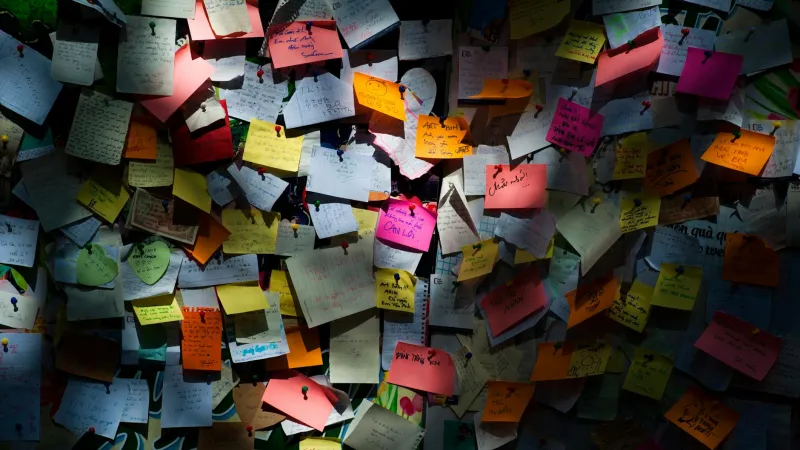
There's something beautifully old-fashioned about a community noticeboard—cork surfaces weathered by countless drawing pins, edges curling with age, messages layered like archaeological deposits of human kindness. Yet in our digital age, these humble fixtures have become something quite remarkable: beacons of hope in an increasingly disconnected world.
Walk past any village hall, community centre, or local supermarket across Britain, and you'll likely find one. But look closer—really look—and you'll discover they're hosting a quiet revolution of human connection that would make any social media algorithm weep with envy.
Beyond Lost Cats and Car Boot Sales
"I never expected a simple 'thank you' note to change my entire perspective on our neighbourhood," says Margaret Thompson, a retired teacher from Hebden Bridge. She's referring to a handwritten message that appeared on her local library's noticeboard last autumn—a heartfelt thank-you from a young mother whose pushchair had been helped up the library steps by an unknown stranger.
"It wasn't just the gratitude," Margaret explains, "it was the ripple effect. Within days, that board was covered with similar stories. People sharing moments of kindness they'd witnessed, others offering help they could provide. It was like watching a community remember itself."
This phenomenon isn't isolated to Yorkshire's valleys. From the Highlands of Scotland to Cornwall's coastal villages, Britain's noticeboards are experiencing what community researchers are calling a "kindness renaissance."
The Art of Analogue Connection
Dr. Sarah Mitchell, who studies community psychology at Bristol University, believes there's something profound happening here. "Digital communication, for all its convenience, lacks the tangible intimacy of handwritten notes," she observes. "When someone takes time to write by hand, pin it up in a public space, and trust that the right person will see it, they're performing an act of faith in their community."
The evidence is everywhere. In Totnes, Devon, a noticeboard outside the local health centre has become a gallery of gratitude, where patients leave anonymous thank-you notes for NHS staff. In Glasgow's West End, a café's board features a "Good Deed Diary" where locals document random acts of kindness they've witnessed.
Stories That Restore Faith
Perhaps most moving are the unexpected friendships these boards foster. Take the story from Margate, where an elderly gentleman's note requesting help with his weekly shopping led to a friendship with a young family that now spans two years. "Dad was so lonely after Mum died," shares his daughter, Emma. "That simple note on the community centre board didn't just get his shopping done—it gave him a new lease on life."
In the Lake District, a noticeboard at a village post office has become the hub for what locals call "The Kindness Circle." Started by a retired headmaster offering free maths tutoring, it's evolved into a network where skills, time, and compassion flow freely between strangers who've become friends.
The Psychology of Public Gratitude
There's something particularly British about this phenomenon—our natural reticence makes public displays of gratitude all the more powerful. "We're not naturally demonstrative," admits James Fletcher, who maintains the noticeboard at his local parish church in the Cotswolds. "But put a pen in someone's hand and a cork board in front of them, and suddenly they're poets of appreciation."
The boards serve as repositories of what researchers term "social proof"—evidence that kindness exists and matters. When people see gratitude expressed publicly, it normalises both giving and receiving help, creating what psychologists call a "prosocial cascade."
Beyond Words: The Ripple Effects
The impact extends far beyond the boards themselves. Communities report increased volunteering, more neighbourhood watch participation, and what local councillors describe as a "warmer social temperature." In Shrewsbury, a noticeboard campaign thanking local key workers during the pandemic evolved into a permanent community support network.
"It's like watching trust rebuild itself, one note at a time," observes community worker Lisa Patel from Birmingham. "People start believing in their neighbours again. They remember that most folks are fundamentally good."
The Future of Analogue Kindness
As Britain grapples with social isolation and digital fatigue, these noticeboards offer something precious: proof that human connection doesn't require wifi or algorithms. They remind us that community building can be as simple as a thumbtack and a heartfelt message.
In an age of instant communication, there's something beautifully deliberate about walking to a noticeboard, taking time to read what others have shared, and perhaps adding your own voice to the chorus. It's mindfulness in action, community building at walking pace.
A Call to Look Closer
Next time you pass a community noticeboard, pause for a moment. Look beyond the adverts for piano lessons and the notices about parish meetings. You might just discover a treasure trove of human kindness that restores your faith in the simple magic of neighbours caring for neighbours.
After all, in a world that often feels fractured and fast-paced, perhaps what we need most are these quiet spaces where gratitude can take root and flourish, one handwritten note at a time.