The Power of a Perfect Match
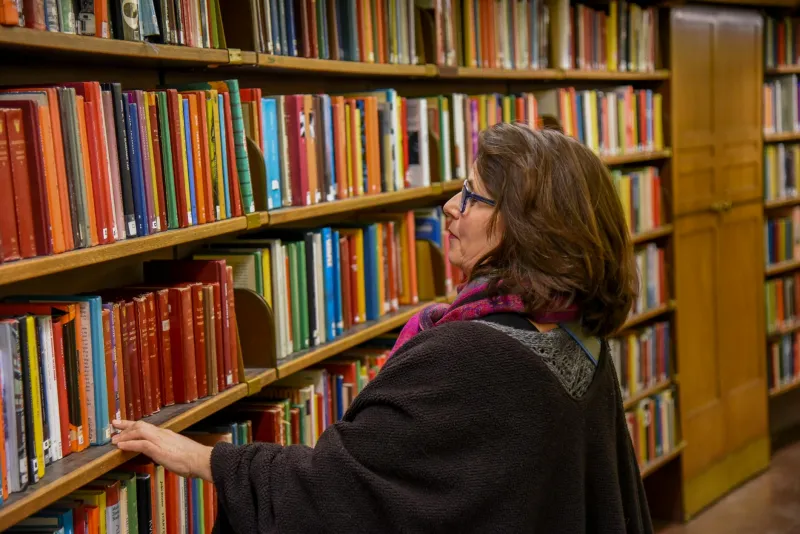
In a small room tucked away in the corner of Manchester Royal Infirmary, Margaret Thompson carefully arranges a trolley of books. She's not a doctor or nurse, but her rounds through the wards might be just as healing. As one of Britain's growing army of volunteer librarians, Margaret has spent the past five years matching patients with stories that speak to their hearts when they need it most.
 Photo of Margaret Thompson, via Wikidata/Wikimedia Commons
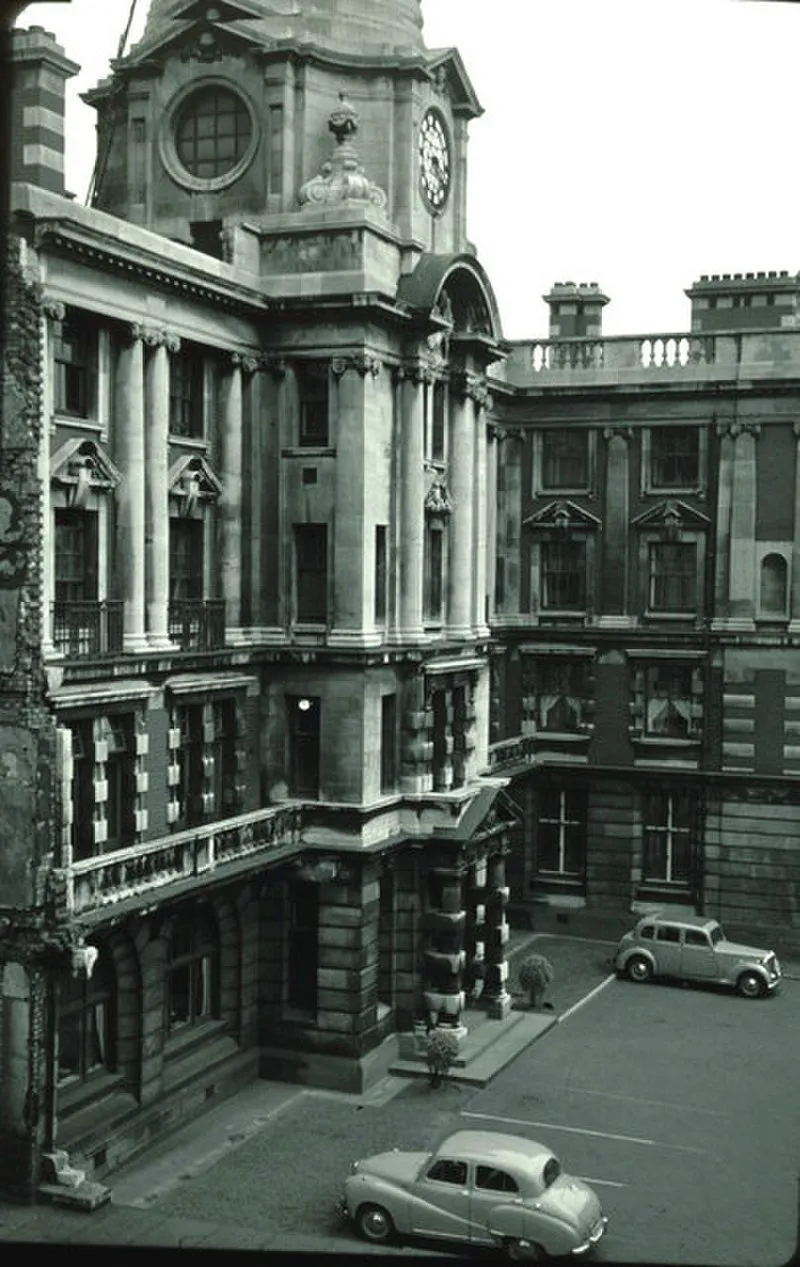 Photo of Manchester Royal Infirmary, via Wikidata/Wikimedia Commons
"It's never really about the book itself," she explains, adjusting a well-worn copy of The Secret Garden. "It's about finding that one story that reminds someone they're not alone."
Margaret is part of a remarkable movement sweeping across the UK, where volunteers are transforming libraries from simple book repositories into sanctuaries of human connection. These modern-day literary matchmakers work in hospitals, care homes, community centres, and shelters, armed with an intuitive understanding that the right narrative can provide comfort in ways that conventional support sometimes cannot reach.
Beyond the Dewey Decimal System
The role of these volunteer librarians extends far beyond traditional cataloguing. Take Sarah Jenkins, who runs a weekly book service at Sunshine Care Home in Cardiff. Rather than simply wheeling a trolley of random titles through the corridors, Sarah spends time getting to know each resident's story.
"Mrs Davies was a teacher for forty years, but she's struggling with early-stage dementia," Sarah shares. "I found her a collection of children's poetry she used to read to her classes. When she recites those familiar verses, you can see her come alive again."
This personalised approach is becoming the hallmark of volunteer library services across Britain. In Birmingham, volunteer coordinator James Patterson has developed what he calls "bibliotherapy rounds" at the local community centre, where he matches books to people's emotional needs rather than their stated preferences.
"Someone might ask for a thriller, but what they really need is a story about resilience," James explains. "It's about reading between the lines of what people are actually telling you."
Stories as Medicine
The therapeutic power of literature isn't lost on these volunteers. Many have witnessed firsthand how the right story can provide solace during life's most challenging chapters. At St. Bartholomew's Hospital in London, volunteer librarian Emma Foster recalls a particularly moving encounter with a young father undergoing cancer treatment.
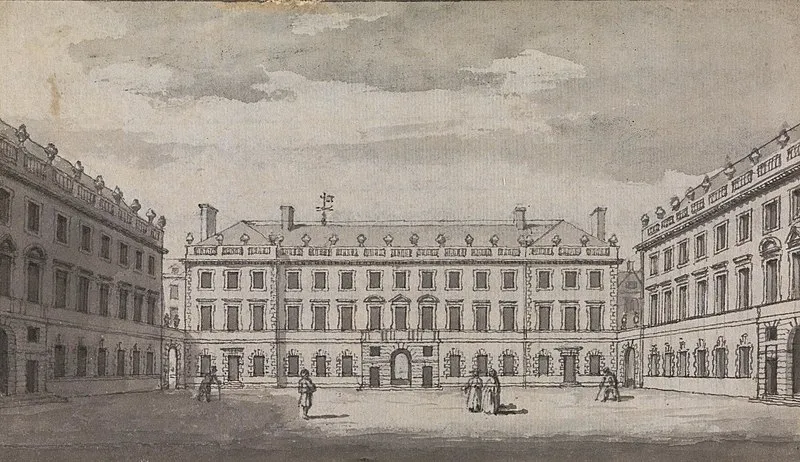 Photo of St. Bartholomews Hospital, via Wikidata/Wikimedia Commons
"He'd barely spoken to anyone for weeks," Emma remembers. "But when I mentioned I had a book about a dad teaching his son to build model aeroplanes, his whole demeanour changed. We ended up talking for an hour about his own childhood memories of making things with his father."
These moments of connection often surprise the volunteers themselves. What begins as a simple book recommendation frequently blossoms into meaningful conversations about life, loss, hope, and healing. The books become bridges, creating space for people to share stories they might otherwise keep locked away.
The Quiet Revolution
Across the country, these volunteer programmes are expanding rapidly. The Royal Voluntary Service reports a 40% increase in library volunteer applications over the past three years, with particular growth in healthcare settings. Libraries themselves are adapting, with many training volunteers specifically for outreach work in challenging environments.
In Liverpool, the central library has partnered with local hospices to create what they call "comfort collections" – carefully curated sets of books designed for people facing end-of-life care. Volunteer coordinator Helen McKenzie explains the philosophy: "We're not trying to distract people from their reality. We're trying to help them find beauty and meaning within it."
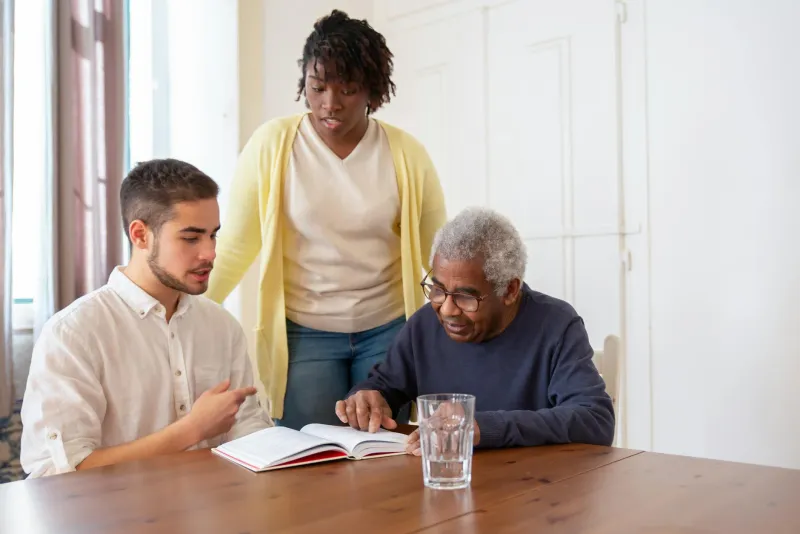
The impact extends beyond individual interactions. Care home staff report that residents who participate in volunteer library programmes show improved mood and increased social interaction. Hospital patients often request specific volunteers, forming bonds that provide emotional support throughout their treatment.
Finding Purpose in Pages
For the volunteers themselves, this work offers profound rewards. Many describe feeling more connected to their communities and discovering new purpose in retirement or alongside their regular careers. Margaret Thompson, now 68, says her volunteer library work has enriched her own life immeasurably.
"I thought I'd be giving people books," she reflects. "Instead, they've given me a deeper understanding of what stories can do. Every person I meet teaches me something new about the power of literature to heal."
The volunteers often speak of learning as much as they give. Their work requires empathy, patience, and an intuitive understanding of human nature – skills that develop through practice and genuine care for others' wellbeing.
A Movement Built on Compassion
What makes these volunteer librarians special isn't just their love of books – it's their recognition that literature can be a form of companionship. In an age of increasing isolation, particularly among elderly and vulnerable populations, these volunteers provide both stories and human connection.
Their work represents something beautifully simple yet profound: the belief that everyone deserves access to stories that speak to their soul, especially during life's most difficult moments. Through their quiet dedication, they're proving that sometimes the most powerful medicine comes not in bottles or pills, but in the pages of a book chosen with love and understanding.
In communities across Britain, these unsung heroes continue their gentle work, one perfectly matched story at a time, reminding us all that literature's greatest gift isn't entertainment – it's the comfort of knowing we're never truly alone.