The Art of Edible Entertainment
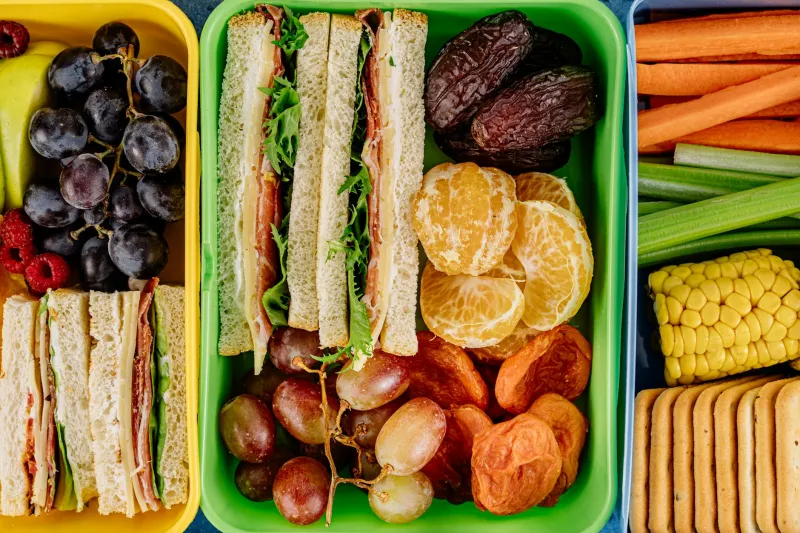
Whilst most children expect nothing more than a sandwich and an apple in their lunchbox, thousands of British youngsters are discovering something rather more magical tucked between their crisps and carrot sticks. Meet the lunchbox letter writers – the creative parents transforming ordinary school meals into daily doses of storytelling wonder.
Sarah Henderson from Nottingham began the tradition when her seven-year-old daughter Mia started feeling anxious about Year 2. "I popped a tiny note into her lunchbox saying 'You're braver than a dragon and cleverer than a wizard,'" Sarah recalls. "When she came home absolutely beaming, telling everyone about her special message, I knew I was onto something special."
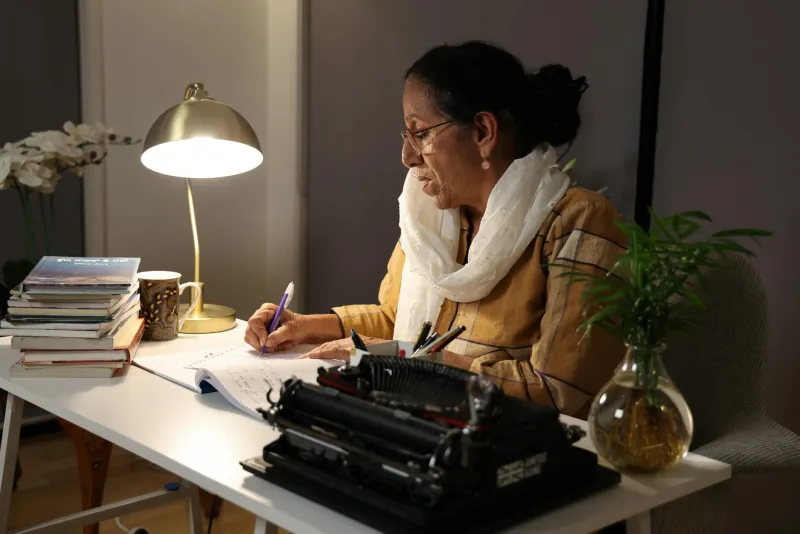
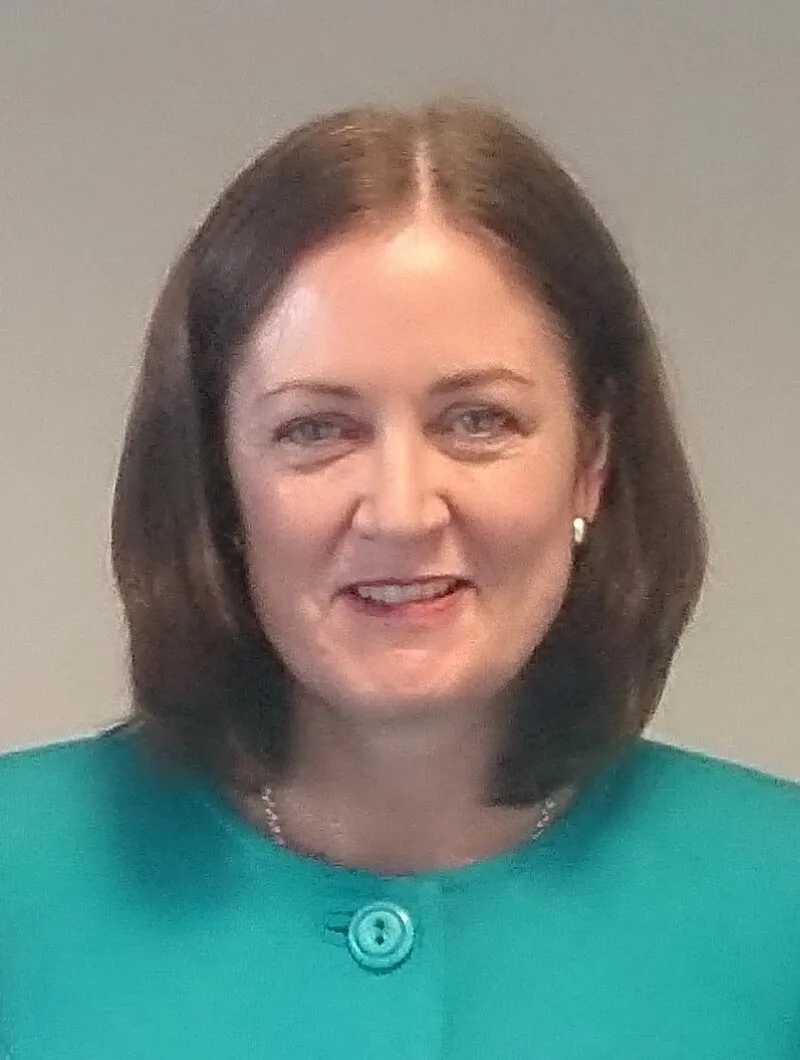 Photo of Sarah Henderson, via Wikidata/Wikimedia Commons
What started as a simple confidence boost has evolved into an elaborate daily ritual. Sarah now crafts miniature adventures featuring Mia as the protagonist – tales of brave princesses, clever detectives, and magical creatures that unfold chapter by chapter throughout the school week.
From Napkin Novels to Pocket Poetry
Across the country, parents are discovering their inner storytellers. In Edinburgh, marketing executive James MacLeod writes haikus on his son's banana peels using food-safe markers. "It started as a joke," he laughs, "but now Callum's friends gather round to hear his 'banana poetry' every day."
Meanwhile, in Cornwall, artist Lucy Tremaine creates illustrated micro-stories on napkins, complete with watercolour sketches. Her twin daughters, aged nine, have become local celebrities in their primary school, with classmates eagerly awaiting each day's napkin narrative.
"The stories are usually just three or four sentences," Lucy explains, "but they feature the girls as heroines solving mysteries around our village. Last week, they helped a lost seal find its way back to the sea. The week before, they discovered a fairy village in our back garden."
The Science Behind the Stories
Child development specialist Dr. Emma Richardson from the University of Cambridge has been studying this phenomenon with growing fascination. "These lunchbox stories serve multiple developmental purposes," she explains. "They provide emotional security during the school day, foster creativity, and crucially, they demonstrate that storytelling is a natural part of daily life, not just something that happens at bedtime."
Dr. Richardson's research suggests that children who receive regular story-based communications from parents show increased confidence in creative writing tasks and demonstrate stronger emotional resilience during challenging school situations.
"When a child opens their lunchbox and finds a personalised story, they experience a moment of pure connection with home," she notes. "It's like receiving a warm hug in narrative form."
Building Tomorrow's Storytellers
The impact extends far beyond the school dining hall. Many families report that their children have begun writing their own stories in response, creating an ongoing family narrative exchange.
Ten-year-old Oliver from Manchester started leaving reply stories in his mum's handbag after she'd been surprising him with lunchbox tales for six months. "Mum writes about my adventures at school," he explains, "so I write about her adventures at work. Last week, I made her the star of a story where she saved her office from an invasion of photocopying robots."
His mother, Rebecca, keeps every single story. "They're absolutely hilarious and surprisingly insightful," she says. "Oliver's stories have given me a completely new perspective on how children view the adult world."
Creating Your Own Lunchbox Literature
For parents inspired to begin their own lunchbox storytelling tradition, the key is starting small and staying consistent. Educational consultant Maria Santos, who runs creative writing workshops for families, suggests beginning with simple two-sentence stories featuring the child as the main character.
"Don't worry about being the next Roald Dahl," she advises. "Children are far more interested in seeing themselves as heroes than in perfect prose. A story about how your daughter helped a lost butterfly find its family will mean infinitely more to her than the most beautifully crafted tale about strangers."
The Ripple Effect
Perhaps most remarkably, these intimate family traditions are beginning to influence classroom culture. Teachers across Britain report increased enthusiasm for creative writing activities, with children often requesting to share their lunchbox stories during show-and-tell sessions.
"The children who receive lunchbox stories seem to approach creative tasks with more confidence," observes Year 4 teacher Helen Wright from a primary school in Bath. "They understand that stories can be small, personal, and meaningful. It's revolutionising how they think about their own writing."
As Britain navigates an increasingly digital world, these analogue moments of connection remind us that sometimes the most powerful stories come in the smallest packages. In school canteens across the nation, children are learning that love can be written on a Post-it note, adventure can fit on a napkin, and magic really can be found in the most ordinary moments of the day.
After all, isn't that what the very best stories have always done – transform the everyday into something extraordinary, one word at a time?