Hidden Messages of Hope: The Secret Letter Writers Filling Britain's Books with Kindness
The Letter That Changed Everything
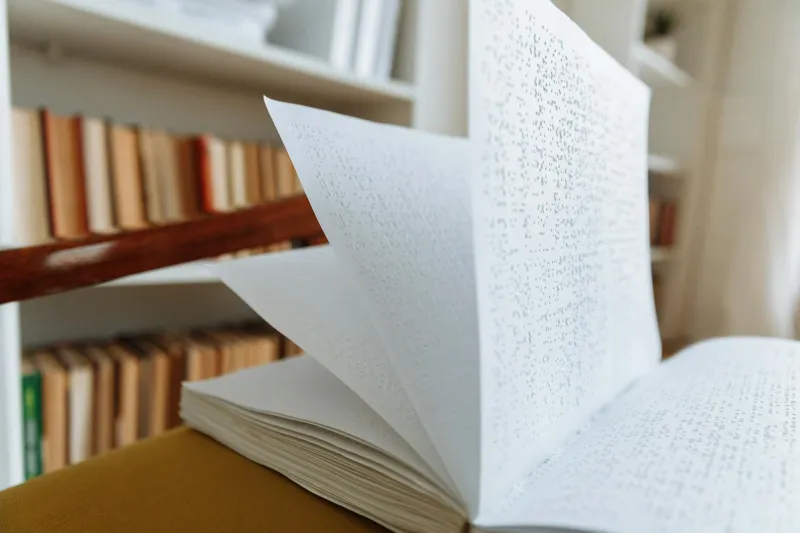
When Rachel Foster opened a dog-eared copy of Jane Eyre she'd picked up from a charity shop in Bath, she wasn't expecting to find anything more than Charlotte Brontë's timeless words. But tucked between pages 127 and 128 was a handwritten note that would change her entire perspective on a particularly difficult period in her life.
 Photo: Rachel Foster, via nintendoeverything.com
"Dear fellow reader," the note began, "If you're reading this, you've chosen a story about someone who refused to give up despite everything life threw at her. Perhaps you need that reminder today too. Whatever you're facing, you're stronger than you know. With love from a stranger who believes in you."
Rachel, who had been struggling with unemployment and a recent breakup, found herself in tears in the charity shop aisle. "It was like the universe had sent me exactly what I needed to hear," she recalls. "Someone I'd never met had taken the time to reach out across time and space to offer comfort to a complete stranger."
The Movement Behind the Messages
Rachel's experience isn't unique. Across Britain, a quiet movement of letter writers is transforming the simple act of book browsing into something approaching magic. From Oxfam shops in Oxford to library book sales in Glasgow, handwritten notes are appearing between pages, carrying messages of hope, encouragement, and human connection.
The practice, which participants have dubbed "book blessing," operates on a beautifully simple principle: leave a note for a future reader who might need exactly what you have to offer.
Mary Thornton, a retired teacher from Norwich, has been placing letters in books for over three years. "I started during lockdown," she explains, carefully writing another note at her kitchen table. "I felt so helpless, watching the news, knowing people were struggling. But I realised I could do something small that might make a real difference."
 Photo: Mary Thornton, via i1.wp.com
The Art of Anonymous Kindness
What makes these letters so powerful is their anonymity. Writers never know who will find their words, and readers rarely discover who left them. This creates a pure form of altruism that transcends typical social interactions.
Dr. Sarah Jenkins, a psychology lecturer at the University of Leeds, has been studying the phenomenon. "There's something particularly powerful about anonymous kindness," she notes. "The recipient knows the gesture comes from genuine care rather than any expectation of recognition or reciprocal kindness."
 Photo: University of Leeds, via cdn.universitycompare.com
The letters themselves vary enormously. Some are brief encouragements—"You matter more than you know"—while others share longer reflections on life, literature, or hope. Many writers match their messages to the books they choose.
In a copy of The Alchemist found in a Waterstones in Edinburgh, one reader discovered: "Paulo Coelho writes about following your dreams, but sometimes the hardest part is believing we deserve to pursue them. You do. Your dreams matter. Start small, start today."
Stories of Connection Across Distance
Sometimes, these anonymous exchanges create unexpected chains of kindness. In Manchester, university student Priya Patel found a note in a copy of Beloved that encouraged her to "trust in your own voice." Inspired, she began leaving her own notes, starting a tradition among her flatmates.
"We have a whole shelf of books we've 'blessed' before donating," Priya explains. "It's become this beautiful ritual—we each write a note based on what the book meant to us, hoping it might offer the same comfort to someone else."
The practice has evolved beyond individual efforts. Online communities have formed where letter writers share photos of their notes (before placing them) and readers share stories of letters they've found. The Facebook group "Book Blessings UK" has over 15,000 members.
The Science of Serendipity
What's fascinating is how often these letters seem to find exactly the right person at the right moment. Clinical psychologist Dr. James Morrison suggests this isn't pure coincidence.
"When we're going through difficult times, we become more attuned to messages of hope," he explains. "We might walk past a dozen books, but we're drawn to the one that speaks to our current situation. The letters work because they combine this natural selection process with the human need for connection."
This phenomenon is evident in the story of Tom Bradley, a lorry driver from Hull who discovered a note while browsing books during a particularly lonely stretch of long-distance driving.
"The note said something like, 'For the traveller reading this far from home: you're carrying more than cargo—you're carrying the hopes and needs of communities. Your work matters, and so do you.'" Tom's voice catches slightly as he recalls the moment. "I'd been questioning whether my life had any real purpose. That note reminded me it did."
The Writers' Perspective
For those who write the letters, the practice offers its own rewards. Margaret Sinclair, a widow from Aberdeen, began leaving notes after her husband's death as a way to channel her grief into something positive.
"Writing those letters gives me purpose," she explains. "I can't know if they help, but the possibility that they might—that someone, somewhere, might feel a little less alone because of something I wrote—that means everything."
The act of writing itself becomes a form of meditation and reflection. Many letter writers report that crafting messages of hope for strangers helps them process their own challenges and maintain perspective during difficult times.
Beyond Books: A Culture of Care
The book blessing movement reflects a broader shift towards intentional kindness in British culture. Similar initiatives are emerging—notes left on park benches, encouraging messages tucked into library study carrels, and positive affirmations hidden in changing rooms.
Librarian Susan Wright from the Brighton Central Library has noticed the trend firsthand. "We find these notes regularly now," she says. "Rather than remove them, we've started leaving them for other readers to discover. They've become part of our unofficial community support network."
How to Join the Movement
For those inspired to participate, the barrier to entry couldn't be lower. All that's needed is a pen, paper, and a sincere desire to brighten someone's day.
Experienced letter writers offer simple advice: write from the heart, keep messages positive, and consider the book's themes when crafting your note. Some prefer to write on beautiful stationery, while others use simple notebook paper—the message matters more than the medium.
"The best letters feel like a friend talking directly to you," notes Mary Thornton. "Write what you'd want to hear if you were having a difficult day."
The Ripple Effect
As this movement grows, it's creating ripples that extend far beyond individual encounters with hidden letters. Teachers report students being inspired to write encouraging notes for classmates. Workplaces are adopting similar practices for employee wellbeing. The simple act of anonymous kindness is becoming a model for community care.
Rachel Foster, whose discovery of that first note sparked her own journey as a letter writer, reflects on the movement's deeper significance: "In a world that often feels divided and harsh, these letters prove that strangers can care about each other without expecting anything in return. They're tiny acts of faith in human goodness."
As she prepares to place her latest letter—this time in a copy of The Secret Garden—Rachel adds: "Maybe the person who finds this will need to be reminded that growth is possible, even after the hardest winters. Maybe they'll be inspired to plant their own seeds of kindness."
In charity shops and libraries across Britain, these seeds continue to sprout, one hidden letter at a time, proving that sometimes the most profound connections happen between strangers who never meet but who choose to believe in each other's capacity for hope.