The Prescription That Comes in Pages
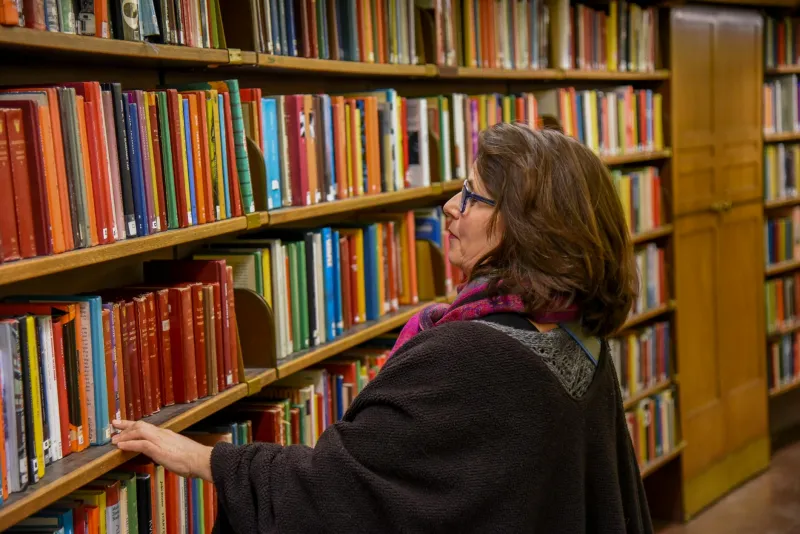
In the fluorescent-lit corridors of Manchester Royal Infirmary, something magical happens every Tuesday morning. Margaret Thompson, 67, arrives with her wheeled trolley filled not with medicines or medical equipment, but with carefully selected books. For the past three years, she's been the guardian angel of Ward 7's reading corner—a modest collection of novels, poetry, and memoirs that has become an unexpected source of healing.
"I never imagined a dog-eared copy of 'The Thursday Murder Club' could make someone cry with relief," Margaret reflects, adjusting the hand-painted sign that reads 'Take a Book, Leave a Story.' "But when you're facing uncertainty, sometimes you need to escape into someone else's world for a while."
Margaret is part of a growing movement sweeping across Britain's hospitals—volunteers who recognise that healing extends far beyond medical treatment. These literary angels are creating what they call 'kindness shelves': small libraries that offer patients, families, and even staff a momentary refuge through the power of storytelling.
More Than Just Books on Shelves
The concept might seem simple—place some books in a waiting area—but the volunteers behind these initiatives understand the profound psychology at work. Dr. Sarah Jenkins, a consultant at Leeds General Infirmary who has championed the scheme in her hospital, explains the deeper impact.
"When patients are anxious about test results or procedures, their minds can spiral into worst-case scenarios," she notes. "A compelling story provides a gentle redirect for that mental energy. We've observed patients visibly relax when they become absorbed in a book."
At Birmingham Children's Hospital, volunteer coordinator James Mitchell has witnessed this transformation countless times. His carefully curated collection includes everything from picture books for young patients to gripping thrillers for parents enduring long vigils.
"I remember one father who'd been sitting beside his daughter's bed for days," James recalls. "He picked up 'The Salt Path' and told me later that reading about someone else's journey of resilience gave him strength to continue his own. That's when I truly understood what we were doing here—we weren't just lending books, we were lending hope."
The Art of Thoughtful Curation
These hospital volunteers have become unexpected literary curators, developing an intuitive understanding of what works in medical settings. Romance novels with happy endings find their way to maternity wards, whilst gentle memoirs about overcoming adversity populate cancer treatment centres.
Linda Foster, who manages book collections across three hospitals in the West Midlands, has developed what she calls "emotional intelligence in book selection." She avoids stories with medical themes in patient areas, instead favouring uplifting tales of friendship, adventure, and personal triumph.
"You learn to read the room," Linda explains. "In the children's ward, we need bright, engaging stories that can be read in short bursts. In the oncology waiting area, people want something that acknowledges life's complexity whilst still offering light."
Her most popular donation? A collection of short stories by British authors. "Perfect for appointment waiting times," she notes with a smile. "You can finish a complete story arc whilst waiting for your name to be called."
Official Recognition and Growing Support
What began as grassroots initiatives by individual volunteers has now gained official recognition from NHS trusts across the country. Addenbrooke's Hospital in Cambridge was among the first to formally adopt the programme, installing purpose-built reading nooks complete with comfortable seating and good lighting.
"We recognised that patient experience encompasses more than clinical care," explains Helen Rodriguez, Addenbrooke's patient experience manager. "These reading spaces have become integral to our healing environment. We've had families tell us that finding the right book at the right moment was exactly what they needed."
The Royal Marsden has taken the concept further, training volunteers to make personalised book recommendations based on brief conversations with patients. It's a service that bridges the gap between clinical care and human connection.
Stories of Transformation
The impact stories are as varied as the books themselves. There's the teenager who discovered poetry whilst waiting for surgery and now writes verses about her recovery journey. The elderly gentleman who found solace in travel memoirs during his wife's lengthy treatment, planning future adventures that gave them both something to look forward to.
Perhaps most touching is the story from Bristol Royal Hospital for Children, where a young patient's mother started a book club for other parents. What began as shared reading in the family room has evolved into a support network that extends far beyond the hospital walls.
The Ripple Effect of Kindness
These volunteers often speak about the unexpected rewards of their work. Many report that their own relationship with reading has deepened through this service. They've discovered new authors, genres, and perspectives whilst seeking the perfect book for someone else's moment of need.
"I used to read quite narrowly," admits Margaret from Manchester. "But curating for others has broadened my own literary horizons. I've read books I never would have chosen for myself, and many have become firm favourites."
Building Community Through Stories
As this movement continues to grow, it's creating unexpected communities within hospital walls. Patients swap book recommendations, volunteers share stories of particularly meaningful encounters, and staff members find themselves drawn into conversations about favourite authors and life-changing reads.
The kindness shelf has become more than a collection of books—it's a reminder that healing happens not just through medical intervention, but through human connection, shared stories, and the simple act of caring for one another's wellbeing.
In hospitals across Britain, these literary sanctuaries continue to multiply, one donated book and one caring volunteer at a time. They stand as testament to the enduring power of stories to comfort, inspire, and heal—proving that sometimes the most profound medicine comes not in bottles or syringes, but in the turning of pages and the sharing of hope.