In Defence of Drizzle
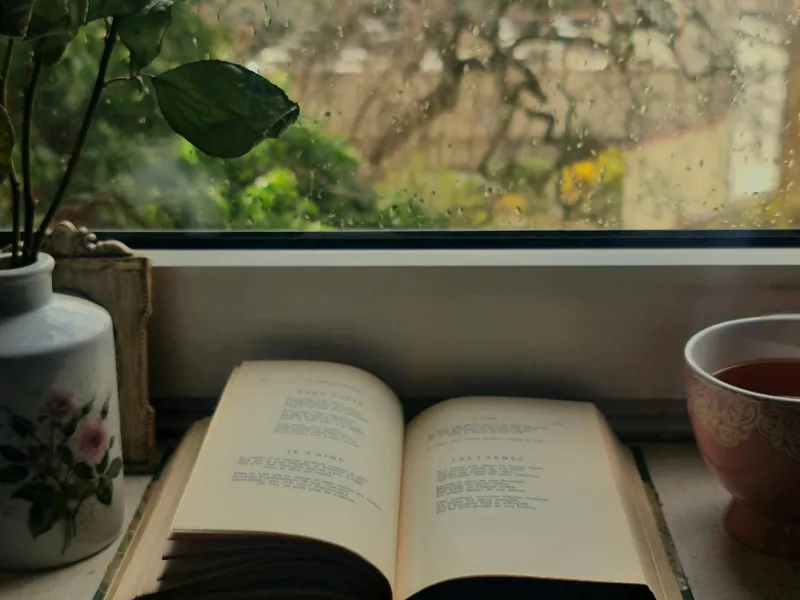
There's a particular kind of joy that only British book lovers truly understand: the moment when the first fat raindrops splatter against the window, providing the perfect excuse to abandon all outdoor obligations and settle in with a novel and a steaming mug of tea. While the rest of the world might view our notoriously unpredictable weather as a cosmic joke, we've quietly transformed it into our greatest literary asset.
Consider this: Britain punches well above its weight in both book consumption and literary production. We read more books per capita than most other nations, we've produced some of the world's most beloved authors, and our literary festivals draw visitors from across the globe. Coincidence? Hardly. Our weather hasn't hindered our relationship with books—it's been the making of it.
The Art of Atmospheric Reading
There's something magical about the British approach to weather-watching. We don't simply endure our climate; we've developed an almost artistic appreciation for its moods. A gentle drizzle calls for cosy crime novels. A proper downpour demands something substantial—perhaps a chunky historical saga that will see you through until the clouds clear. And those gloriously grey November afternoons? Perfect for diving into the kind of atmospheric literary fiction that matches the pewter sky outside.
"I genuinely look forward to proper rain," admits Sarah from Manchester, settling deeper into her reading chair as another shower begins. "There's no guilt about staying indoors when the weather's made the decision for you. It's like having a permission slip from Mother Nature herself to spend the entire afternoon lost in a good book."
This weather-induced reading culture has shaped our national character in the most wonderful ways. We're a nation of people who can find genuine contentment in being confined indoors, who see a cancelled picnic not as a disappointment but as an unexpected gift of reading time.
The Science of Stormy Day Bliss
Psychologists have long recognised the phenomenon of "cosy catastrophe"—the peculiar comfort humans find in being safely sheltered while dramatic weather unfolds outside. For British readers, this feeling is practically a national pastime. The sound of rain against windows, the dramatic darkening of afternoon skies, the necessity of drawing curtains and switching on lamps—all of these create the perfect atmosphere for deep, immersive reading.
"There's something about stormy weather that makes you want to burrow into stories," explains Dr. Emma Richardson, who studies reading habits and wellbeing. "The external drama creates an internal sense of sanctuary. Your living room becomes a refuge, your book becomes a portal, and suddenly terrible weather has created the most perfect reading conditions imaginable."
A Literary Forecast
British readers have developed an instinctive understanding of which books suit which weather conditions. It's a sophisticated cultural knowledge passed down through generations of people who've learned to make the best of whatever the skies might throw at them.
The British Reader's Weather Guide:
Light drizzle: Perfect for gentle romance novels or humorous memoirs. The soft patter creates ideal background ambiance for lighter reads that warm the heart without demanding intense concentration.
Heavy downpour: Time for the big books—those doorstop novels you've been saving, epic fantasy series, or comprehensive biographies. When you're properly rained in, why not tackle something substantial?
Dramatic thunderstorms: Gothic novels, psychological thrillers, or anything with a properly atmospheric setting. Let the weather outside match the mood on the page.
Persistent grey drizzle: Literary fiction, poetry collections, or thoughtful non-fiction. These overcast conditions create perfect contemplative reading weather.
Surprise snow: Children's classics, comfort reads, or anything that captures the magic of unexpected transformation. Snow days are for rediscovering old favourites.
Fog and mist: Mystery novels, historical fiction set in atmospheric locations, or anything that benefits from a sense of mystery and concealment.
The Cultural Advantage
While Mediterranean countries boast of their sunshine and outdoor café culture, Britain has quietly developed something equally valuable: a culture where intellectual pursuits are never seen as second-best to outdoor activities. Our weather has taught us that the best entertainment often happens indoors, with a book, in a comfortable chair, while the elements rage harmlessly outside.
"I genuinely feel sorry for people who live in places with constant sunshine," laughs Tom from Edinburgh, watching the rain streak down his window. "When do they get proper reading weather? When do they experience the pure joy of being forced to slow down and just... read?"
This attitude has created a nation of people who don't just tolerate rainy days—we actively celebrate them. British social media lights up with photos of books, tea cups, and rain-streaked windows whenever a good storm rolls in. We've turned what other cultures might see as miserable weather into a cause for genuine celebration.
The Great Indoor Migration
Our weather patterns have created fascinating seasonal reading rhythms. As autumn arrives and the days grow shorter, British bookshops report their busiest periods. We stock up on reading material like squirrels gathering nuts, preparing for the long, lovely months when outdoor pursuits give way to the serious business of working through our to-be-read piles.
"September is like Christmas for us," explains Janet, who runs an independent bookshop in the Cotswolds. "People come in with this excited energy, buying stacks of books for the darker months ahead. They're not sad about summer ending—they're genuinely thrilled about reading season beginning."
The Hygge of Horrible Weather
Long before the Danish concept of hygge became fashionable, British readers had mastered the art of finding joy in simple, cosy pleasures. Our terrible weather taught us to create warm, welcoming indoor spaces and to find genuine contentment in quiet activities. We learned to light candles not for romance but for reading, to make tea not just for warmth but as the perfect reading companion.
"There's something deeply satisfying about being inside with a good book while it's absolutely miserable outside," reflects Mary from the Lake District, where dramatic weather is practically a way of life. "It makes you feel clever for staying in, grateful for your warm home, and completely justified in spending hours doing nothing but reading."
 Photo: Lake District, via image.shutterstock.com
Weather as Literary Inspiration
Our climate hasn't just made us better readers—it's made us better writers too. British literature is rich with atmospheric descriptions, moody landscapes, and characters who find significance in weather patterns. From the Yorkshire moors of Wuthering Heights to the London fog of Sherlock Holmes, our unpredictable weather has provided endless inspiration for our storytellers.
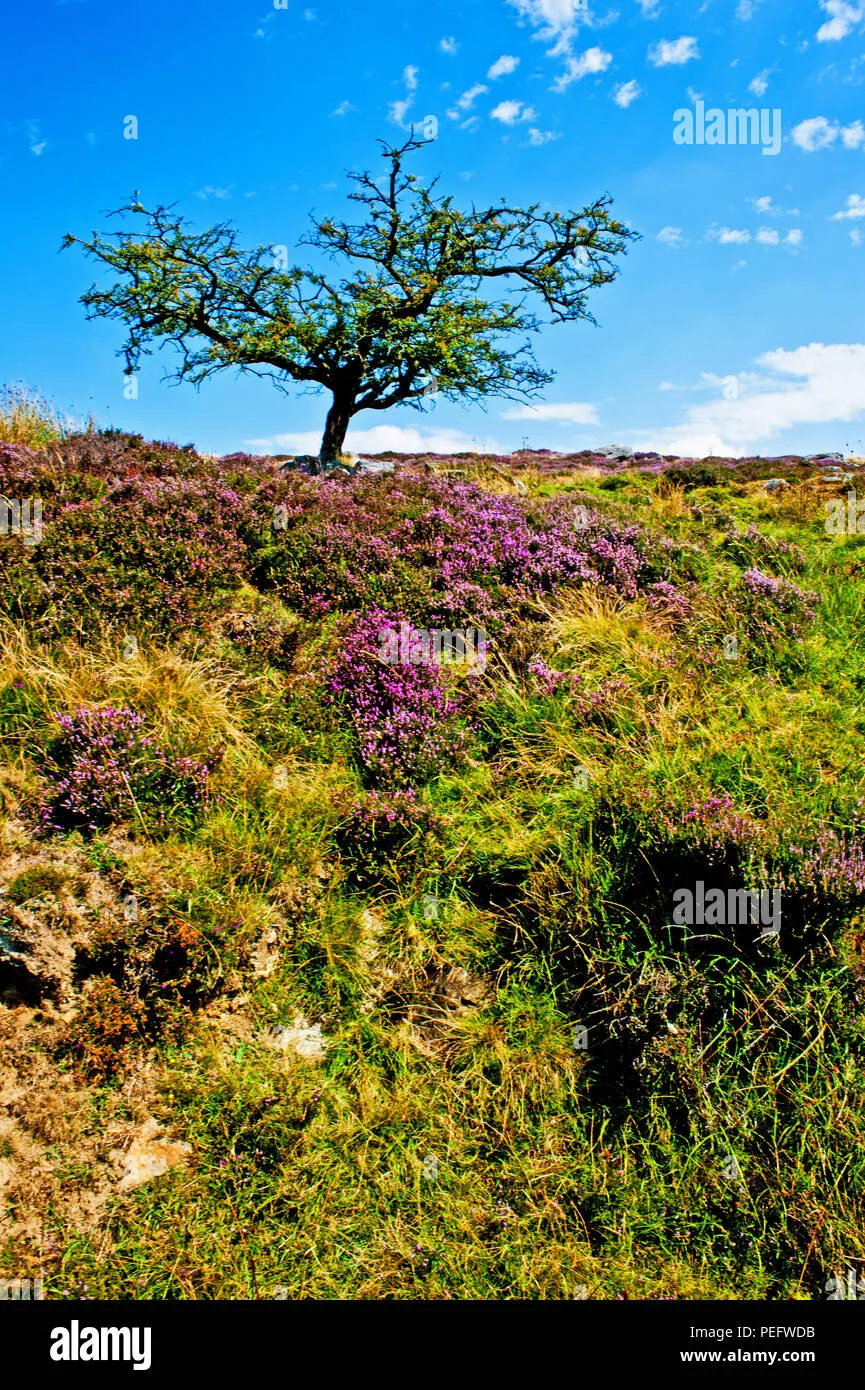 Photo: Yorkshire moors, via c8.alamy.com
Perhaps this is why British books travel so well around the world. We've learned to find drama and beauty in ordinary weather, to see metaphor in meteorology, and to understand that sometimes the most interesting stories happen when characters are forced indoors together.
A Nation of Weather Watchers
The British obsession with weather forecasts isn't just small talk—it's strategic planning for optimal reading conditions. We check the Met Office app not to plan outdoor activities but to anticipate the perfect storm for settling in with that novel we've been saving. A weekend of rain isn't a disappointment; it's a gift.
"I actually get excited when they forecast a proper wet weekend," admits Rachel from Bristol. "It means I can plan my reading, stock up on biscuits, and have a completely guilt-free couple of days just working through my book pile. It's like having a reading retreat delivered by the weather."
The Beautiful Truth
Perhaps the most wonderful thing about Britain's weather-reading relationship is how it's taught us that happiness doesn't depend on external conditions. We've learned to find joy regardless of what's happening outside our windows. Rain or shine, snow or sleet, we've always got a book and a warm drink and the ability to create our own perfect little world.
Our dreadful weather hasn't made us miserable—it's made us resourceful, content, and deeply appreciative of simple pleasures. While other nations wait for perfect conditions to be happy, we've discovered that the perfect conditions for contentment are actually a comfortable chair, a good book, and the sound of rain against the window.
So here's to British weather in all its unpredictable, inconvenient, absolutely perfect glory. It may not be reliable, but it's given us something far more valuable than guaranteed sunshine: a nation of people who know how to find genuine bliss in the simple act of reading while the storm rages outside.