When Creativity Comes on a Lead
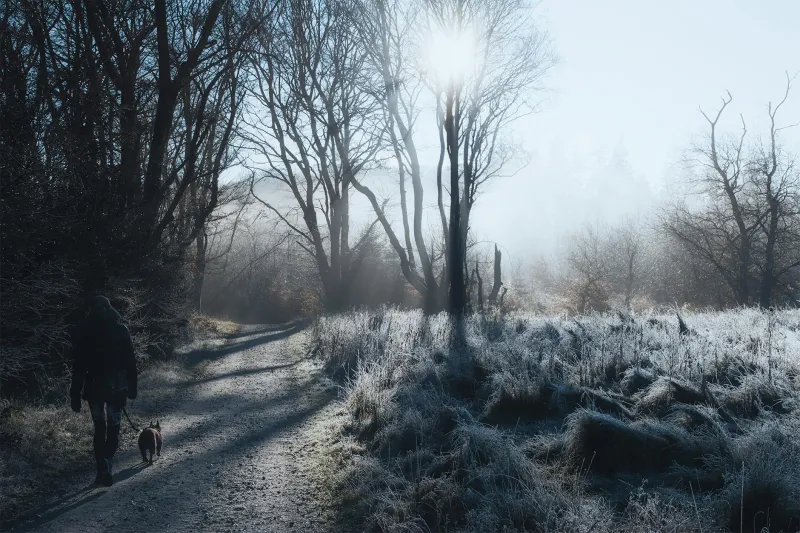
Sarah Matthews never expected her rescue collie, Bramble, to become her most trusted writing partner. Yet every morning at half-past six, as they wind through the ancient footpaths of the Cotswolds, something magical happens. "Bramble will suddenly veer off towards a gate I've never noticed, or stop dead at a particular tree," explains the novelist from Chipping Campden. "Those moments of curiosity have led me to some of my most vivid scenes."
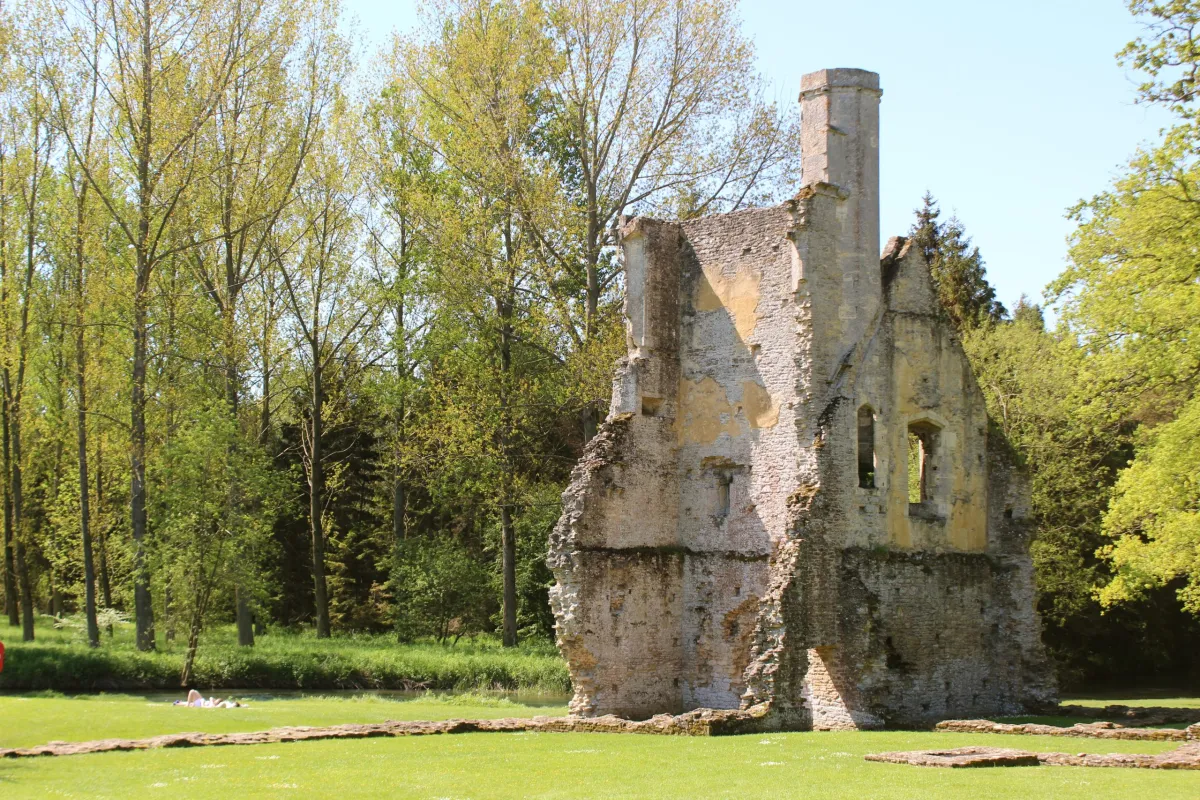 Photo: the Cotswolds, via anglotopia.net
Sarah isn't alone. Across Britain, a growing community of writers is discovering that their daily dog walks are becoming the unexpected catalyst for their most compelling work. From the clifftops of Cornwall to the rolling hills of the Scottish Borders, these literary dog-walkers are finding that creativity flows most freely when they're not chasing it—but simply following wherever their four-legged muses decide to roam.
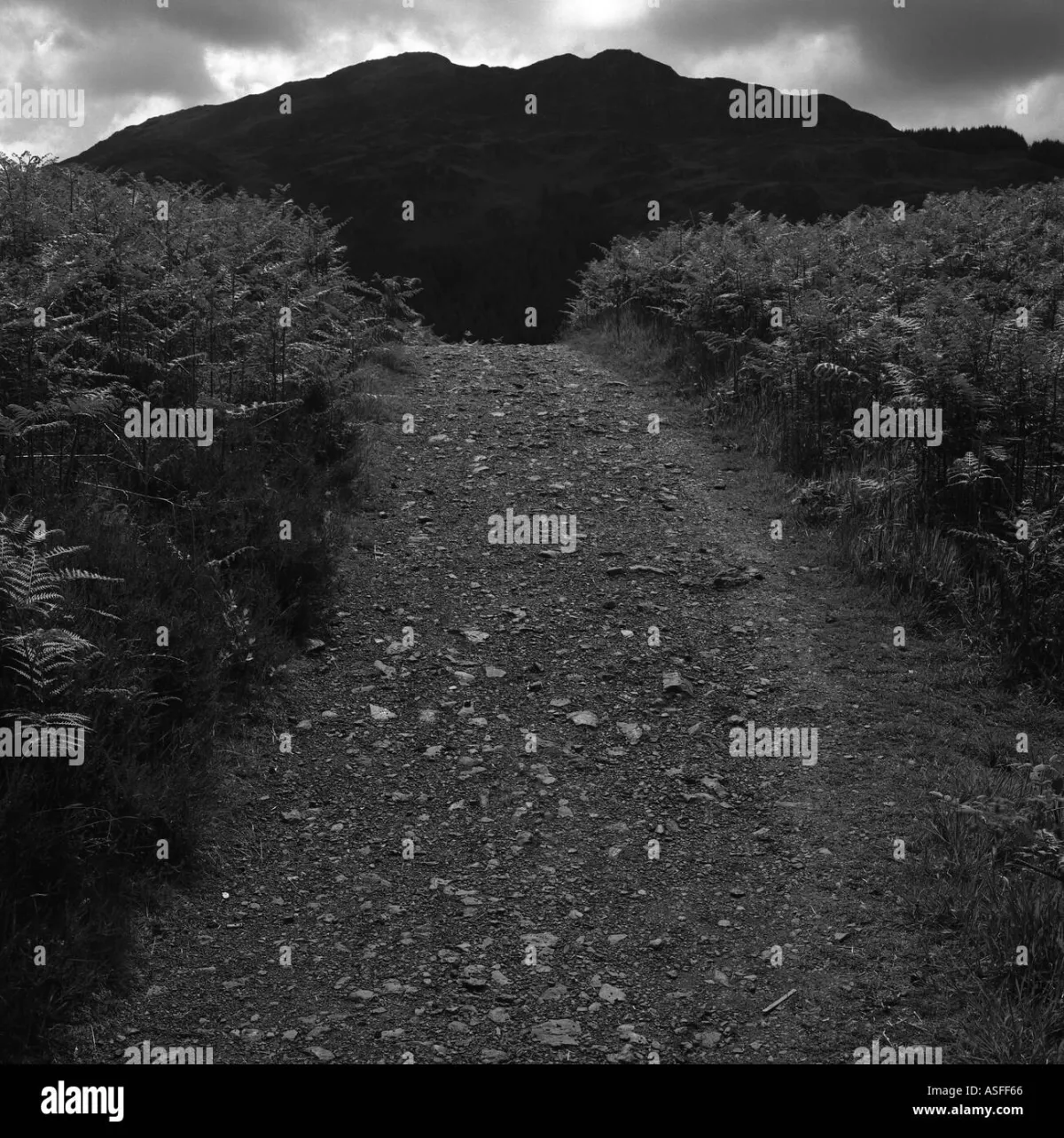 Photo: Scottish Borders, via c8.alamy.com
The Rhythm of Discovery
There's something uniquely British about this phenomenon. Perhaps it's our deep-rooted love of countryside rambles, or our national obsession with both dogs and storytelling. Whatever the reason, writers across the UK are reporting that their best ideas arrive not during scheduled writing sessions, but during those unplanned moments when their dogs insist on investigating something fascinating.
"Dogs experience the world so differently," reflects Tom Henderson, a short story writer from Edinburgh whose springer spaniel, Munro, has inadvertently inspired three published collections. "They notice scents, sounds, and details that we completely miss. Following Munro's nose has led me down lanes I'd walked past for years without really seeing."
This canine-led creativity isn't just about discovering new locations—it's about embracing a different pace of observation. While humans tend to walk with purpose and destination in mind, dogs meander with pure curiosity. They investigate, pause, double back, and explore with an enthusiasm that many writers find infectious.
Stories Born from Sniff-Stops
The evidence is compelling. Rebecca Walsh, whose golden retriever Honey has become something of a legend among the writing community in Bath, credits her canine companion with inspiring her award-winning children's series. "Honey has this habit of sitting down in the most random places—right in the middle of a muddy field, or outside a particular cottage. At first, I'd try to hurry her along, but then I started really looking at these places she chose."
Those chosen spots became the settings for Rebecca's magical realism stories about a village where extraordinary things happen in the most ordinary locations. "Every book in the series started with a place Honey insisted we stop," she laughs. "She's got better instincts for storytelling than most editors."
The Unpredictability Factor
What makes dog-walking such fertile ground for creativity is its beautiful unpredictability. Unlike structured writing exercises or forced brainstorming sessions, these walks offer writers the gift of genuine surprise. Dogs don't follow human logic—they chase interesting smells, befriend unexpected fellow walkers, and discover hidden corners of familiar routes.
"My lurcher, Pip, once squeezed through a gap in a hedge I'd never noticed," recalls nature writer James Morrison from the Lake District. "We ended up in this secret meadow that felt like something from a fairy tale. That five-minute detour became the heart of my latest book about hidden landscapes."
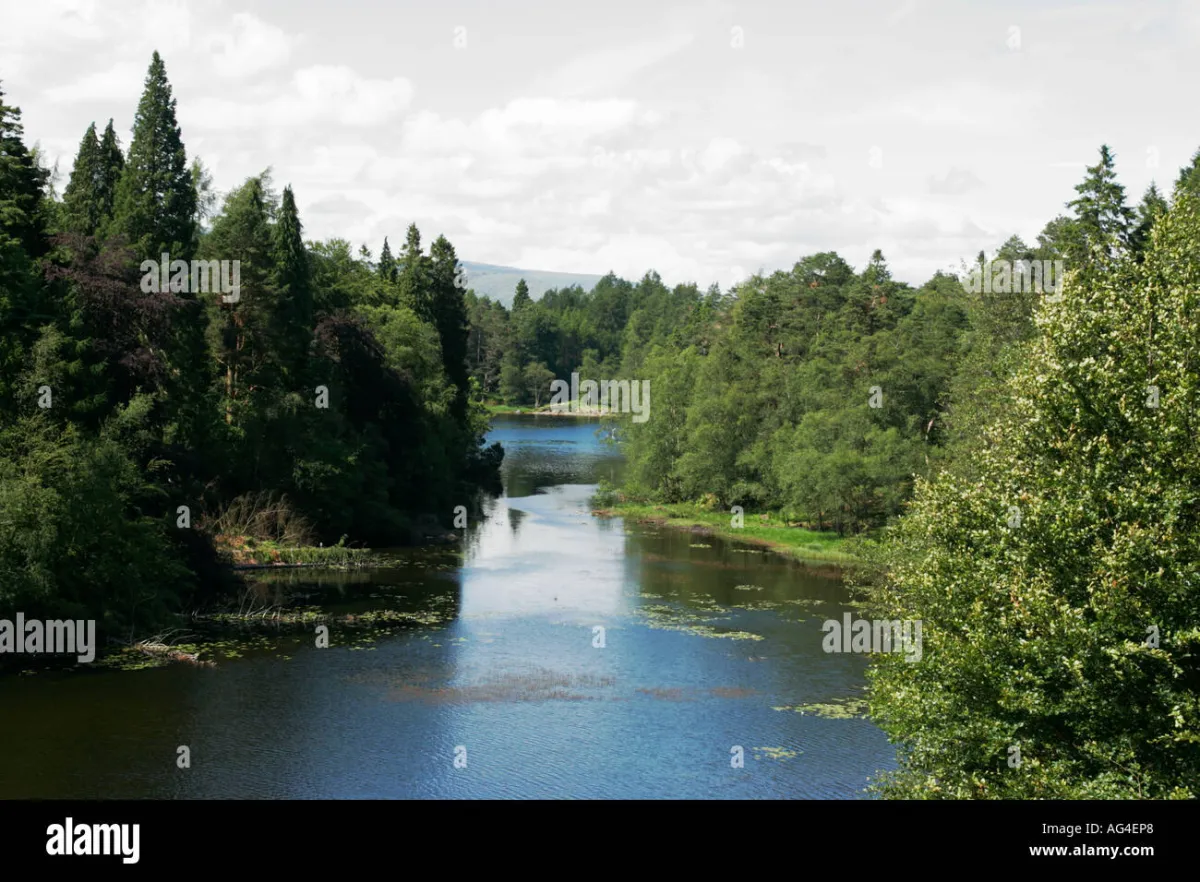 Photo: Lake District, via c8.alamy.com
Community on Four Legs
This movement has naturally evolved into informal networks of writers who share routes, swap stories, and celebrate each other's canine-inspired breakthroughs. Social media groups like "Writers Who Walk" and "Paws for Prose" have become vibrant communities where members share photos of the spots where their dogs led them to literary gold.
"There's something wonderfully democratic about it," observes literary blogger Emma Chen, whose rescue terrier mix has become an Instagram sensation among the writing community. "Whether you're an established author or someone who's never written a word, your dog doesn't care. They're just as likely to lead you somewhere magical."
The Science of Serendipity
Psychologists suggest there's solid reasoning behind this phenomenon. The combination of gentle physical exercise, fresh air, and the mental shift required to follow a dog's lead creates ideal conditions for what researchers call "diffuse attention"—the relaxed mental state where creative insights often emerge.
"When we're walking behind our dogs, we're not trying to control the experience," explains Dr. Sophie Hartwell, who studies creativity and wellbeing. "We're in a state of alert relaxation, open to whatever might happen next. That's precisely when the brain makes those unexpected connections that lead to creative breakthroughs."
Beyond the Page
The benefits extend far beyond writing itself. Many participants speak of the profound sense of wellbeing that comes from this practice. The daily ritual of following their dogs' lead has taught them to be more present, more observant, and more open to life's small wonders.
"Before I started really paying attention to where Rosie wanted to go, I was quite a rigid person," admits mystery writer David Park from Newcastle. "Now I find myself more flexible in my writing, more willing to let characters surprise me the way Rosie surprises me every day."
A Very British Love Affair
Perhaps what makes this movement feel so quintessentially British is how it celebrates two of our greatest national passions: our love affair with dogs and our deep appreciation for the understated magic of everyday landscapes. These writers aren't seeking dramatic mountain peaks or exotic locations—they're finding profound inspiration in muddy fields, village greens, and suburban parks.
"There's something beautifully modest about it," reflects Sarah Matthews, watching Bramble investigate yet another fascinating hedge. "We're not trying to be grand or dramatic. We're just following our dogs around the British countryside and somehow finding everything we need for the most wonderful stories."
In a world increasingly dominated by screens and schedules, these writers and their canine companions are rediscovering the simple joy of wandering without destination, of being led rather than leading, and of finding that sometimes the best stories are the ones we stumble upon when we're not looking for them at all.