There's something magical about a kitchen at 3am. The world outside sleeps whilst inside, flour dusts the worktop like snow, and the gentle hum of the oven creates a cocoon of warmth and possibility. Across Britain, a remarkable community of night bakers has discovered that their most profound stories emerge not at a desk, but beside a proving basket.
The Alchemy of Midnight Creation
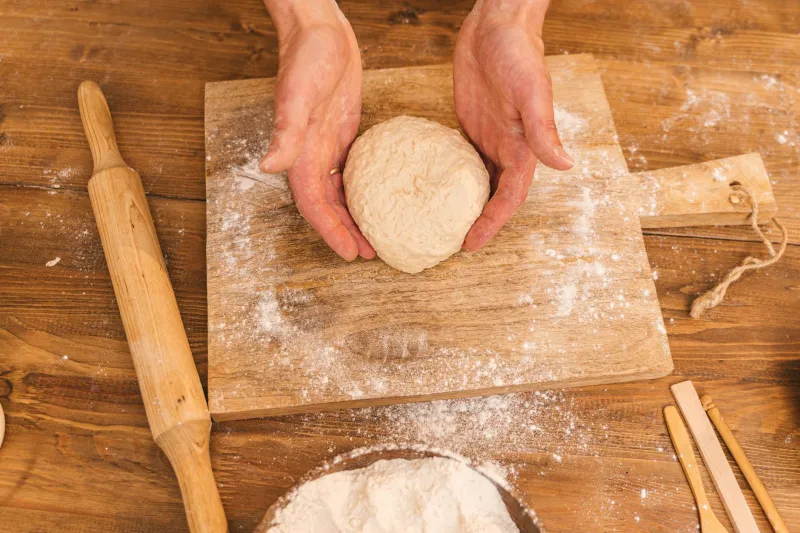
Sarah Henderson from Hebden Bridge never set out to become a storyteller. A primary school teacher by day, she began baking sourdough during lockdown as a way to fill the restless hours. "I'd wake at 2am with my mind racing," she explains, kneading a particularly stubborn piece of rye dough. "Rather than lie there worrying, I'd come downstairs and start baking. Somewhere between the first fold and the final proof, stories started flowing."
 Photo of Hebden Bridge, via Wikidata/Wikimedia Commons
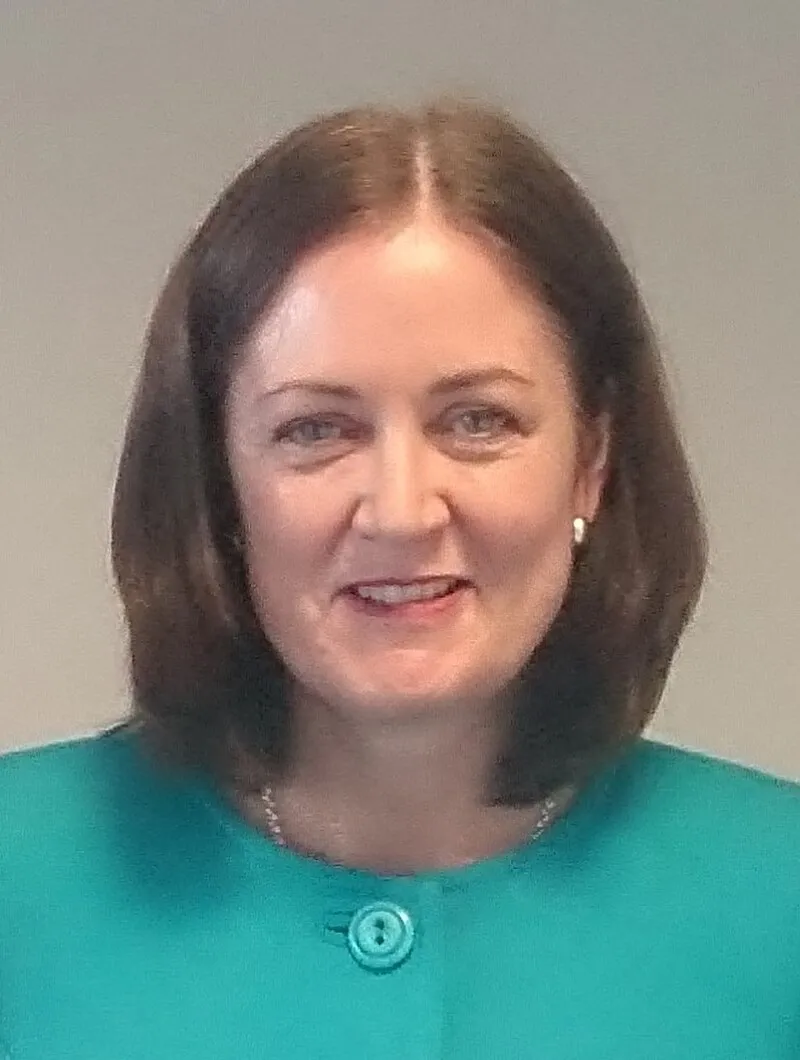 Photo of Sarah Henderson, via Wikidata/Wikimedia Commons
What Sarah discovered mirrors the experience of countless others: the repetitive, meditative nature of bread-making creates the perfect conditions for narrative to flourish. The rhythm of kneading, the patience required for proving, the gentle vigilance of watching dough transform—all of this seems to unlock a different kind of consciousness, one where imagination rises as reliably as yeast.
From Kitchen Counter to Kindle
In Glasgow, retired engineer Malcolm Pritchard has turned his midnight baking sessions into a thriving food blog that weaves technical precision with deeply personal storytelling. His latest post, "The Bannock That Built Bridges," tells the story of his Scottish grandmother's recipe whilst exploring themes of heritage, loss, and renewal.
"Each recipe carries a story," Malcolm reflects, sliding a tray of morning rolls into his ancient Aga. "When I'm measuring flour at midnight, I'm not just following instructions—I'm connecting with generations of bakers who stood in their own kitchens, hands deep in dough, minds full of dreams."
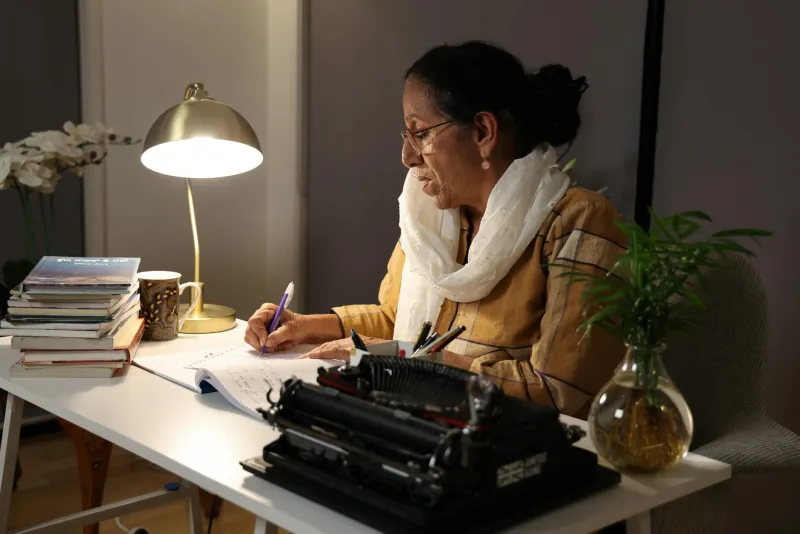
The phenomenon isn't limited to traditional storytelling. Dr. Emma Watts, a consultant psychiatrist from Bath, has discovered that dictating observations about her baking process into her phone has become a form of therapeutic journaling. "There's something about speaking into the quiet kitchen that feels different from writing," she notes. "The stories that emerge are rawer, more honest. It's as if the darkness gives permission to be vulnerable."
The Science of Midnight Musing
There's genuine science behind why these nocturnal baking sessions prove so fertile for creativity. The late hours naturally lower our psychological defences, whilst the physical act of baking engages what psychologists call 'bilateral stimulation'—the use of both sides of the body in rhythmic, repetitive movements that can unlock creative and emotional processing.
Professor Linda Hutchinson from the University of Edinburgh's psychology department explains: "When we're kneading dough, we're engaging in what's essentially a moving meditation. The bilateral movement, combined with the sensory richness of baking—the textures, smells, temperatures—creates ideal conditions for what we call 'diffuse attention,' where the mind makes unexpected connections."
Community Rising
What started as solitary midnight rituals has begun to evolve into something more communal. In Totnes, Devon, a group called 'Dough & Tell' meets monthly at 5am in the community centre kitchen. Members bring partially prepared dough and stories in equal measure, sharing both as the sun rises over the South Hams.
"We've got a retired librarian who writes flash fiction inspired by different flour types, a young father who creates bedtime stories whilst making his children's breakfast bread, and a grief counsellor who processes her clients' journeys through the metaphor of fermentation," explains organiser Rachel Green, her hands never pausing in their gentle shaping of croissants.
The group has even begun publishing an annual anthology, 'Rising Stories,' with all proceeds going to local food banks—a beautiful circle of nourishment that feeds both creativity and community.
The Therapeutic Knead
For many, these midnight kitchen sessions offer something that traditional writing spaces cannot: a productive purpose that justifies the creative indulgence. "I could never just sit down to write at 3am," admits James Morrison from Inverness, whose Instagram account @midnight_baker_tales has garnered thousands of followers. "It would feel self-indulgent. But baking? That's practical. The stories are just a lovely bonus."
This practical creativity seems particularly British in its approach—finding art in utility, beauty in necessity. It's the same spirit that created poetry in wartime gardens and found music in factory rhythms.
Rising to the Occasion
As dawn breaks over Britain's kitchens, a new generation of stories is cooling on windowsills alongside fresh loaves. These midnight bakers have discovered something profound: that creativity doesn't always announce itself with fanfare. Sometimes it whispers in the quiet hours, speaks through flour-dusted fingers, and rises as gently and inevitably as well-tended dough.
In a world that often feels rushed and disconnected, these nocturnal storytellers remind us that the most nourishing tales—like the best bread—cannot be hurried. They require patience, care, and trust in the mysterious process of transformation that turns simple ingredients into something that feeds the soul.
Perhaps that's the real magic of Britain's midnight bakers: they've learned that in giving time to rise, stories—like dough—become something far greater than the sum of their parts.