The Antidote to Our Speed-Obsessed World
In a world where we're expected to consume everything at breakneck pace—from news to Netflix series—a quiet movement is spreading across Britain like ripples on a pond. From the cobbled streets of Edinburgh to the vibrant quarters of Manchester, book lovers are gathering to do something revolutionary: read slowly.
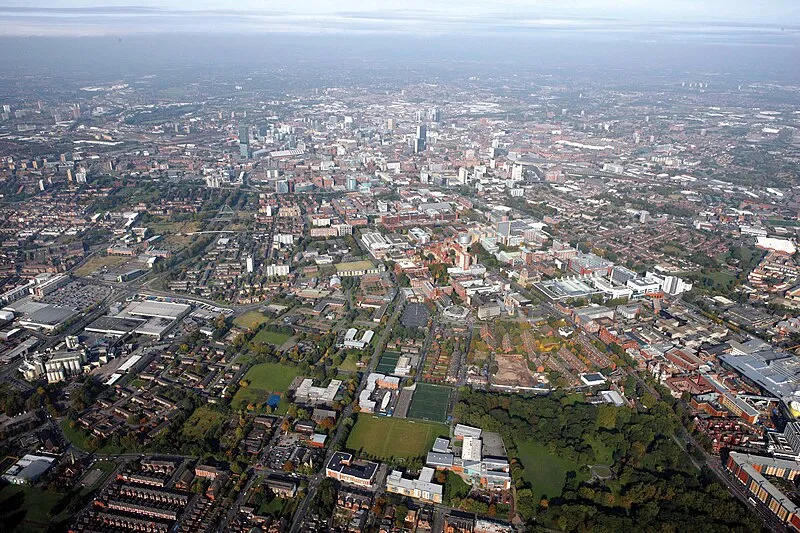 Photo of Manchester, via Wikidata/Wikimedia Commons
 Photo of Edinburgh, via Wikidata/Wikimedia Commons
These aren't your typical book clubs where members race through monthly selections, armed with wine and strong opinions. Instead, slow reading groups are creating sacred spaces where literature becomes meditation, where every sentence is savoured like a fine cup of tea.
"We might spend an entire evening on just two pages," explains Sarah Mitchell, who founded Bristol's 'Between the Lines' group three years ago. "It sounds mad to some people, but when you really slow down and let the words wash over you, reading becomes something completely different—almost therapeutic."
More Than Just Reading: A Practice in Presence
The philosophy behind slow reading extends far beyond literary appreciation. In our hyperconnected age, where notifications ping every few seconds and multitasking has become the norm, these groups offer something increasingly rare: permission to focus on just one thing.
Dr. Emma Richardson, a mindfulness researcher at the University of Leeds, has been studying the phenomenon. "What we're seeing is essentially mindfulness practice disguised as a book club," she notes. "When people engage deeply with text—really absorbing the rhythm of language, the weight of words—they enter a meditative state that can significantly reduce anxiety and stress."
Members often describe the experience as transformative. James Cooper, a 34-year-old teacher from Edinburgh who joined his local slow reading circle after struggling with work-related burnout, puts it beautifully: "For the first time in years, my mind stops racing. There's just me, the words, and this incredible sense of calm."
The Rituals That Make the Magic
Each slow reading group develops its own gentle rituals, but common threads weave through them all. Many begin sessions with a few minutes of silence, allowing members to transition from the outside world into their literary sanctuary.
In Manchester's 'Pause & Page' group, founder Lisa Thompson lights a candle at the start of each gathering. "It signals that we're entering sacred time," she explains. "We're not here to tick boxes or meet deadlines. We're here to let stories unfold naturally."
The groups typically select books with rich, layered prose—think Ali Smith, Kazuo Ishiguro, or Virginia Woolf—texts that reward careful attention. Members take turns reading aloud, with frequent pauses for reflection and gentle discussion.
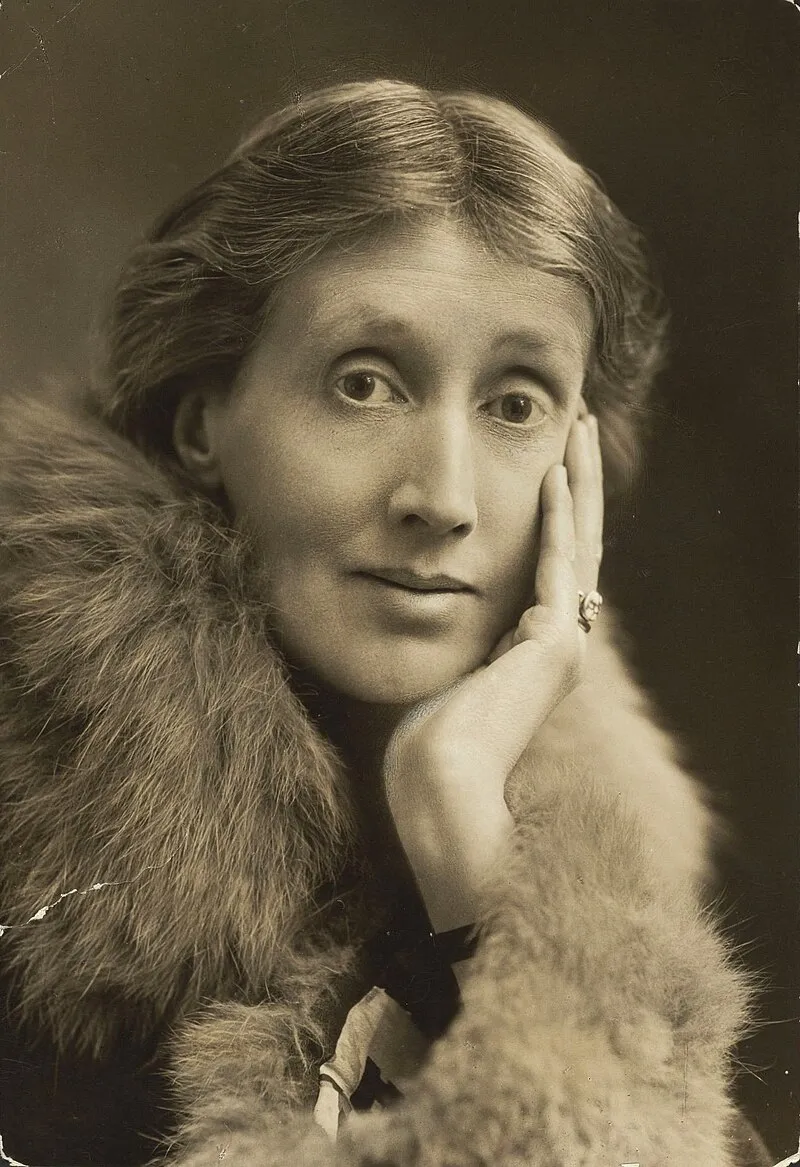 Photo of Virginia Woolf, via Wikidata/Wikimedia Commons
"Sometimes we'll stop mid-sentence because someone's had a revelation about a particular phrase," shares Margaret Davies, a retired librarian who attends a Cardiff-based group. "It's beautiful how much depth emerges when you're not rushing towards the ending."
Building Community, One Page at a Time
Beyond the individual benefits, slow reading clubs are fostering genuine human connection in an increasingly digital world. The shared vulnerability of sitting together, processing literature at a snail's pace, creates bonds that extend far beyond the books themselves.
"We've become like family," says Tom Bradley, member of a Newcastle group that's been meeting for two years. "There's something about experiencing stories together so intimately that breaks down barriers. We've supported each other through job losses, relationship changes, family illnesses—the book becomes a vehicle for much deeper connection."
The diversity within these groups is remarkable. Teachers sit alongside retirees, students beside business executives, all united by a desire to slow down and savour. Age, background, and reading experience become irrelevant when everyone's moving at the same contemplative pace.
Starting Your Own Literary Revolution
Inspired to begin your own slow reading journey? The beauty lies in its simplicity. You don't need special qualifications or expensive equipment—just a willingness to resist our culture's obsession with speed.
Start small: choose a book with rich, descriptive language and commit to reading just one page per day, really absorbing every word. Notice how the experience differs from your usual reading habits.
For those ready to create a group, local libraries often provide free meeting spaces and can help connect you with like-minded readers. Community centres, independent bookshops, and even cosy cafés make wonderful venues for literary lingering.
"The hardest part is giving yourself permission to slow down," reflects Sarah from Bristol. "We've been conditioned to think that faster equals better, but with reading—with life, really—sometimes the opposite is true."
The Ripple Effect of Slowing Down
What's particularly beautiful about the slow reading movement is how its effects extend beyond the books themselves. Members report sleeping better, feeling less anxious, and approaching daily tasks with greater mindfulness.
"It's changed how I experience everything," shares Emma, a London-based marketing executive who started attending slow reading sessions during the pandemic. "I find myself actually tasting my food, really listening to conversations, noticing details I used to miss. It's like the world has become more vivid."
As Britain grapples with rising stress levels and digital overwhelm, perhaps the answer isn't found in the latest wellness trend or meditation app. Maybe it's been sitting quietly on our bookshelves all along, waiting for us to slow down enough to notice.
In a world that demands we read faster, consume more, and constantly stay ahead, slow reading clubs offer a gentle rebellion—a reminder that some of life's greatest pleasures can only be found when we dare to linger between the lines.